
Last updated November 14, 2026
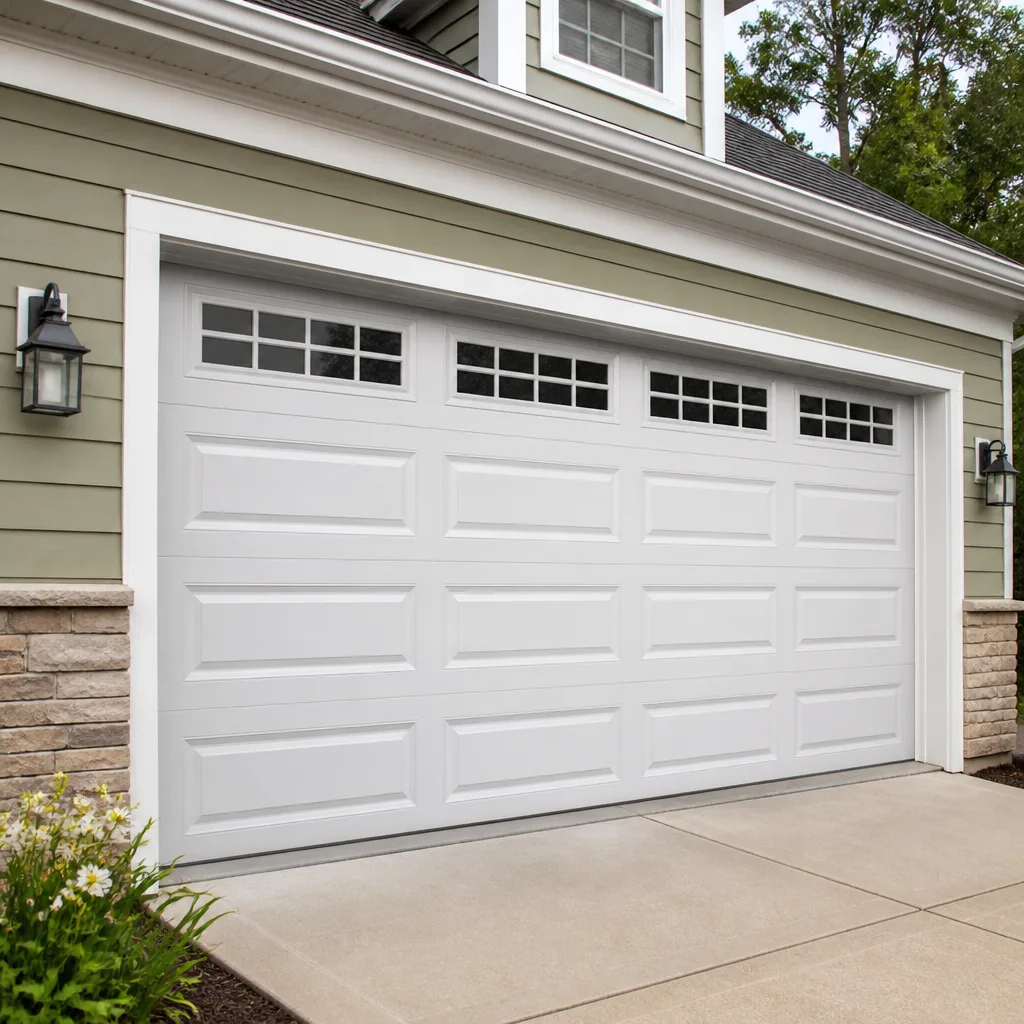 Raised-panel steel
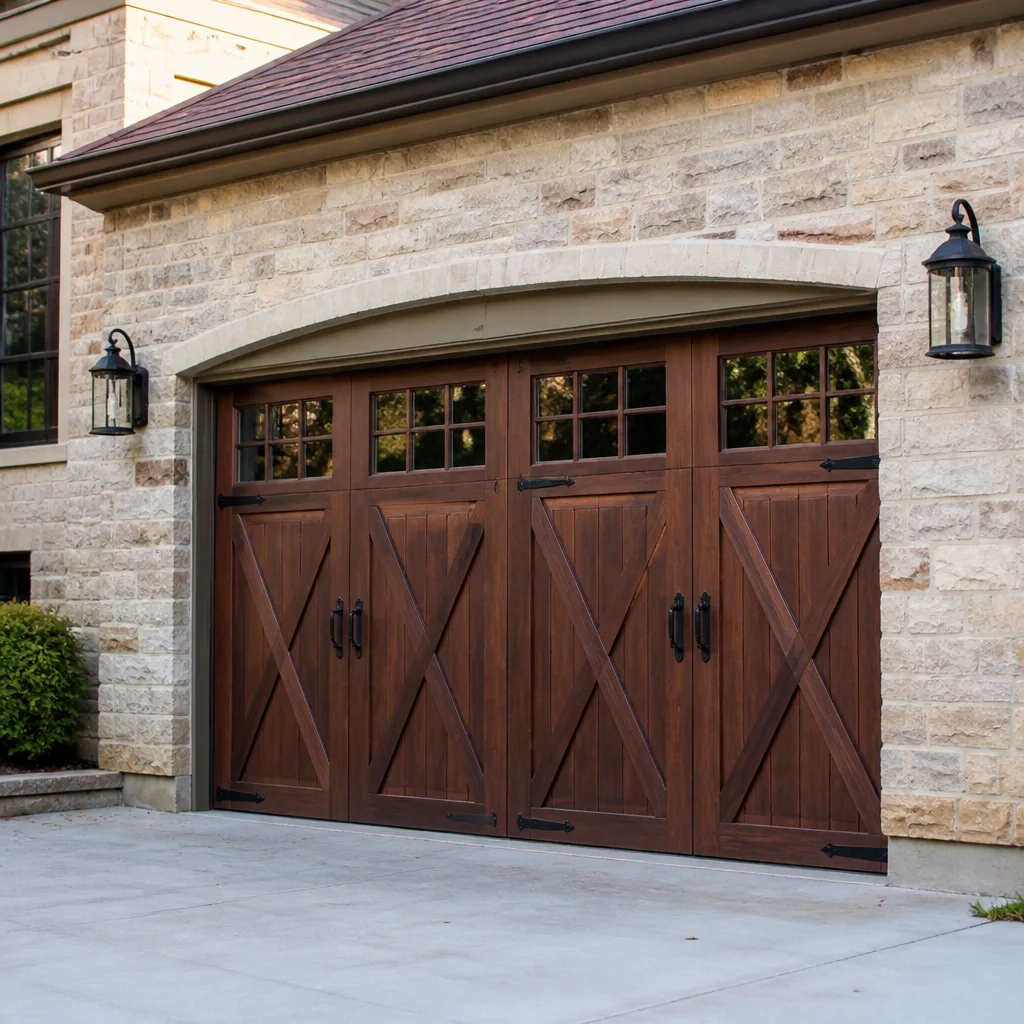 Carriage house
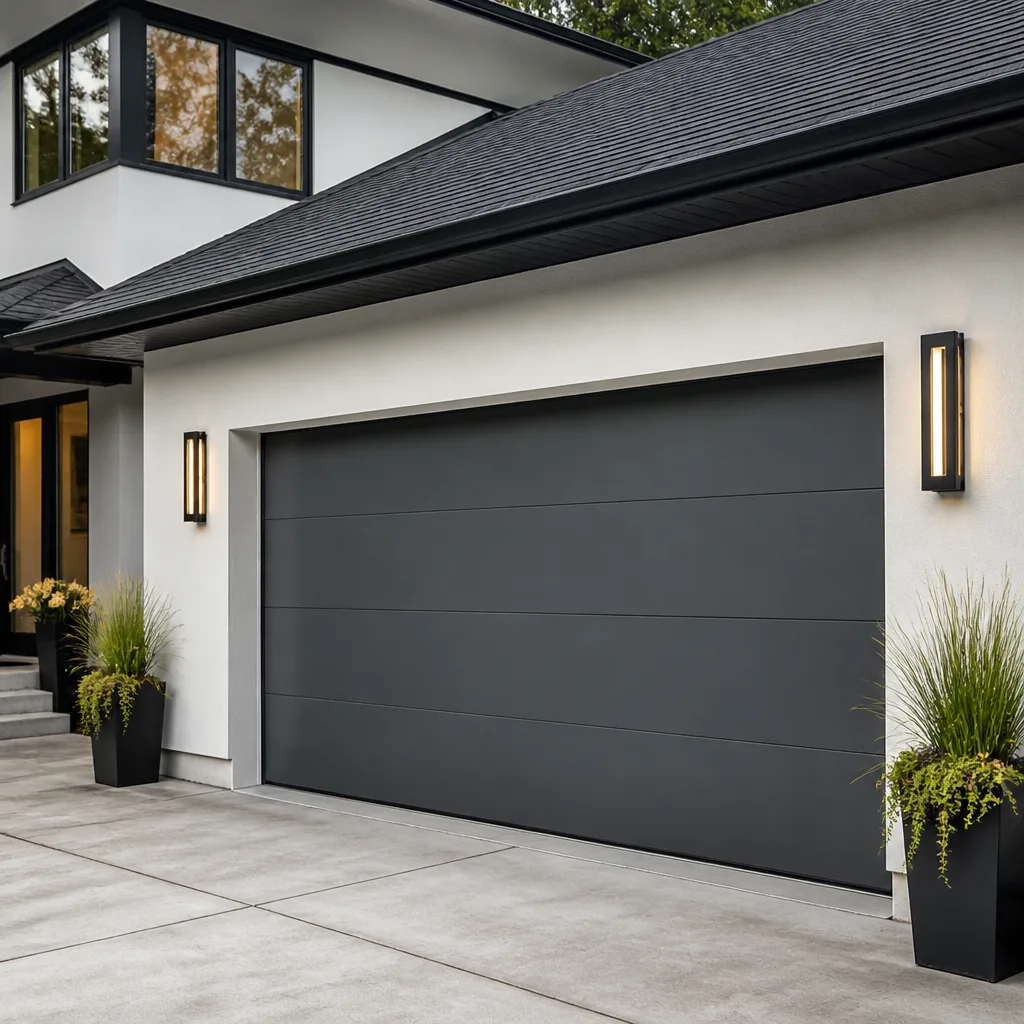 Modern flush
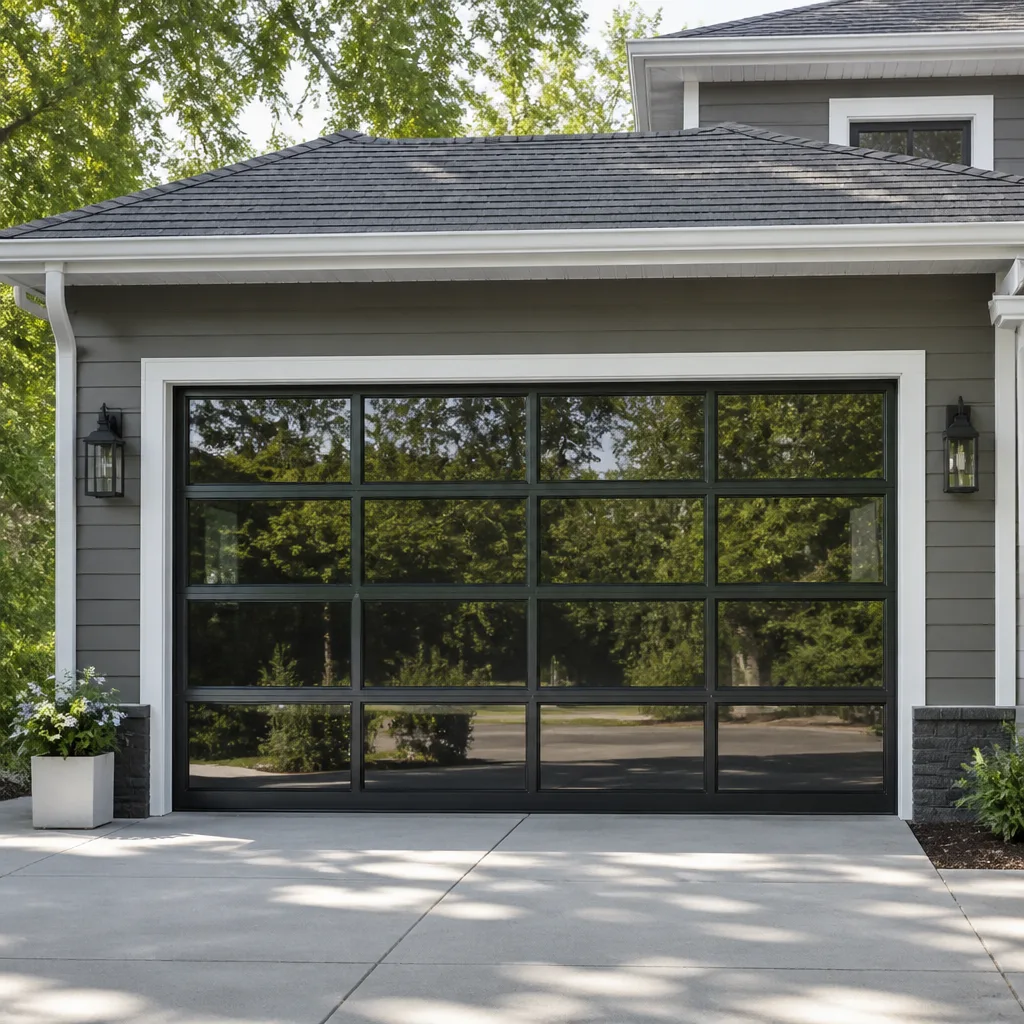 Full-view glass
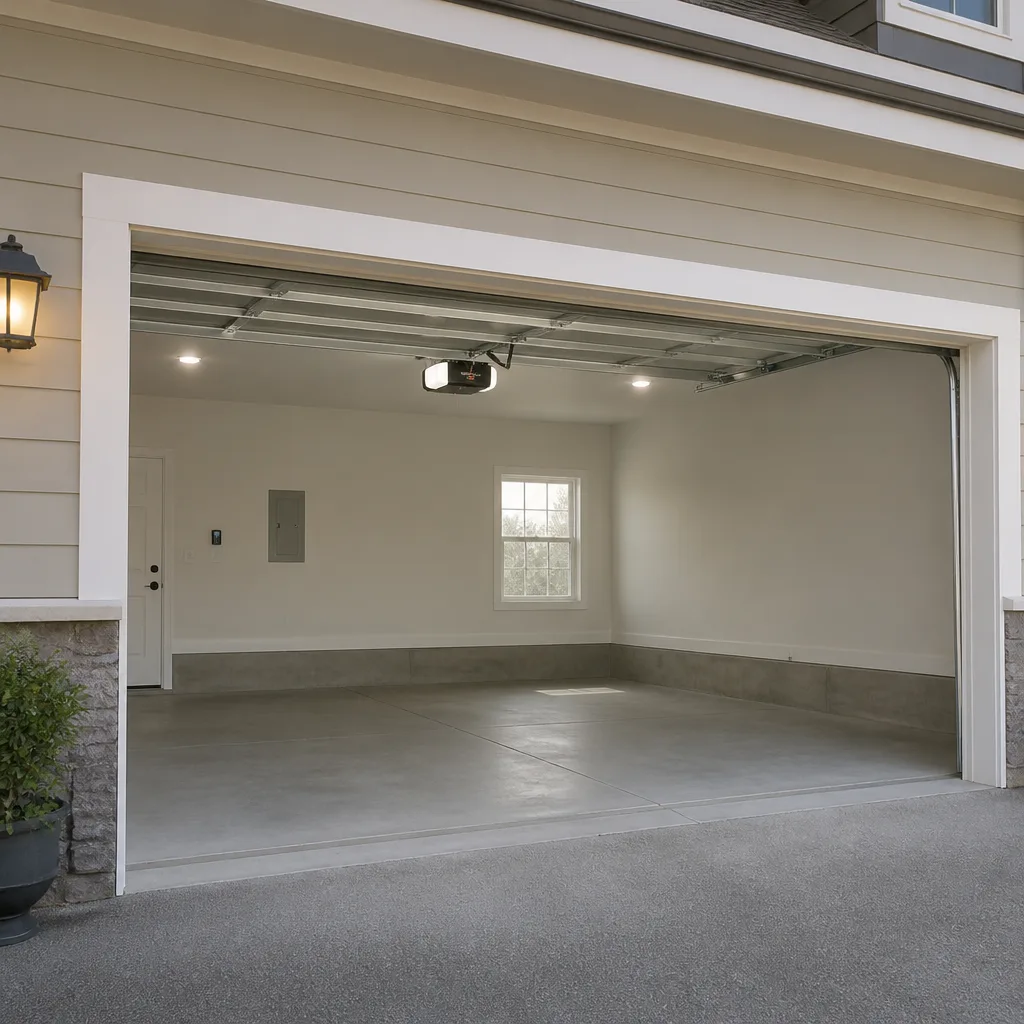 LiftMaster openers
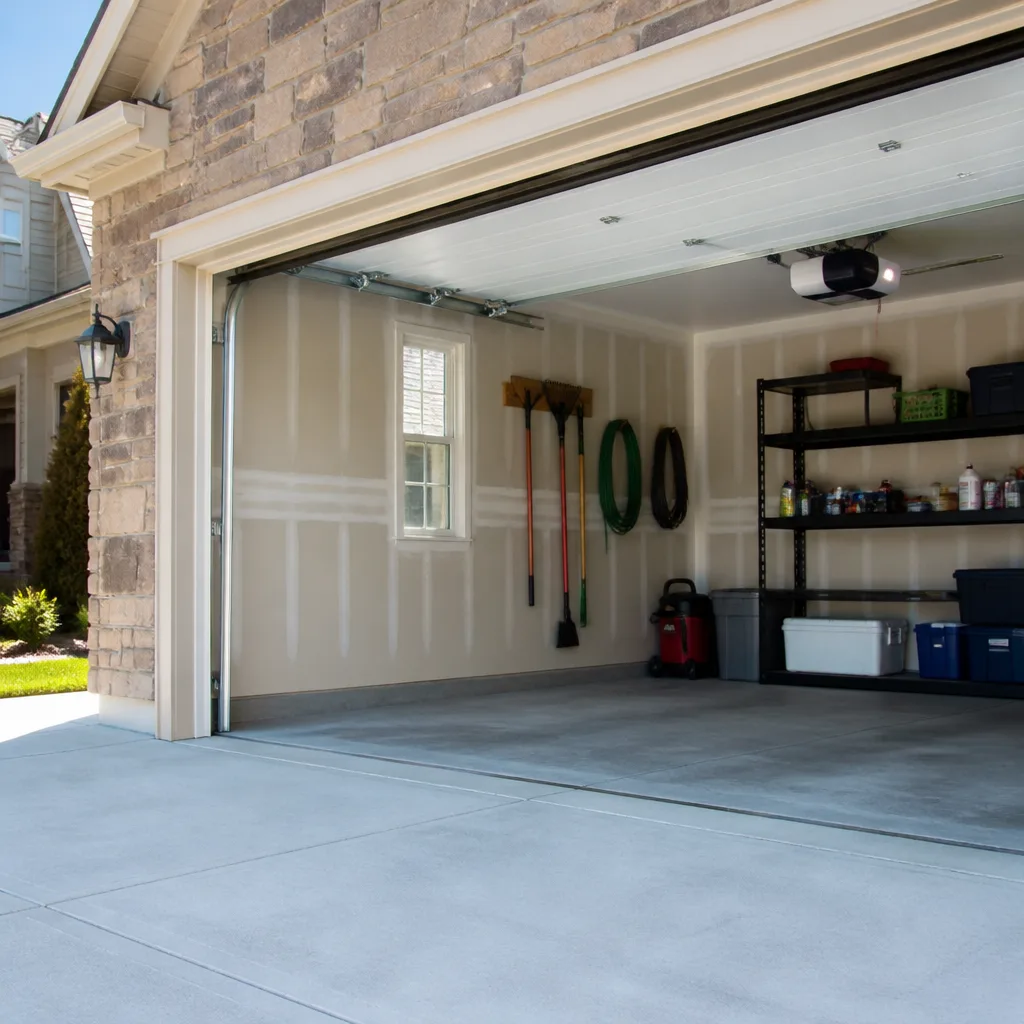 Chamberlain openers
Full 25-point door and opener safety check with every visit - springs, cables, rollers, tracks, and your LiftMaster or Chamberlain opener included
You get a price before we start. It does not change when the truck arrives.
Get your free estimateGarage Door Warning Signs: A Richmond Homeowner’s Reference Guide
Most garage door “warning sign” checklists treat every symptom the same way. A grinding noise is a grinding noise, a gap is a gap, replace the part and move on. That approach gets people into trouble. A rhythmic clicking on most doors points to a cable drum out of alignment, but on a Wayne Dalton TorqueMaster system the same sound can mean an internal spring is failing where you can’t see it. The symptom sounds identical. The meaning is completely different. That’s what this guide does: it reads warning signs by brand and by Richmond context, so you know whether you’re looking at a minor annoyance or a failure waiting to happen. We’ll walk through noises, visual damage, opener behavior, a triage guide for acting now versus scheduling, and the mistakes that cost Richmond homeowners the most.
Quick Answer
The garage door warning signs that demand action now are a snapped torsion spring, frayed or snapped cables, a door that reverses before touching the floor, and any loud bang from the overhead mechanism. Grinding, squealing, and slow opener hesitation are usually serviceable problems you can schedule within a couple of weeks. A single dented panel or light surface rust on the bottom section is cosmetic until it disrupts the door’s travel or the frame around it. Call for anything involving springs or cables; those carry stored tension and a real injury risk for anyone without the right tools and training.
Styles & brands we work with
- Raised-panel steel
- Carriage house
- Modern flush
- Full-view glass
- LiftMaster openers
- Chamberlain openers
Table of Contents
- How to Read the Four Noises Your Door Makes
- Brand-Specific Signals: Wayne Dalton, Craftsman, and More
- Cosmetic vs. Structural: Reading Dents and Rust Correctly
- Spring and Cable Warning Signs Unique to Richmond’s Climate
- Opener Behavior Decoded by Brand
- Act Now vs. Schedule Within 30 Days
- Common Mistakes to Avoid
- Frequently Asked Questions
How to Read the Four Noises Your Door Makes
The noise coming out of your garage isn’t just “loud.” It has a character, and that character tells a technician almost as much as looking inside the mechanism does. In our experience, homeowners describe the sound in one of four ways, and each one maps to a different family of causes. The trick is that the same sound on a different brand can mean something else entirely, which is why the next section breaks those distinctions down.
Here’s how to sort what you’re hearing:
- Grinding. A low, rough grinding usually starts at the rollers and the tracks. Dirty or worn rollers, tracks that have shifted slightly out of plumb, or a torsion shaft with dry bearings all produce it. On most doors this is an adjustment and lubrication issue. On heavier steel doors it can also mean the opener is straining to lift a load it was never sized for.
- Clicking. Rhythmic clicking that syncs with the door’s travel is the most brand-sensitive symptom. On a standard torsion system, it usually points to a cable drum that’s riding out of its seat. On a Wayne Dalton TorqueMaster, clicking can come from inside the shaft housing, where the internal spring lives, which means you can’t diagnose it by sight alone.
- Squealing. High-pitched squealing almost always traces to metal-on-metal contact: a dry hinge, a nylon roller worn through to the core, or a bearing nearing the end of its life. It’s the least urgent of the four and the easiest to resolve with proper lubrication and a worn part swap.
- Banging. A sharp bang, especially from overhead, is the one to take seriously. If the door is suddenly heavy or won’t hold its position when you lift it halfway, the spring has likely failed. Stop operating the door and call for service.
One Richmond-specific note: many homes here were built decades apart, so a single block can have doors of wildly different ages and mechanisms. That’s why an exact diagnosis based on the sound alone doesn’t always land – a technician’s visual check of the springs, cables, and drums is what confirms it. If you’re in a neighborhood like the Richmond flats where original hardware is still in place on some homes, expect older torsion setups that wear differently than newer doors down the street.
Brand-Specific Signals: Wayne Dalton, Craftsman, and More
Garage door brands are not interchangeable, and neither are their failure patterns. A technician who treats every door the same way will miss things. We work on products from Wayne Dalton, Craftsman, Amarr, and Raynor, among others, and each has quirks that show up in the warning signs. Here’s what to watch for on the systems you’re most likely to have.
- Wayne Dalton TorqueMaster. On this system, the torsion springs are enclosed inside a metal shaft housing. You can’t see them, which means you can’t visually confirm wear. That rhythmic clicking we mentioned earlier is often the first sign the internal spring is on its way out. Listen for any change in the sound profile, and treat any clicking as a reason to have the system checked before it fails completely.
- Craftsman and other belt/chain-drive openers. Craftsman opener systems are widely installed in homes built from the 1990s onward. Grinding from a Craftsman opener often traces to the trolley or the chain tension rather than the door itself. A loose chain slapping the rail produces a grinding sound homeowners often misattribute to the door. A quick visual check of chain slack tells you which end of the system the noise is coming from.
- Amarr and Raynor steel doors. Both brands build insulated and non-insulated steel doors that hold up well, but the hinges and rollers are where the wear shows. On a heavier Amarr or Raynor panel door, a single dry hinge can squeal loudly enough to sound like a bigger problem. On the flip side, a heavier door puts more load on the opener, so belt-drive wear shows up faster than on a light door.
- LiftMaster and Chamberlain systems. The most common smart opener families in Richmond. Their failure signatures are mostly electronic – hesitation, travel limits drifting out of sync, or a remote that loses range – rather than mechanical. We cover those in the opener section below.
If you don’t know what brand you have, that’s fine. Look for a label on the back of the door panel or on the opener motor housing, or just describe the mechanism over the phone. A trained technician can usually identify the family within a couple of minutes of looking. When you’re ready for a proper diagnosis, call Silverline Garage Door Repair and we’ll take it from there.
Cosmetic vs. Structural: Reading Dents and Rust Correctly
A dented panel doesn’t automatically mean a trip to the shop, and a spot of rust doesn’t mean your door is done. The question is whether the damage is surface-level or whether it’s telling you something deeper is happening to the door’s structure. Here’s how to tell the difference before you panic or ignore it.
A panel dent is cosmetic if:
- The panel still sits flush against its neighbors, with no gap or overlap at the seam.
- The door runs up and down without catching, wobbling, or shifting sideways in the tracks.
- The dent is smooth, with no sharp crease running into the door’s frame or hinge mounting area.
A panel dent is structural if:
- There’s a crease that reaches the panel’s edge or hinge stile. A crease in the wrong place means the panel is no longer carrying its share of the door’s weight.
- The hinge mounts have pulled or deformed around the dent. That’s a load-bearing problem, not a cosmetic one.
- The door shifts or binds even slightly as it passes through the tracks. This is the biggest indicator that underlying frame damage is involved, and it usually gets worse.
Rust, similarly, has two patterns. Light rust concentrated at the bottom edge of the lowest panel, or around the hinge faces, is usually surface-level and can be treated. Rust that spreads in a wide patch across a panel face, or that appears around the hinge mount points with bubbling underneath the paint, suggests those fasteners and the frame around them have been compromised. That’s the version that changes what a repair looks like. In Richmond, where the indoor-outdoor living culture means garages see variable humidity, watching this pattern over a season is the practical way to distinguish surface rust from structural rust.
Spring and Cable Warning Signs Unique to Richmond’s Climate
Torsion springs and cables are the most important parts of your garage door system, and they’re also the two parts you should never adjust yourself. Springs hold enormous stored energy, and a spring or cable can cause serious injury if the wrong person tries to work on it. The safe move is to recognize the warning signs and hand the job to a trained technician.
Here are the signals that a spring or cable needs professional attention:
- The door suddenly feels heavier than before. Lift it by hand to about waist height. If it won’t stay put or takes real effort to raise, a spring has likely lost tension or failed.
- A visible gap in a spring coil. Look along the torsion shaft at the top of the door. If a spring has a distinct gap where a coil used to be, that spring has broken.
- Cables that are frayed, kinked, or hanging off their drums. A cable is under tension even when the door is closed. Never touch a cable that looks slack or off-track; that’s a call-a-tech situation.
- A sharp bang from the garage, followed by the door not opening. This is the classic spring failure signal. Don’t force the opener.
Now the Richmond-specific part. Our mild winters and long, humid stretches create a specific wear pattern for springs. Age fatigue on a torsion spring shows up as a gradual color change from dark steel to a lighter, chalky gray, often paired with a rougher surface texture near the coils. That’s the metal losing its temper under load. It happens to every spring eventually, but the visible texture is your guide to how close to the end yours is. On the coast side of Richmond, where marine air pushes humidity into the garage more aggressively, spring coils and cable ends can also show a white-and-orange discoloration that looks like rust but is corrosion from the moist air. If you see that pattern building on the coil ends, it’s a sign to have the springs and cables inspected rather than wait for a failure. When it’s time, our garage door repair service handles the full spring and cable replacement.
Opener Behavior Decoded by Brand
Opener symptoms get misdiagnosed more than any other part of a garage door system, because owners tend to assume the door is at fault when the opener is actually telling the story. Different brands handle the same failure condition in very different ways, and knowing which family of behavior you’re seeing cuts down on guesswork.
Here’s how to decode the common behaviors by brand family:
- LiftMaster and Chamberlain hesitation. These openers use their own logic for the auto-reverse safety check. If a LiftMaster or Chamberlain door reverses or hesitates before touching the floor, the most common causes are a misaligned safety sensor, a traveling object in the sensor beam, or travel limits that have drifted out of position. Sometimes the sensor lens itself is fine but the bracket has shifted a few degrees. That’s a movement check, not a parts replacement.
- Genie reversal in the wrong place. Genie’s safety logic responds differently under the same conditions. Genie doors that reverse midway through the close cycle often point to the opener’s force setting being too sensitive, or a mechanical bind in the door that the opener interprets as an obstruction. Before assuming the opener needs replacing, the door’s own travel has to be tested.
- Craftsman remotes losing range. Craftsman remotes that work only when you’re within a few feet of the door usually trace to the receiver antenna or a weak battery in the remote. Check the remote battery first; if it’s fine, the receiver or its wiring is the likely culprit.
- All brands: grinding from the travel rail. A grinding opener motor on any brand is usually a worn gear or a chain that needs tension adjustment. On LiftMaster and Chamberlain belt systems, worn belt teeth produce a slipping feel. That’s a service item, not a replacement.
When the opener itself is the problem, garage door opener repair is a specialty we take seriously across every brand family we work on. Most opener behavior issues can be tested and resolved at the opener housing. Sometimes the door is fine and the opener needs an adjustment; sometimes it’s the reverse. A technician who understands the brand will check both before picking a repair.
Act Now vs. Schedule Within 30 Days
One of the most valuable skills a homeowner can develop is telling the difference between an urgent problem and one that can wait. Overreacting to a squeak wastes a service call. Waiting too long on a failing spring gets you a car blocked in the garage at the worst possible time. Here’s the triage guide we use in the field, laid out as a practical decision list.
Act now (call today):
- A visibly snapped spring, or a door that feels suddenly very heavy when lifted by hand.
- A cable that has come off its drum, is frayed, or is hanging loose.
- Any loud bang from the overhead mechanism followed by a non-working door.
- A door that reverses before making contact with the floor, or that closes on an obstruction.
- Any grinding or popping from the door or opener paired with a door that no longer runs smoothly through its full travel.
Schedule within 30 days:
- Squealing or squeaking on an otherwise functional door. Usually lubrication and a worn part.
- Slow opener hesitation or a remote with reduced range where the door itself runs normally.
- Light surface rust, or a single dent that doesn’t affect the door’s travel or hinge mounts.
- A slower, noisier door cycle overall, without any single dramatic failure.
- Worn weatherstripping at the bottom, when the door still seals when closed.
Monitor and recheck next season:
- New chalky-gray texture on a spring coil with no other symptoms.
- A cosmetic dent or scratch with no seam spread and no change in door travel.
- One remote on a multi-door system that works only from certain angles.
If you’re not sure which bucket a symptom falls into, the safe move is to describe it over the phone and let a technician weigh in. Call (833) 519-3675 for a free estimate. We answer 24/7 and can dispatch for a same-day visit when the schedule allows.
Common Mistakes to Avoid
- Assuming every grinding noise is the opener. On many doors the sound comes from the rollers or the tracks, and putting a new opener in won’t fix it. Check the door’s own travel before blaming the motor.
- Ignoring quiet clicking on a Wayne Dalton TorqueMaster. This is the single most missed warning sign on this brand, because there’s nothing visible to see. Clicking under load is worth a professional check.
- Treating a broken spring as a DIY fix. Torsion springs hold stored energy even when the door is down. A trained technician uses the right tools and process; an untrained homeowner risks serious injury.
- Patching around a cable that has come off its drum. That is not a small repair. A cable off its drum means the door isn’t tracking correctly, and running it will make both the door and the opener worse.
- Replacing a whole door panel because of one dent. A smooth dent in the middle of a panel with no seam spread and no change in door travel is cosmetic. Don’t buy a panel you don’t need.
- Waiting for a Rust Belt-style crack when the clue is color. In Richmond, a torsion spring near failure often shows up first as a chalky texture change, not a visible break. Get it inspected.
- Ignoring the safety sensor check after any door reversal. A door that reverses before touching the floor is usually a sensor or travel-limit issue, not an opener failure. Start with a sensor check before assuming the worst.
See the difference
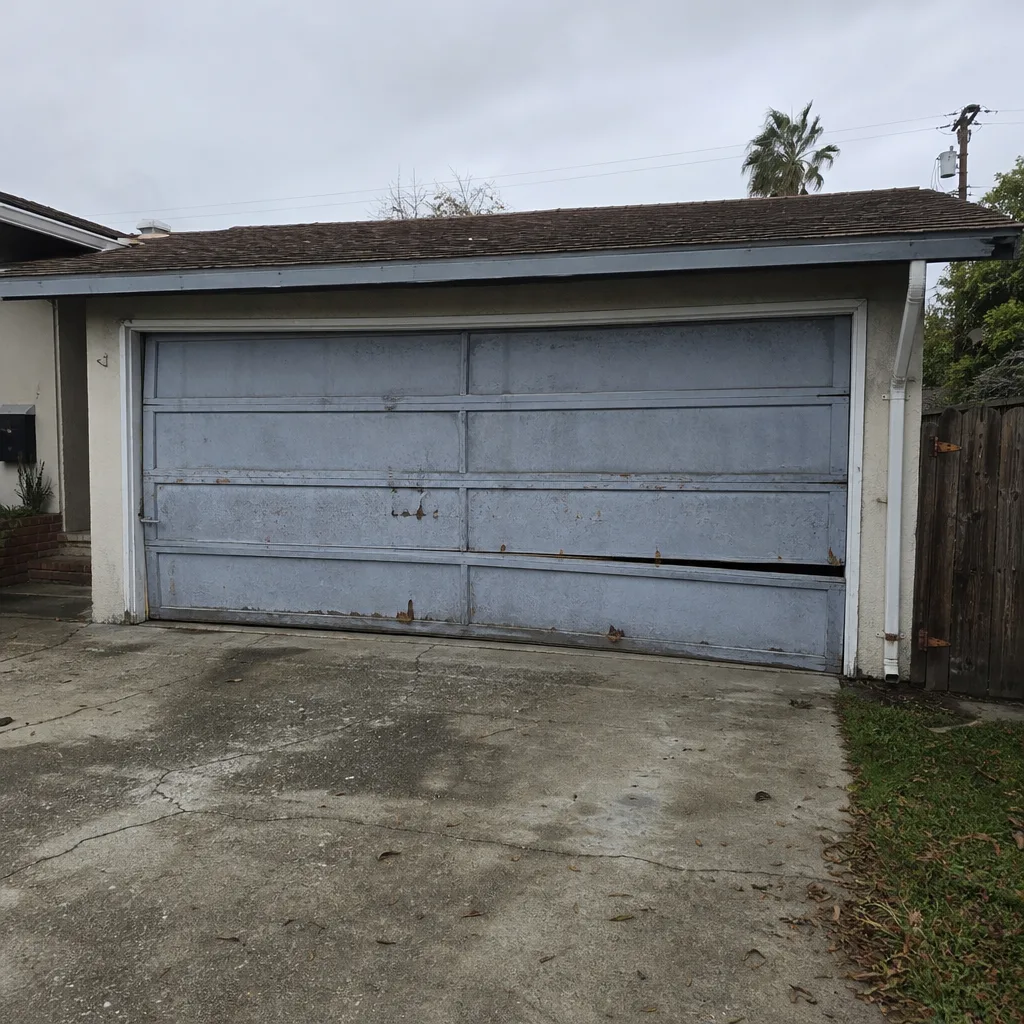 Before
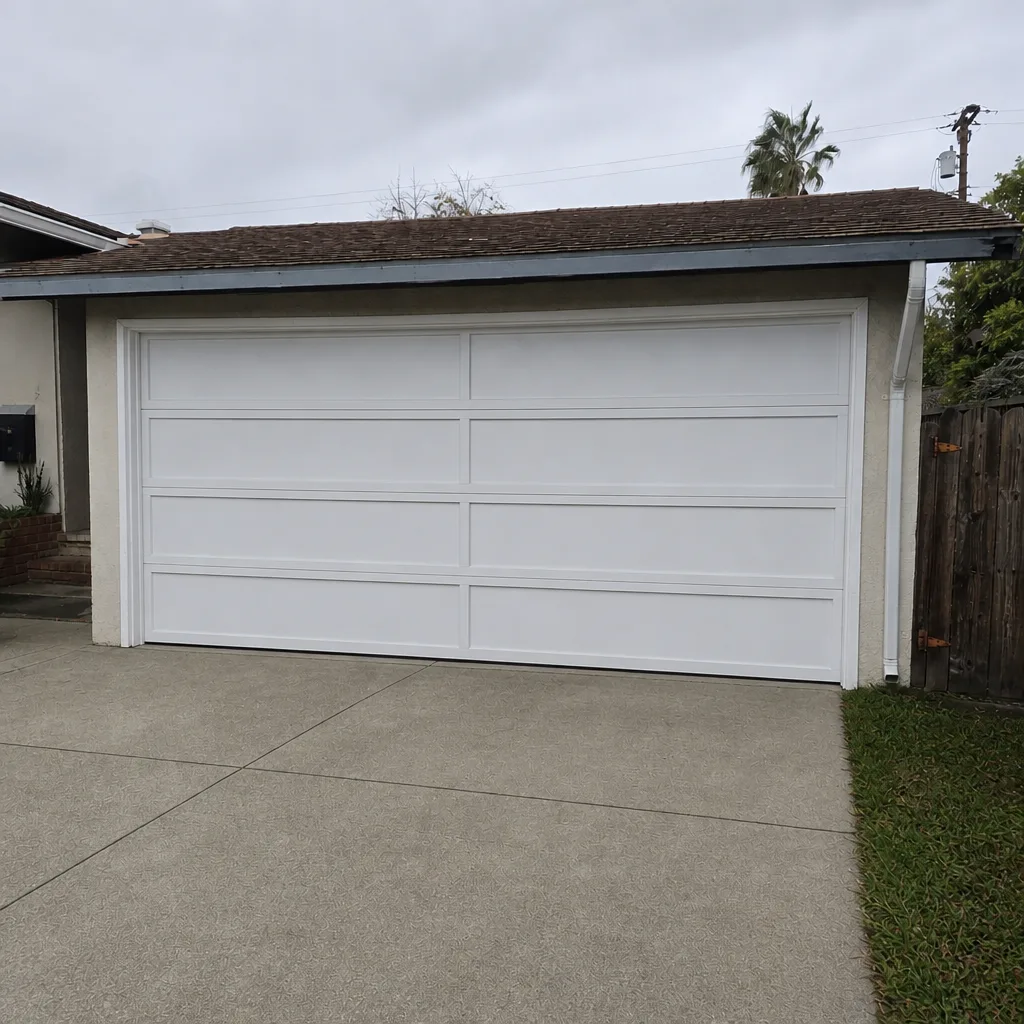 After
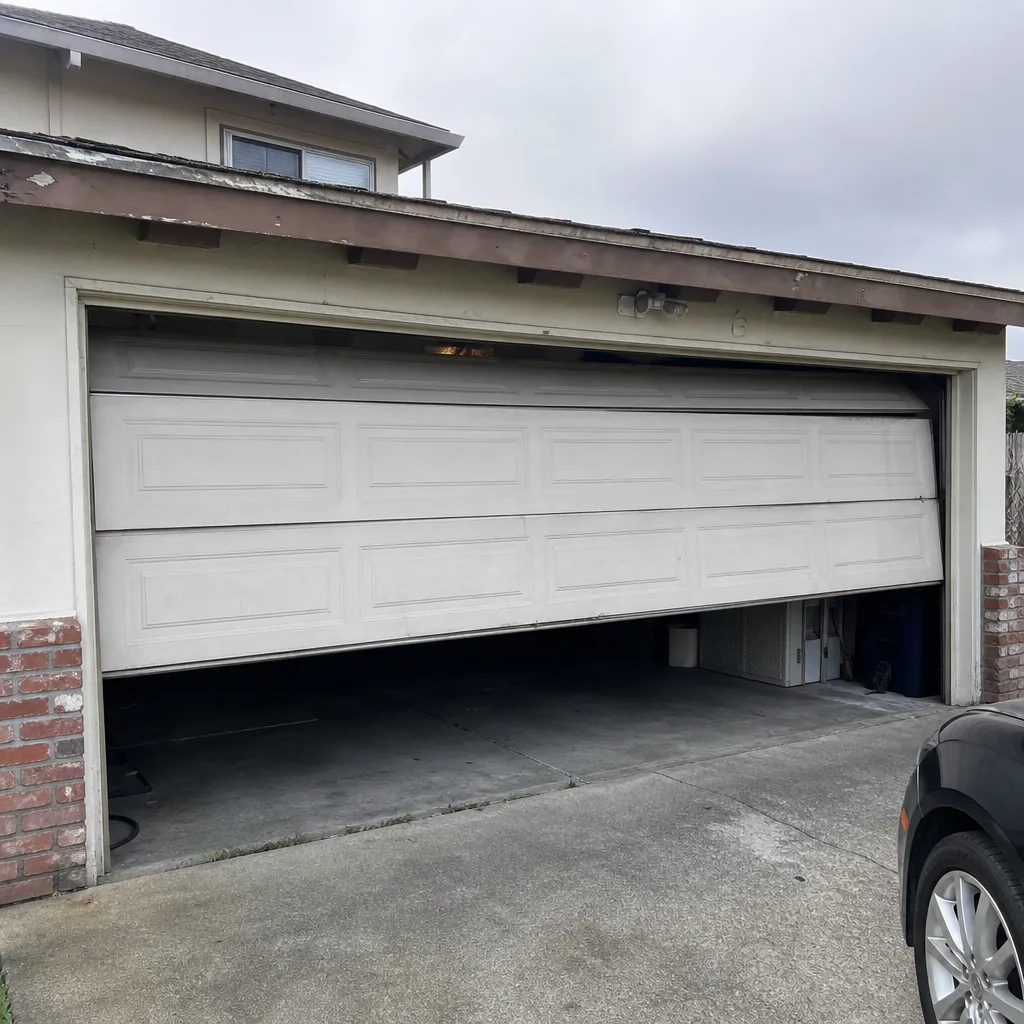 Before
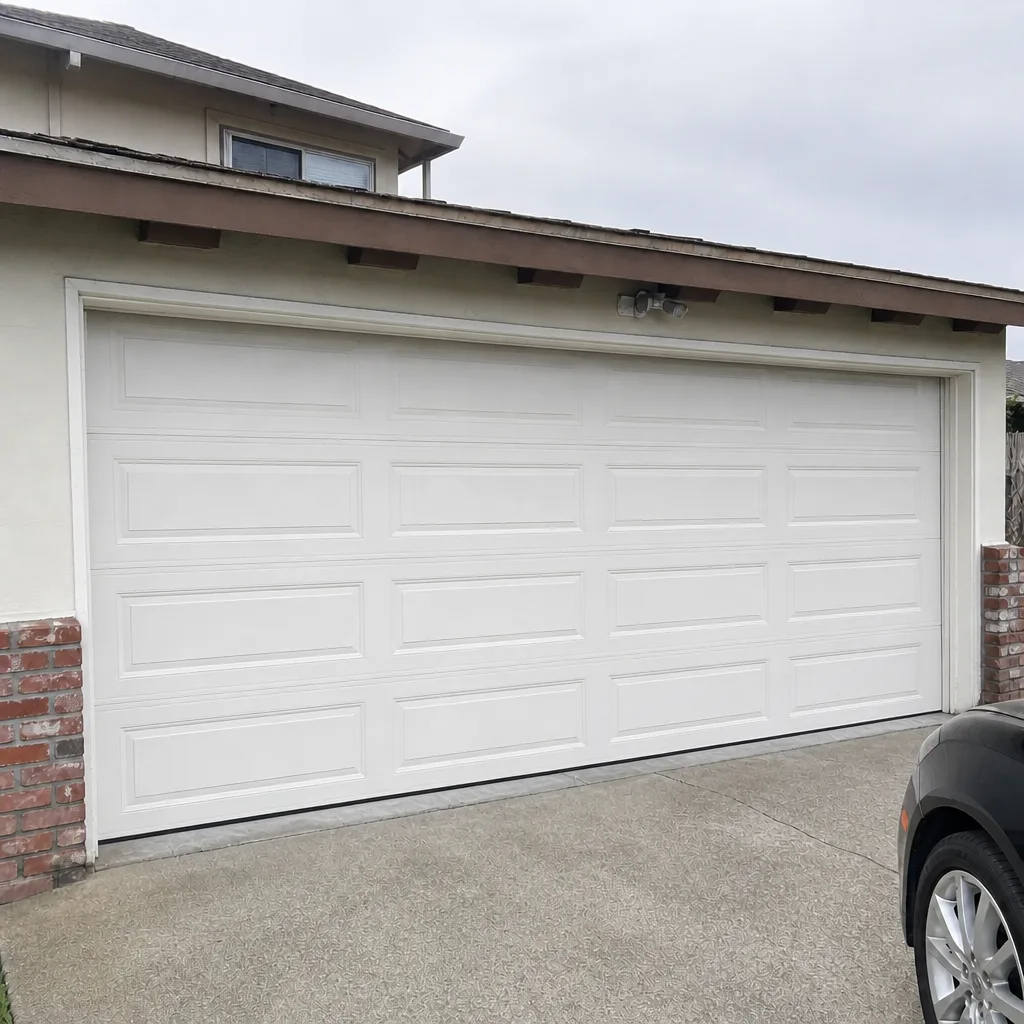 After
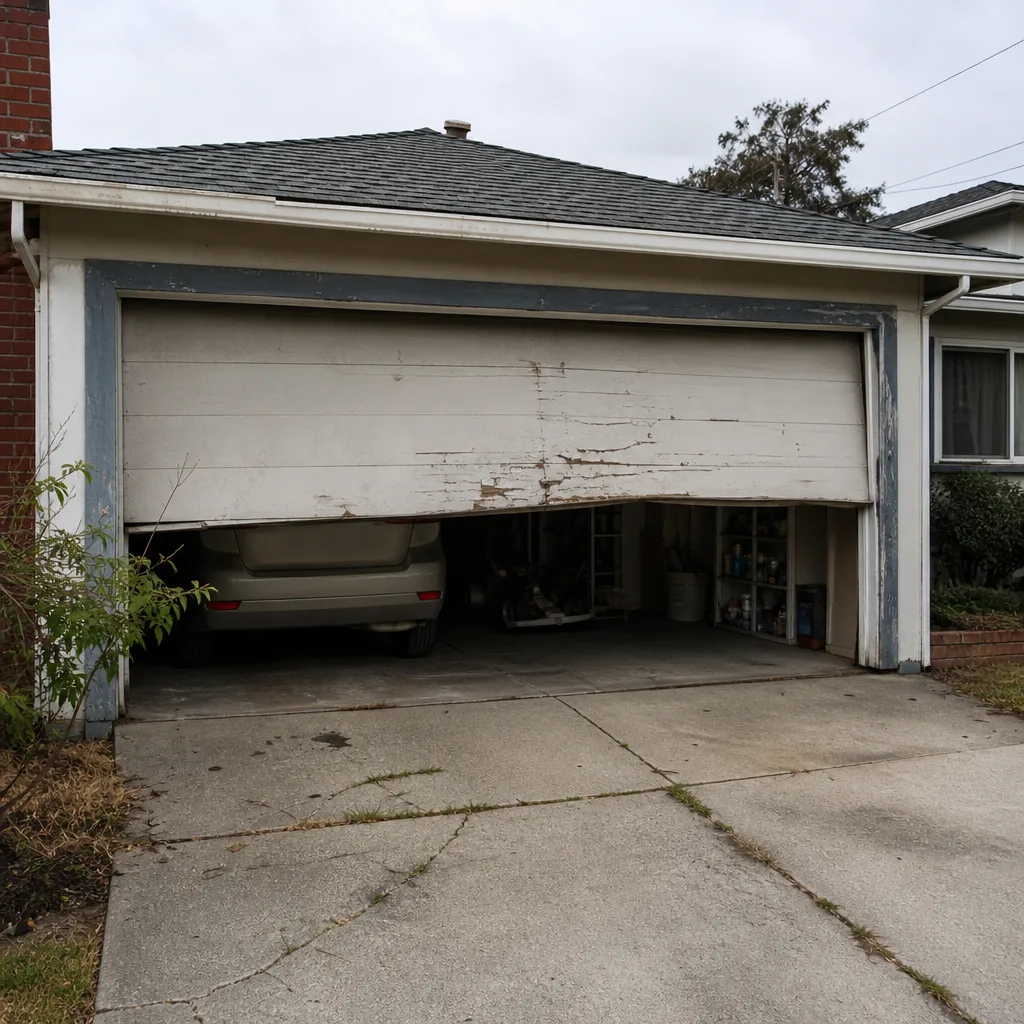 Before
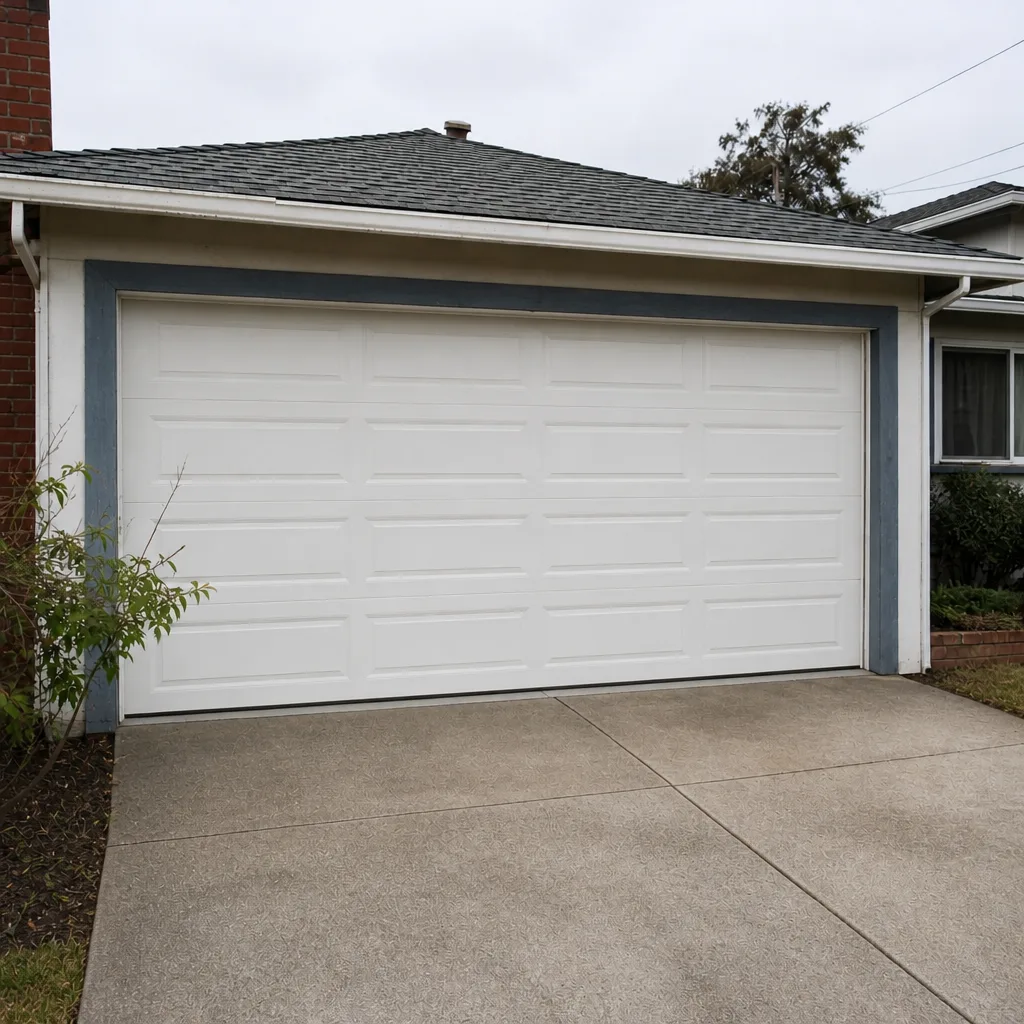 After
When to Call a Professional
There are some garage door problems you can safely handle, and there are some you should never touch. The line runs through the springs and cables. If you see a snapped spring, a frayed or off-track cable, a door that suddenly feels heavy, or any sharp bang followed by a non-functional door, call a trained technician before running the opener again. The same goes for a door that reverses before touching the floor or closes on something in the beam – those are safety-critical and need a real diagnosis, not a guess.
On the mechanic side, grinding that originates at the opener motor, hesitation from a LiftMaster or Chamberlain system, or a Genie door that reverses in the wrong place are all worth a professional look. Silverline Garage Door Repair has worked on products from LiftMaster, Chamberlain, Genie, Clopay, Amarr, Wayne Dalton, Craftsman, and Raynor. We diagnose the brand, not just the symptom. Silverline Garage Door Repair offers free estimates in Richmond – call (833) 519-3675 for an appointment. We answer 24/7. Fast dispatch from 7am to 7pm, Sunday through Friday. Call for anything involving springs, cables, opener behavior, or a door that has changed how it runs.
Frequently Asked Questions
A snapped torsion spring or a frayed, off-track cable is the most serious warning sign. Both involve stored energy that can cause serious injury if the wrong person tries to fix them, and both mean the door must not be operated until a technician has inspected it. Call (833) 519-3675. We answer 24/7. Fast dispatch from 7am to 7pm, Sunday through Friday.
Not always, but the brand matters a lot. On a standard torsion system, rhythmic clicking usually points to a cable drum riding out of its seat, which is a scheduling-level repair. On a Wayne Dalton TorqueMaster, the same clicking can signal an internal spring failure you can’t see, which is more urgent. When in doubt, have the door inspected; the diagnosis is free with your estimate.
The main Richmond-specific issue is humidity-related wear on springs and cables. Torsion springs here can develop a chalky-gray texture change before they fail, and cable ends sometimes show white-and-orange corrosion from moist air near the coast. Watching for these two signs lets you plan a spring and cable replacement on your terms rather than at a failure.
A dent is cosmetic if the panel sits flush with its neighbors, the door runs smoothly, and there’s no crease reaching the panel edge or hinge mount. A dent is structural if the seam has spread, the hinge mount has deformed, or the door binds as it moves. A technician can confirm which one you’re looking at in a couple of minutes; estimates are free.
Not usually. On a LiftMaster, a door that hesitates before reversing is most often a safety sensor that has shifted out of alignment or an object in the beam. Start there; if the sensor looks clean and centered, travel limits or a mechanical bind are the next suspects. Fixing the right thing saves you a parts bill.
Same-day if the door has failed outright, is visibly heavy, or has a broken spring or cable. Schedule for later if the door still runs fine and you’re seeing squealing, slow opener behavior, or a cosmetic dent. Call (833) 519-3675 to describe what’s happening; a technician will help you decide. We answer 24/7 and dispatch from 7am to 7pm, Sunday through Friday.
The Bottom Line
The single biggest takeaway from this guide is that garage door warning signs need context. Same noise, different brand, different meaning. On top of that, Richmond’s humidity puts specific pressure on spring and cable wear that you need to watch for visually. Our advice: learn the four noise signatures, watch your springs and cables for texture and color changes, and use the triage guide so you’re neither panicking over a squeak nor waiting on a failing spring. When something you can’t diagnose on sight shows up, call a technician who knows your brand. We’ve been serving Richmond since 2012, we know the eight most common brand families in the market, and we can tell you what’s a warning sign worth watching and what’s worth scheduling. Call (833) 519-3675 for a free estimate. We answer 24/7. Fast dispatch from 7am to 7pm, Sunday through Friday.
Written by the team at Silverline Garage Door Repair, serving Richmond since 2012.