
Last updated November 14, 2026
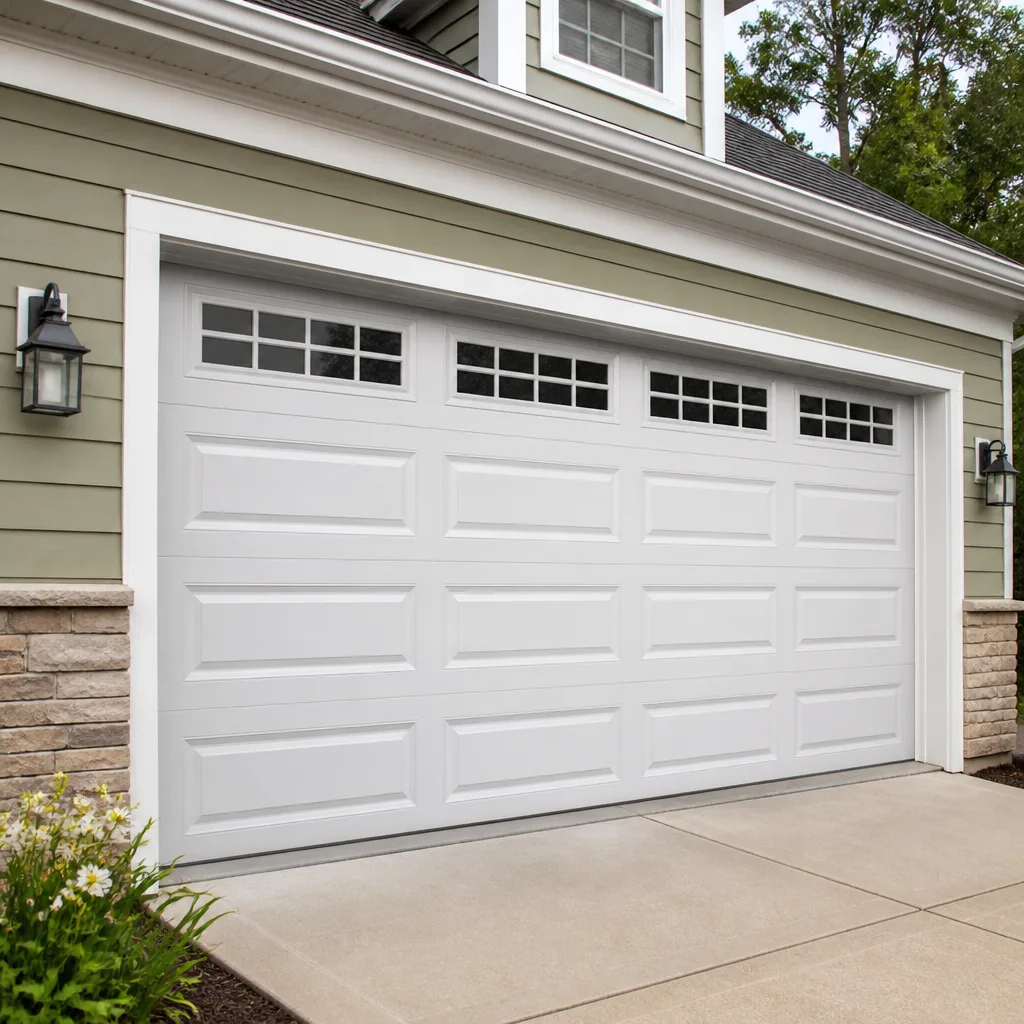 Raised-panel steel
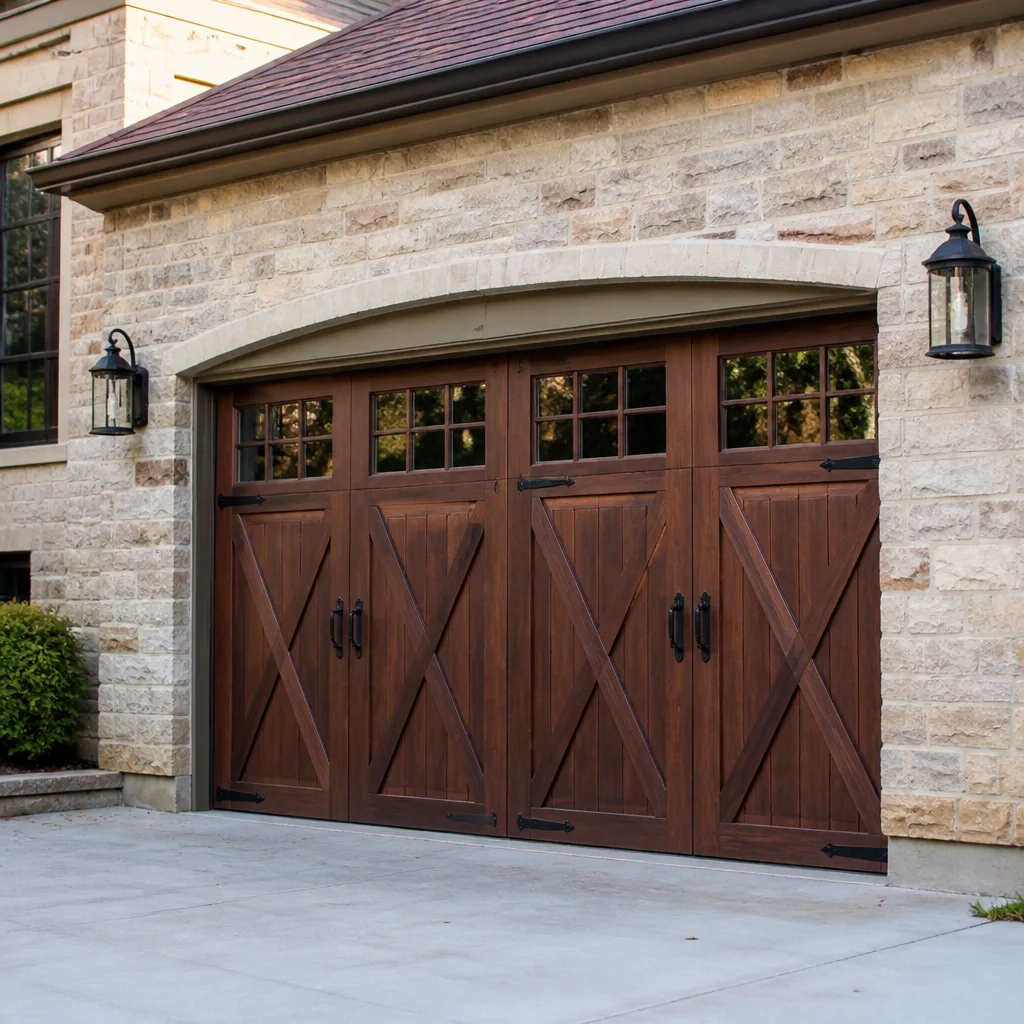 Carriage house
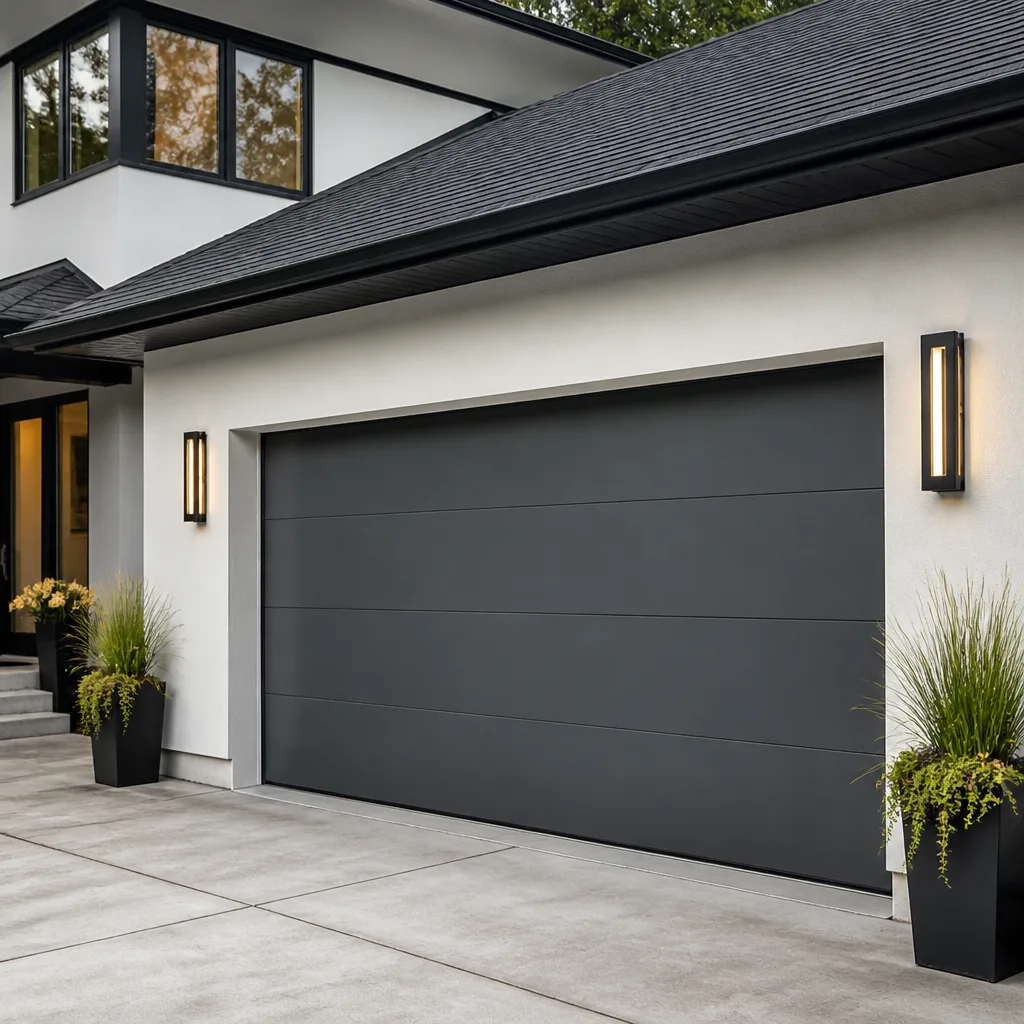 Modern flush
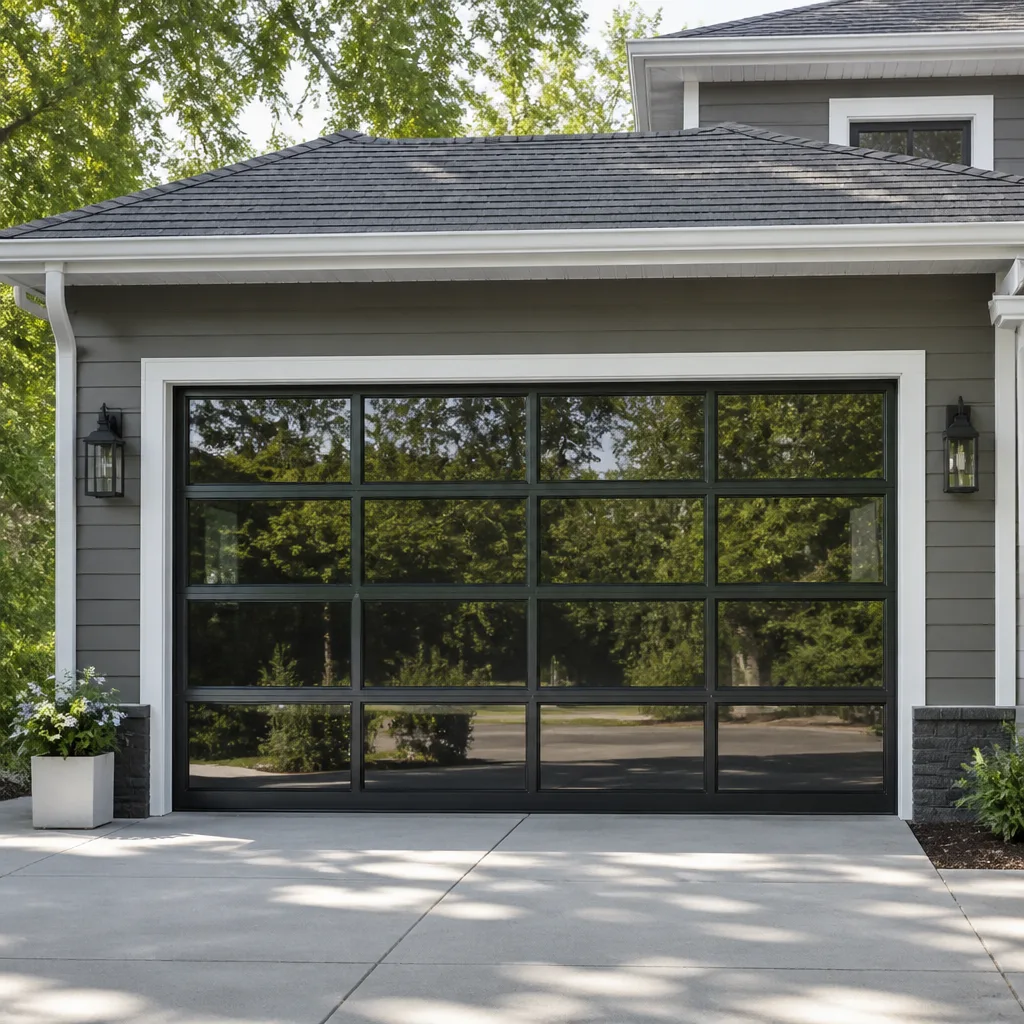 Full-view glass
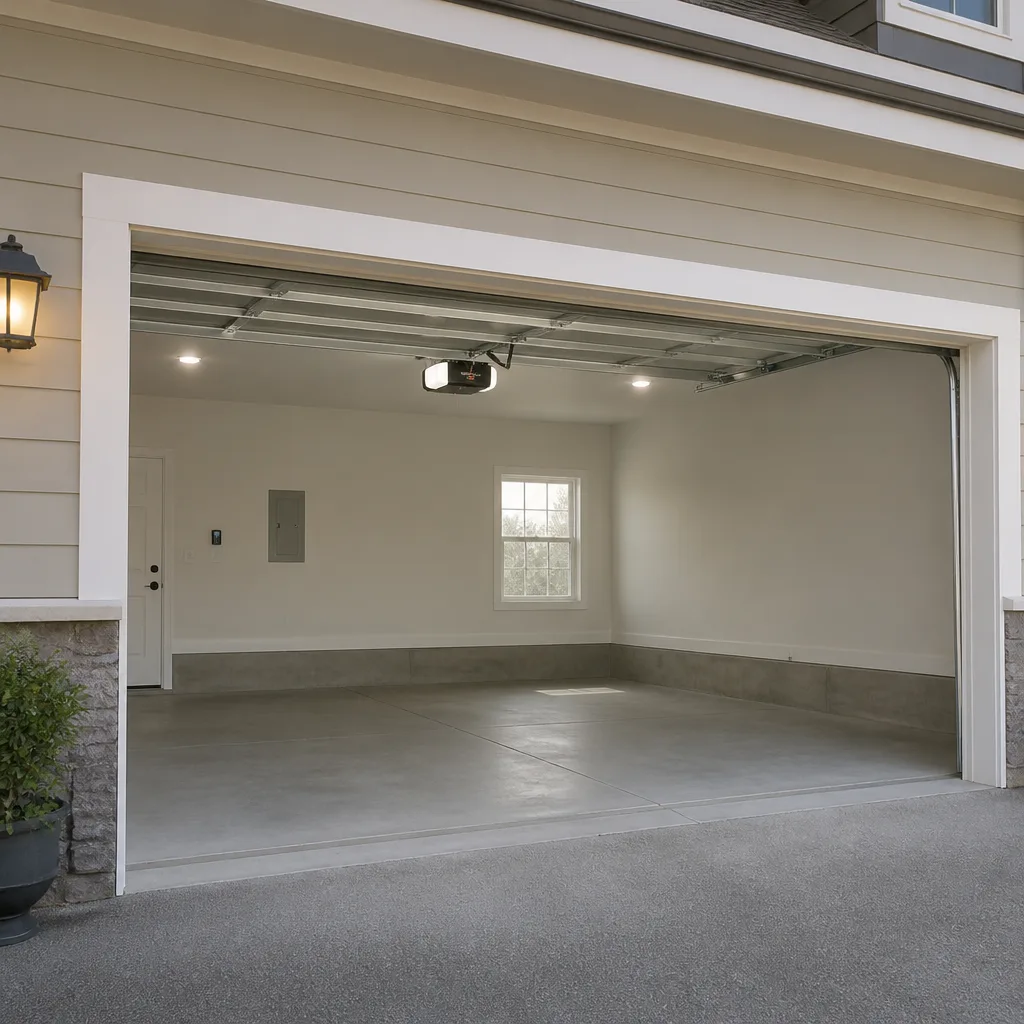 LiftMaster openers
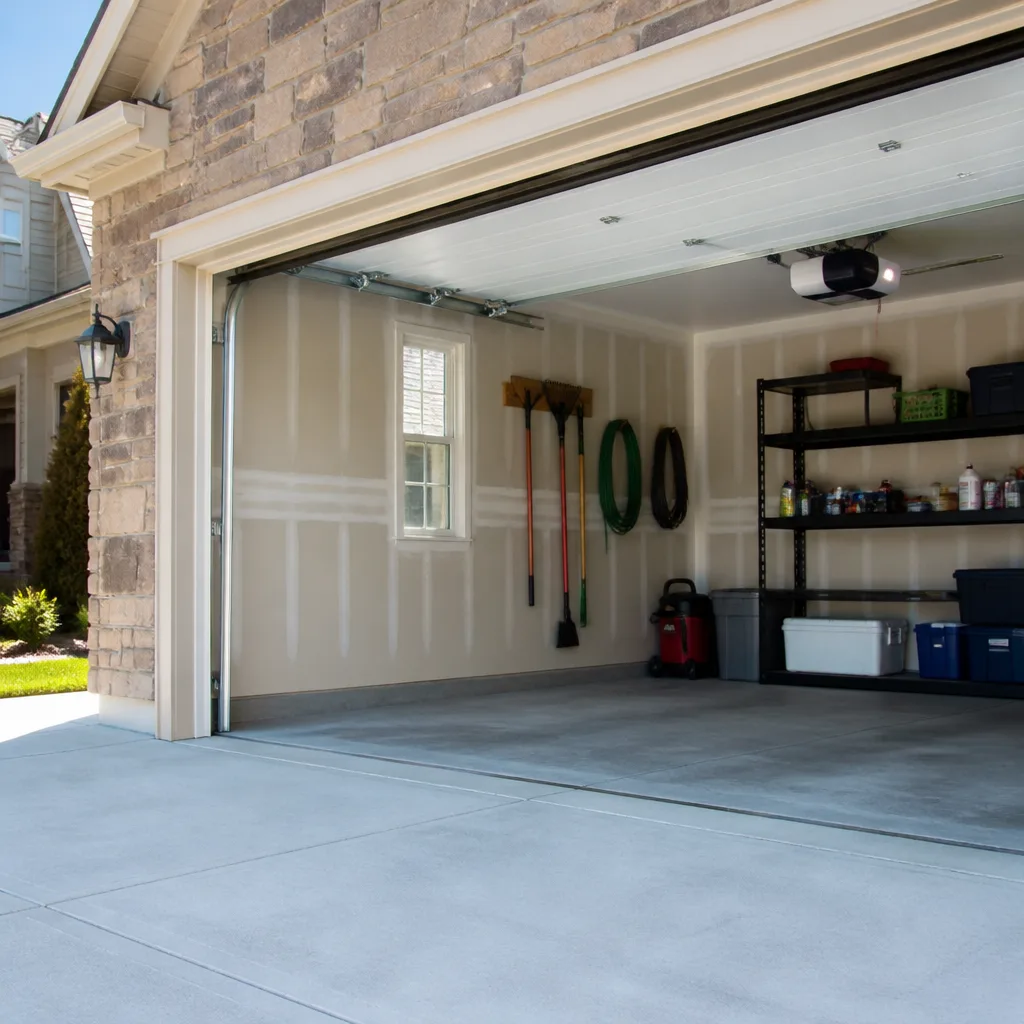 Chamberlain openers
Full 25-point door and opener safety check with every visit - springs, cables, rollers, tracks, and your LiftMaster or Chamberlain opener included
You get a price before we start. It does not change when the truck arrives.
Get your free estimateChoosing the Right Garage Door Brand: A Buyer’s Guide for Richmond
Picking a garage door by how it looks in a showroom is a little like picking a boat by its interior upholstery. The finish tells you almost nothing about what happens under the paint once the door is hanging on your house. In Richmond, the variable that separates a door that lasts from one that keeps coming back is corrosion, and the thing that separates a two-day repair from a two-week wait is whether a replacement torsion spring for that brand sits on a Contra Costa County shelf or has to be ordered from a factory. This guide walks through the eight brands most common in Richmond, how their hardware and paint systems behave in Bay Area conditions, how to read warranty language, and how to match a brand to your actual use case. By the end you’ll know what to ask before you sign.
Quick Answer
The right garage door brand for a Richmond home is the one whose materials resist Bay Area corrosion, whose hardware is locally stocked for fast repair, and whose dimensions fit your existing rough opening without custom fabrication. In practice that usually means a steel or composite door from a brand with a regional distributor, matched to your home’s era and your maintenance appetite. Price and curb appeal matter, but they’re the last filters, not the first.
Styles & brands we work with
- Raised-panel steel
- Carriage house
- Modern flush
- Full-view glass
- LiftMaster openers
- Chamberlain openers
Table of Contents
- Why Richmond Changes the Brand Math
- The Eight Brands You’ll See Most in Richmond
- Galvanized Hardware, Paint Bonding, and Seal Integrity
- Parts Availability: Local Distributors vs. Factory Orders
- Older Richmond Garages and Non-Standard Openings
- Warranty Language Decoded
- Matching Brand to Use Case
- Common Mistakes to Avoid
- When to Call a Professional
- Frequently Asked Questions
Why Richmond Changes the Brand Math
Most garage door buying guides are written for a generic suburb. Richmond isn’t generic. The city sits on the eastern shore of San Francisco Bay, and the air here carries enough moisture and salt to work on steel hardware in a way that inland buyers simply don’t experience. A door that lives ten years in a dry valley climate can show fastener corrosion and bubbling paint seams in half that time within a few miles of the water.
That single fact reorders the priorities. When you’re comparing brands for a Richmond address, the questions that matter most are:
- What gauge is the hardware? Thicker galvanized steel on hinges, brackets and the torsion assembly resists surface rust longer before it starts to pit.
- How is the paint bonded? Factory-baked finishes that cure at high temperature hold to the steel far better than field-applied or low-bake coatings, which is what determines whether you get chalking and peeling at the seams in year five or year fifteen.
- How well does the insulation seal? Foam cores and the seals around them matter if your garage shares a wall with living space or if you’re trying to keep the space usable.
- Can the parts be sourced locally? A spring or hinge that ships in two days beats a warranty claim that ships in two weeks.
Notice what’s not on that list: color, window inserts, decorative hardware. Those are legitimate choices, but they’re downstream decisions. Get the materials and the supply chain right first and the aesthetics narrow themselves. Richmond’s housing stock is also a factor, because a garage built in the 1960s wasn’t framed to today’s standard dimensions. We’ll get into that later, because it quietly eliminates some brands from consideration before you ever talk about price.
The Eight Brands You’ll See Most in Richmond
These are the names we encounter most often on Richmond homes. Comparing them side by side on materials, finish, insulation and local availability is the useful exercise, not ranking them in a single list. Below we walk through what each is actually good at, and where it needs a careful look.
Clopay
Clopay is one of the most widely installed brands in the country, and in Richmond you’ll find it on everything from builder-grade tract homes to newer construction. The lineup is broad enough to cover a steel low-maintenance door through a well-sealed insulated model. Finish quality is generally solid across tiers, but the entry models use lighter hardware than the mid and upper tiers, so it’s worth confirming the gauge rather than assuming.
Amarr
Amarr covers a similar range and is common where a homeowner wanted a step up in insulation without moving into a premium price bracket. Its insulated lines hold up well, and the hardware is consistent across the line. For Richmond buyers who care about keeping a garage workspace temperate, Amarr’s insulated options deserve a serious look.
Wayne Dalton
Wayne Dalton is everywhere in Richmond, largely because it’s been a builder staple for decades. That’s good news for parts: it’s one of the easier brands to service quickly because so much of the hardware is standard. Some older models had panel and hardware quirks worth knowing about, and a technician who has worked on the brand will recognize them on sight rather than diagnosing from scratch.
Overhead Door
Overhead Door is the legacy name in the category, and the brand still shows up on a lot of older Richmond homes. Build quality on the original installs was strong. The catch is age: fasteners and torsion assemblies on older doors need a careful inspection before anyone decides whether to repair or replace.
CHI
CHI is a solid mid-market option with a reputation for heavier-gauge steel and good finish durability. It’s less common in Richmond than Clopay or Wayne Dalton, which is the tradeoff: excellent product, but parts availability can occasionally mean a wait compared to a brand with deeper local stocking.
Martin
Martin is a well-regarded brand that leans toward heavier construction. Where it shows up in Richmond, it tends to be on homes where the original owner specified something above builder grade. The doors hold up, and repairs are straightforward when the parts are on hand.
Garaga
Garaga is known for insulation and sealing at the higher end of the market. If your priority is a conditioned garage or a quiet, well-sealed door, Garaga’s premium lines are worth a look. The tradeoff is price and, again, parts lead time on less common components.
Hormann
Hormann is a European brand with strong engineering and finish quality. It’s the least common of the eight in Richmond, which cuts both ways: excellent product, but local parts stocking is thinner than the big domestic names. Buyers should confirm the specific component sourcing before committing.
Side-by-side on the metrics that matter here
Rather than a wall of asterisks, here’s how the eight stack up on the criteria that actually drive longevity in Bay Area conditions:
- Heaviest-gauge hardware (by reputation): CHI, Martin, Hormann
- Best paint bonding and finish durability: Hormann, Garaga, CHI
- Best insulation seal integrity: Garaga, Amarr, Hormann
- Best local parts availability in Contra Costa County: Clopay, Wayne Dalton, Overhead Door
- Widest model range (easiest to fit an odd opening): Clopay, Amarr
- Easiest to service quickly: Wayne Dalton, Clopay (standard hardware, stocked parts)
You’ll notice that no brand wins every column. That’s the point. The right door for a Richmond home is a match, not a victory.
Galvanized Hardware, Paint Bonding, and Seal Integrity
These three variables decide how a door ages, so they’re worth understanding before you compare any two brands on price.
Galvanized hardware gauge
Galvanizing is a zinc coating that sacrifices itself to protect the steel underneath. Thicker coating and heavier gauge on hinges, brackets and the torsion assembly mean slower corrosion. When you’re comparing doors in a Richmond showroom, ask to see the hinge and bracket gauge on the model you’re considering, not on the display door next to it.
Paint bonding method
Factory-baked finishes cure at high temperature, which fuses the paint to the steel. Lower-temperature finishes and anything field-applied sit more on the surface. Over years of humidity and sun, the difference shows up first at the panel seams and the bottom edge, where moisture collects. On a door facing the bay side of a Richmond home, that edge is your leading indicator. Check it periodically and treat any bubbling early.
Insulation seal integrity
An insulated door is only as good as its seals. Foam cores are held by the panel skins and the gaskets that run between them. If those seals deteriorate, the door loses its thermal benefit and can trap moisture inside the panel, which is worse than no insulation at all. When you’re comparing insulated lines from Amarr, Garaga or Clopay, ask how the core is bonded and how the perimeter seals are specified.
The opener in the equation
Brand choice doesn’t stop at the door. The opener is a separate decision, and it matters as much as the door does. Richmond homes are full of LiftMaster and Chamberlain systems, and Genie and Craftsman units are nearly as common. Our garage door opener repair work covers those systems specifically, because diagnosing an opener is a different skill from diagnosing a door. If your door brand is aging but your opener is fine, you can keep them independent.
Parts Availability: Local Distributors vs. Factory Orders
Here’s the piece most buying guides skip entirely. A garage door is a mechanical system, and mechanical systems break. The question isn’t whether you’ll need a spring, hinge or roller replaced. It’s how fast that part can land on your property.
Contra Costa County has active distribution for the big domestic brands. Clopay, Wayne Dalton and Overhead Door hardware is generally orderable locally, often same-day or next-day for common components. That means a failed spring on a door of one of those brands is usually a short job, not a saga.
Less common brands, and some premium lines from CHI, Garaga and Hormann, can require factory orders on specific components. That’s not a knock on the product. It’s a supply chain fact. A door that’s beautifully made but has a two-week lead time on a torsion spring is a door that leaves your car in the driveway for two weeks when something fails.
The practical takeaway: if you’re buying new and you can’t decide between two brands that are otherwise close, weight the local availability. If you’re replacing a door that outlived its parts pipeline, that’s a reason to consider a brand with deeper local stocking even if the door itself was fine.
Older Richmond Garages and Non-Standard Openings
Richmond’s older housing stock is a factor in brand choice that’s easy to miss. Attached garages built before 1980, and especially those from the 1940s through the 1960s, were often framed to dimensions that don’t match the standard rough openings today’s doors are built to. Widths come in odd by a few inches. Headroom above the opening varies, which affects how the torsion assembly is mounted. Sometimes the header is lower than the standard for the door height you’d want.
What that means in practice: a handful of brands and model ranges can be fitted to those openings without custom fabrication, and the rest can’t. The standard-size lineup from Clopay and Amarr is the flexible one. The brands with fewer standard configurations can require a custom door, which adds lead time and cost.
How to check before you commit to a brand
- Measure the rough opening width and height. Not the finished door, the framing.
- Measure headroom above the opening, from the header to the ceiling.
- Measure side room on each side of the opening, and check for obstructions like outlets or door frames.
- Note whether the existing door is a single or double bay and whether the ceiling is flat or sloped.
- Note the garage type: attached or detached, and whether the door faces the bay side of the house.
- Bring those measurements to the brand conversation. Any good dealer or installer should be able to tell you immediately which model lines will fit.
If you’re in an older Richmond neighborhood and you want to keep it simple, this is one of the reasons a proper measure matters before you pick a model. A door that fits looks like a door. A door that’s been forced to fit looks like a mistake.
Warranty Language Decoded
“Lifetime warranty” is one of the least standardized phrases in the garage door market. It means something different depending on the brand, and for Richmond buyers it matters whether the warranty covers doors installed in coastal environments.
Here’s the framework for reading any garage door warranty:
- What the “lifetime” refers to. Some warranties are lifetime-limited on the door sections, but a much shorter period on hardware, springs, and the opener. Hardware is what fails first, so the hardware term is often the one that actually matters.
- Coastal environment exclusions. Some brands have language in the fine print excluding or limiting coverage for doors installed in high-salt or high-humidity environments. Ask directly before buying, and ask for the warranty document, not a summary.
- Prorated vs. full replacement. A prorated warranty is a discount schedule, not a replacement. Know which one you’re getting.
- Labor and installation. Most warranties cover materials only. Labor is usually a separate arrangement with the installer.
- Registration requirements. Many warranties require you to register the door within a specific window. Miss it and the coverage is void.
The brands with the cleanest warranty documents in our experience are the ones that state explicitly what the term covers and don’t bury exclusions. Clopay and Amarr tend to be straightforward. Premium and international brands can have more nuanced language, so read the document carefully.
Matching Brand to Use Case
The right brand depends on what you’re asking the door to do. Here are the three most common Richmond profiles and the brand priorities that fit each.
Low-maintenance homeowner
You want a door that looks good, opens quietly, and doesn’t require annual fussing. Priority: finish durability and local parts availability. Clopay’s mid-tier steel and Wayne Dalton’s standard lines are the natural fits. Steel with a baked finish and standard hardware is a low-attention combination.
Conditioned garage workspace
You’re using the garage as a shop, office, gym or studio, and you want the door to hold a climate. Priority: insulation R-value and seal integrity. Amarr’s insulated lines and Garaga’s premium insulated models are the strong contenders. Pay attention to perimeter sealing and door hardware that won’t rattle loose.
Historic or Preservation Board street
If your home is in a historic district or on a street with design review, curb appeal moves up the priority list. Priority: matching the door style to the architecture, plus quality materials. Clopay and Amarr both offer the model ranges that fit older Craftsman and period styles. The door profile and window configuration will matter more than brand loyalty. Ask about design-review compliance before you order.
In all three cases, the door brand and the opener brand are separate decisions. If you’re replacing the door, this is a good time to think about whether the opener is matched to it. The same brand-matching logic applies.
Common Mistakes to Avoid
- Choosing by color first. Color is the easiest thing to change and the least predictive of longevity. Pick materials first, color last.
- Assuming “lifetime” means the whole door. It usually means limited coverage on sections, with a much shorter term on hardware. Read the hardware warranty separately.
- Ignoring local parts availability. A beautiful door with a two-week parts pipeline is a door that keeps your car outside when something fails. In Richmond, that’s the difference between a two-day repair and a two-week one.
- Skipping the rough opening measure. On older Richmond homes especially, non-standard dimensions can eliminate brands. Measure first, then narrow.
- Assuming a coastal exclusion doesn’t apply to you. Some warranties limit coverage for salt-air installations. Ask before you buy, and get the warranty document in writing.
- Treating the opener as an afterthought. Door and opener are separate systems. A great door on a tired opener is still a door that misbehaves.
- Buying without a written price agreement. Any reputable installer should put the full scope in writing before work begins, so there’s no room for an invoice that doesn’t match the quote.
When to Call a Professional
Some garage door work is homeowner-doable: lubricating rollers, wiping down hardware, checking weather seals, and a visual inspection of the bottom edge and panel seams. Everything else gets into territory where the risk outweighs the savings.
Torsion springs and the cables that run with them are under extreme tension. High-tension spring work is genuinely dangerous and should not be attempted without proper tooling and training. Same for any work that requires disconnecting the door from the opener or releasing the spring load. If you’re not sure what you’re looking at, that’s already a reason to call.
Other clear signals: the door is off its track, the opener runs but the door doesn’t move, the door reverses before closing, or there’s a sharp noise on opening or closing that wasn’t there before. For any of those, call Silverline Garage Door Repair and we’ll take a look.
We offer free estimates in Richmond, and the price is quoted and agreed before any work starts. Call (833) 519-3675. We answer 24/7. Fast dispatch from 7am to 7pm, Sunday through Friday.
Frequently Asked Questions
There isn’t one best brand for every Richmond home, but Clopay, Amarr and Wayne Dalton are the safest starting points for most buyers because they combine solid finish quality with deep local parts availability. If you’re prioritizing insulation, Amarr and Garaga are strong. If you’re prioritizing heavy-gauge construction and can tolerate longer parts lead times, CHI and Martin are worth a look. The right answer depends on your opening dimensions, your maintenance appetite and what you want the garage to do. Call (833) 519-3675 for a free estimate and we’ll help you narrow it.
Yes, and more than most buyers expect. The air in Richmond carries enough moisture and salt to accelerate corrosion on hinges, brackets and torsion hardware, and to test paint bonding at panel seams. Brands with heavier galvanizing, factory-baked finishes and well-sealed insulated cores hold up better. Brands with lighter hardware on entry models need closer inspection. When you compare two brands, compare their hardware gauge and finish method, not just their price.
Ask the dealer or installer directly, and ask specifically about the component you’re most likely to need: the torsion spring, hinges and rollers. If the answer is “we’d order it,” ask what the lead time is. Clopay, Wayne Dalton and Overhead Door hardware is generally stocked or easily sourced in Contra Costa County. Less common brands may require factory orders on specific components. Call (833) 519-3675 and we’ll tell you what you’re likely to face for any brand you’re considering.
Not necessarily, and that’s the important part. Some brands have fine-print language limiting or excluding coverage for doors installed in high-salt or high-humidity environments. Others are straightforward. Ask for the actual warranty document before you buy, and read the section on environment exclusions and the section on hardware term separately. The section term and the hardware term are different, and the hardware is what fails first.
No. Pre-1980 attached garages in Richmond often have non-standard rough opening dimensions, headroom or side room. Some brands have the model range flexibility to fit those openings without custom fabrication; others don’t. Measure your rough opening width, height, headroom and side room before you commit to a brand. A good dealer or installer should be able to tell you which model lines will fit from those numbers. Call (833) 519-3675 if you’d like a free measure.
No, and in many Richmond homes they’re different brands. LiftMaster and Chamberlain openers are common on Clopay or Wayne Dalton doors. The key is that each system is properly matched and serviced. If you’re replacing one, it’s a good time to think about the other. Call (833) 519-3675 and we’ll walk through what makes sense for your setup.
The Bottom Line
Choosing a garage door brand in Richmond comes down to three filters in a specific order. First, materials: galvanized hardware gauge, paint bonding method and insulation seal integrity. Second, parts availability: a brand with a local Contra Costa County supply chain gives you a two-day repair instead of a two-week one. Third, fit: older Richmond housing stock eliminates some brands before price comes into it. Curb appeal and color matter, but they’re the last decisions, not the first. Get the first three right and the door you choose will perform for years, not just look good on the day it’s installed. If you’d like help narrowing it down, Richmond homeowners can call us for a free measure and a written estimate.
Silverline Garage Door Repair is a multi-brand specialist. We work on LiftMaster, Chamberlain, Genie, Clopay, Amarr, Wayne Dalton, Craftsman and Raynor systems, with brand-specific diagnostics rather than generic troubleshooting. From a broken spring to a full new installation, one call covers it. For garage door repair, opener service, or a new install, call (833) 519-3675 for a free estimate. We answer 24/7. Fast dispatch from 7am to 7pm, Sunday through Friday. We serve Richmond and the surrounding Contra Costa County area, and we’ve been doing it since 2012.
Written by the team at Silverline Garage Door Repair, serving Richmond since 2012.
See the difference
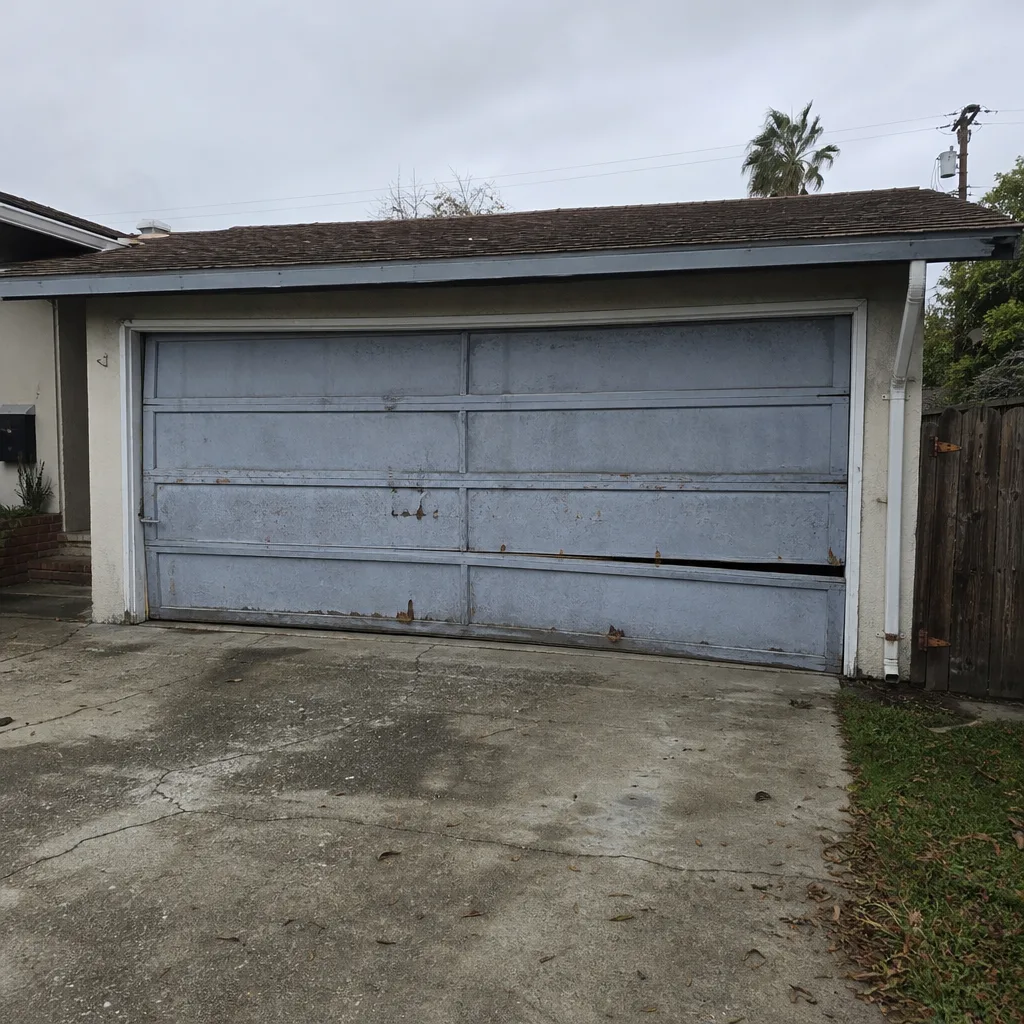 Before
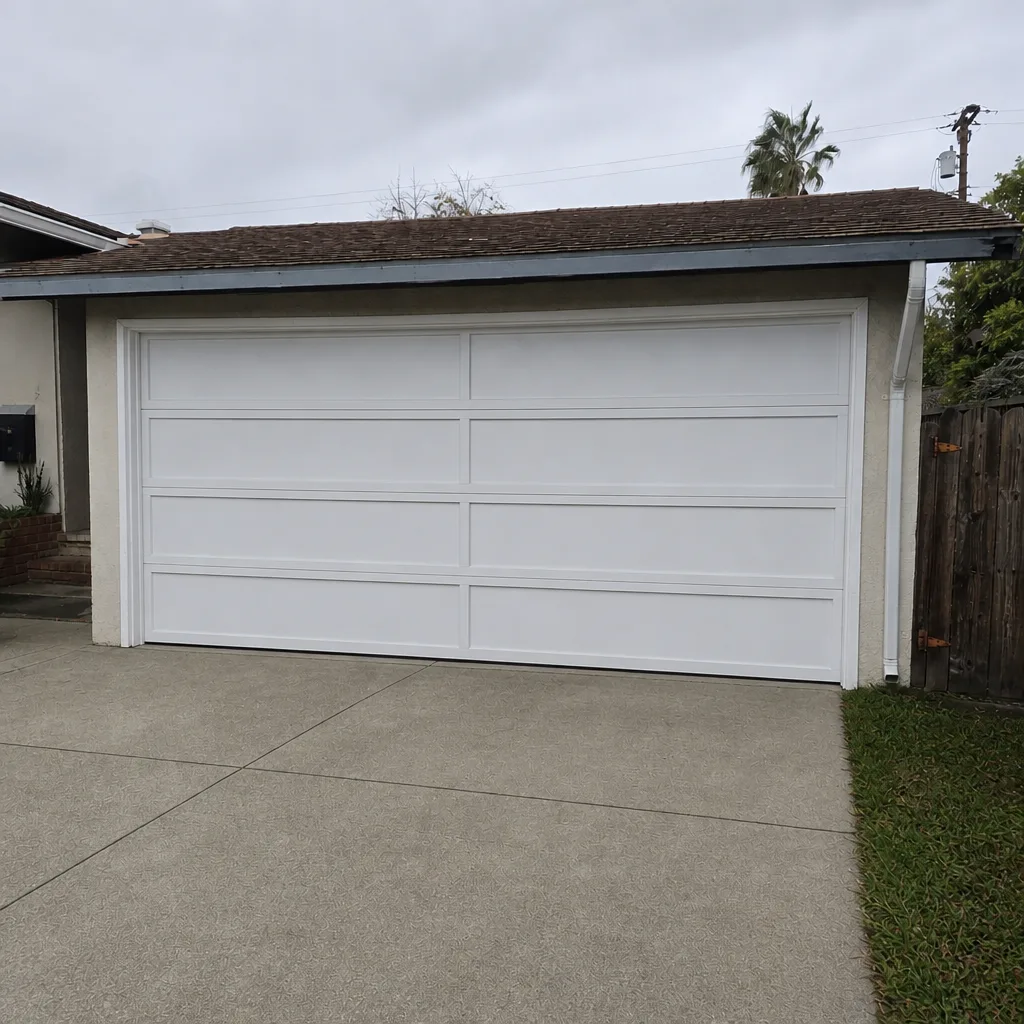 After
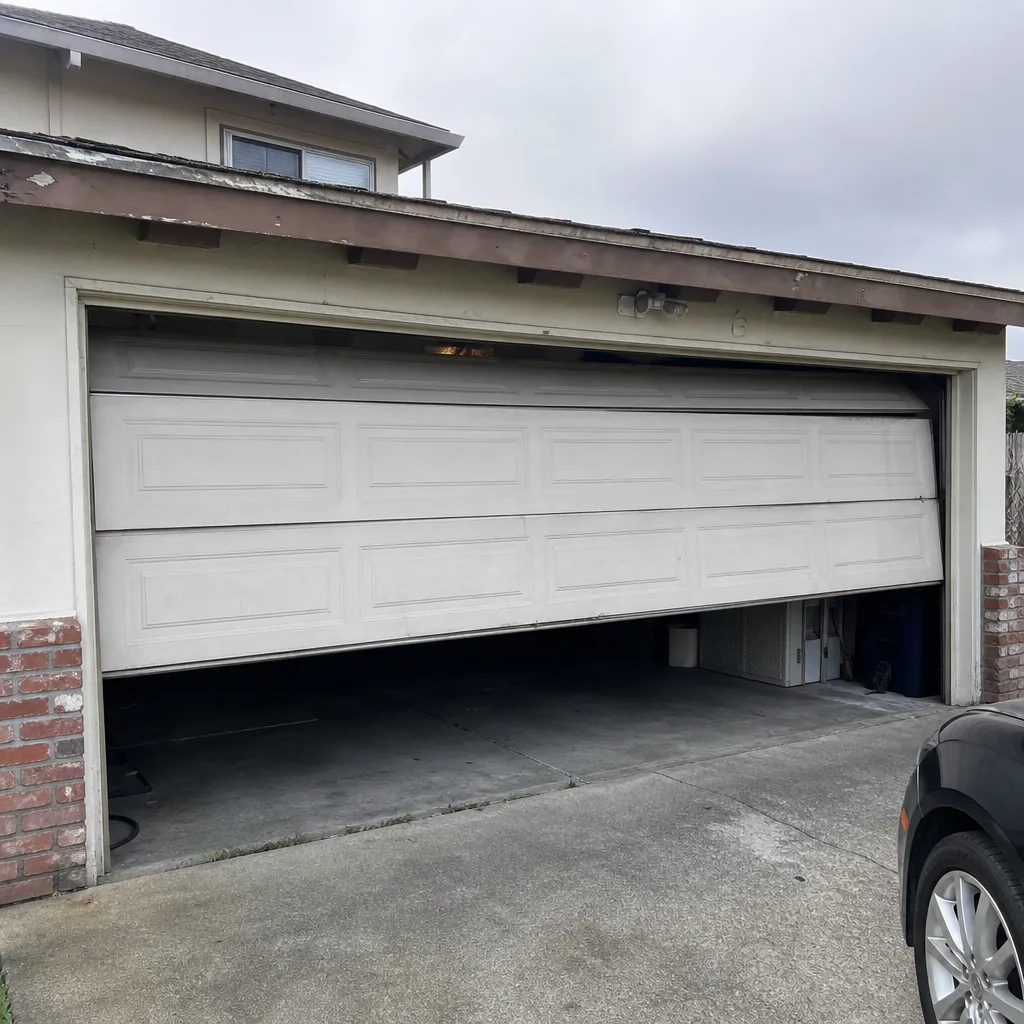 Before
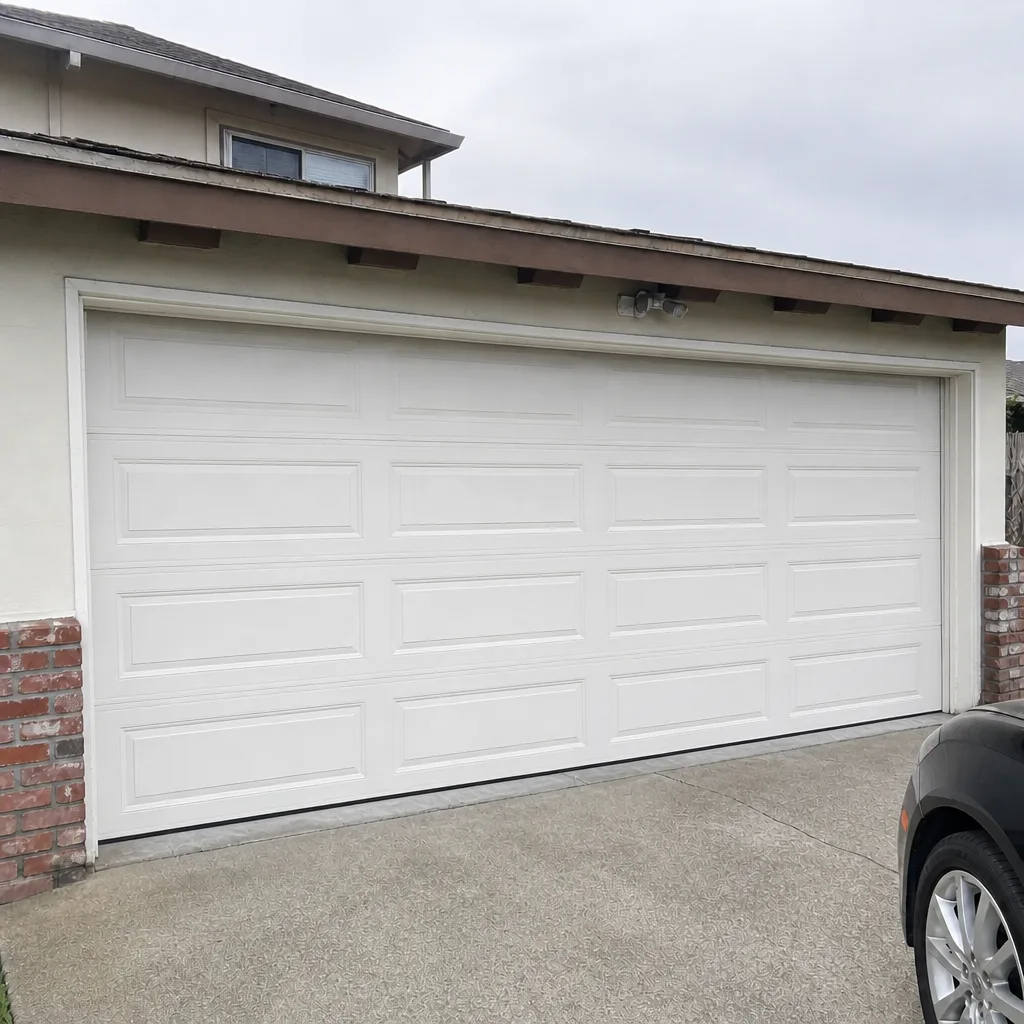 After
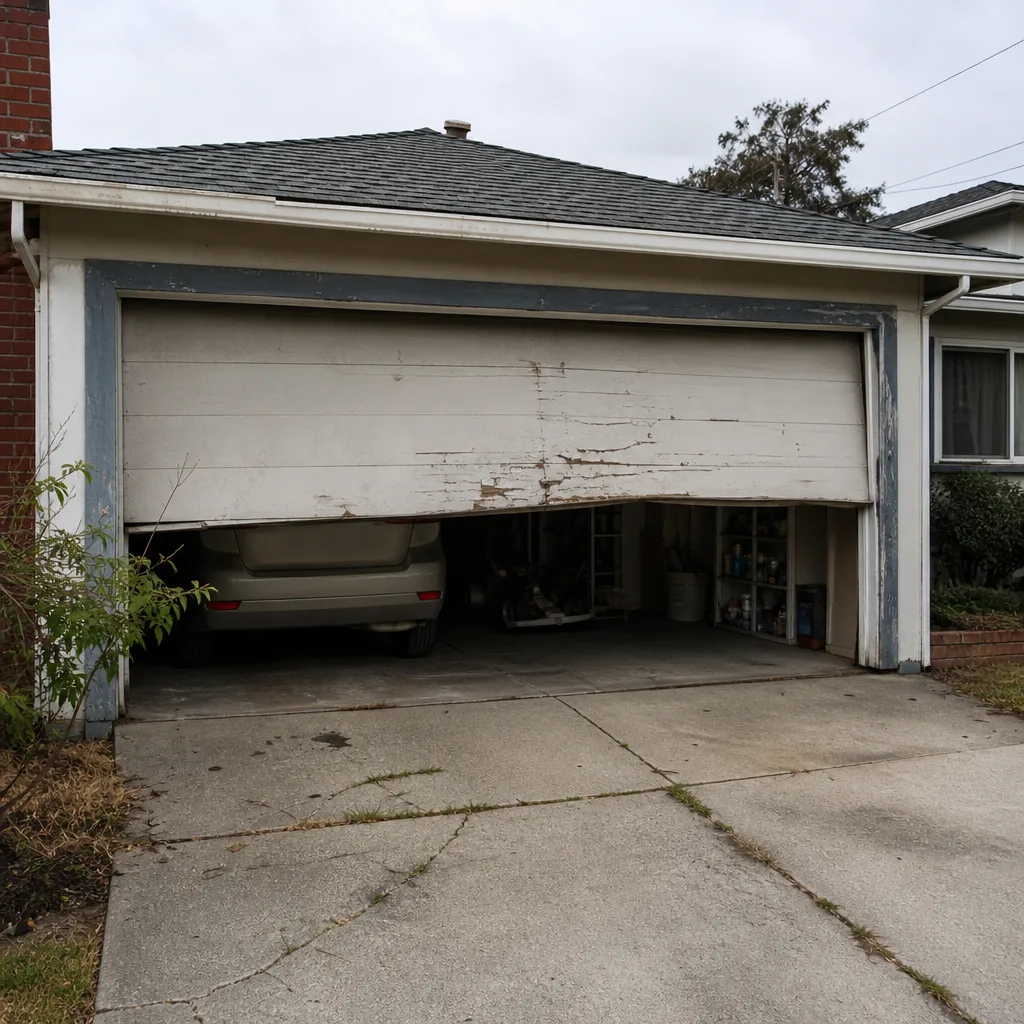 Before
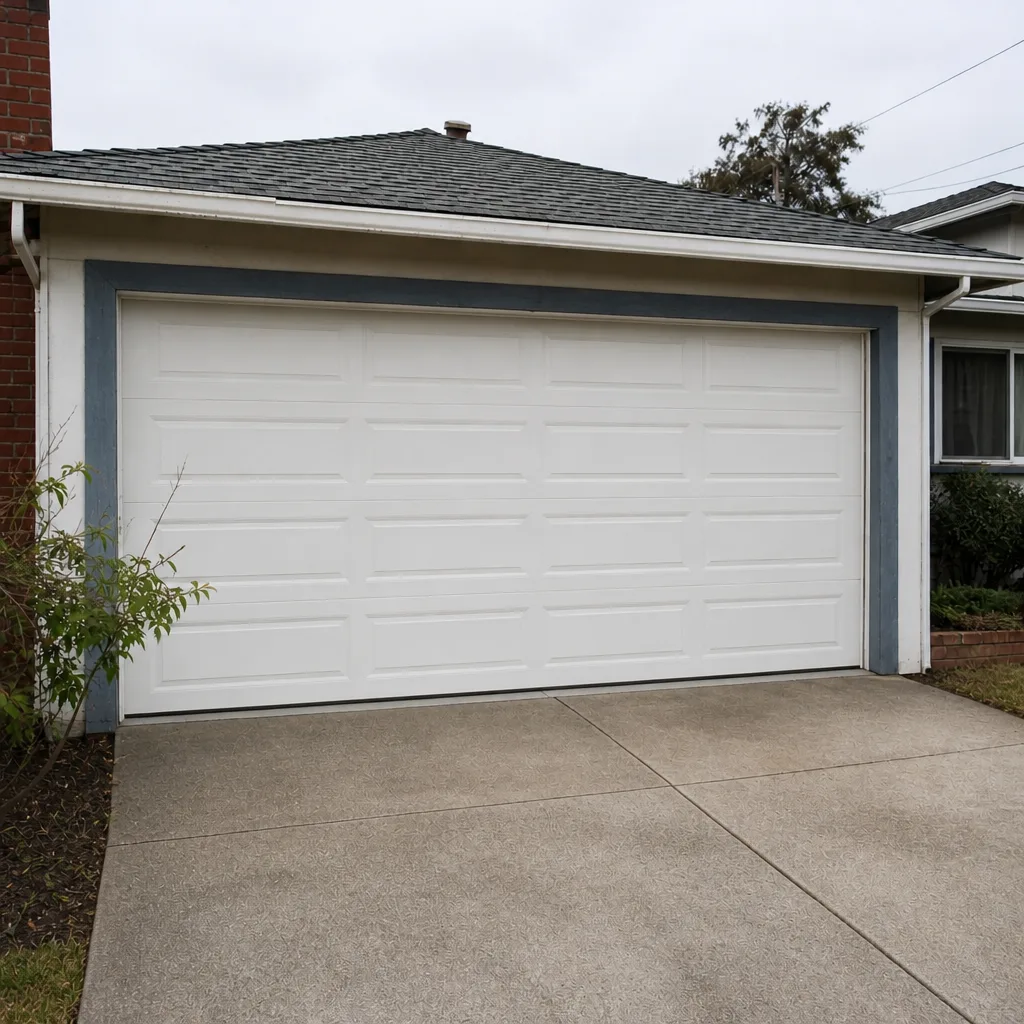 After