
Last updated November 14, 2026
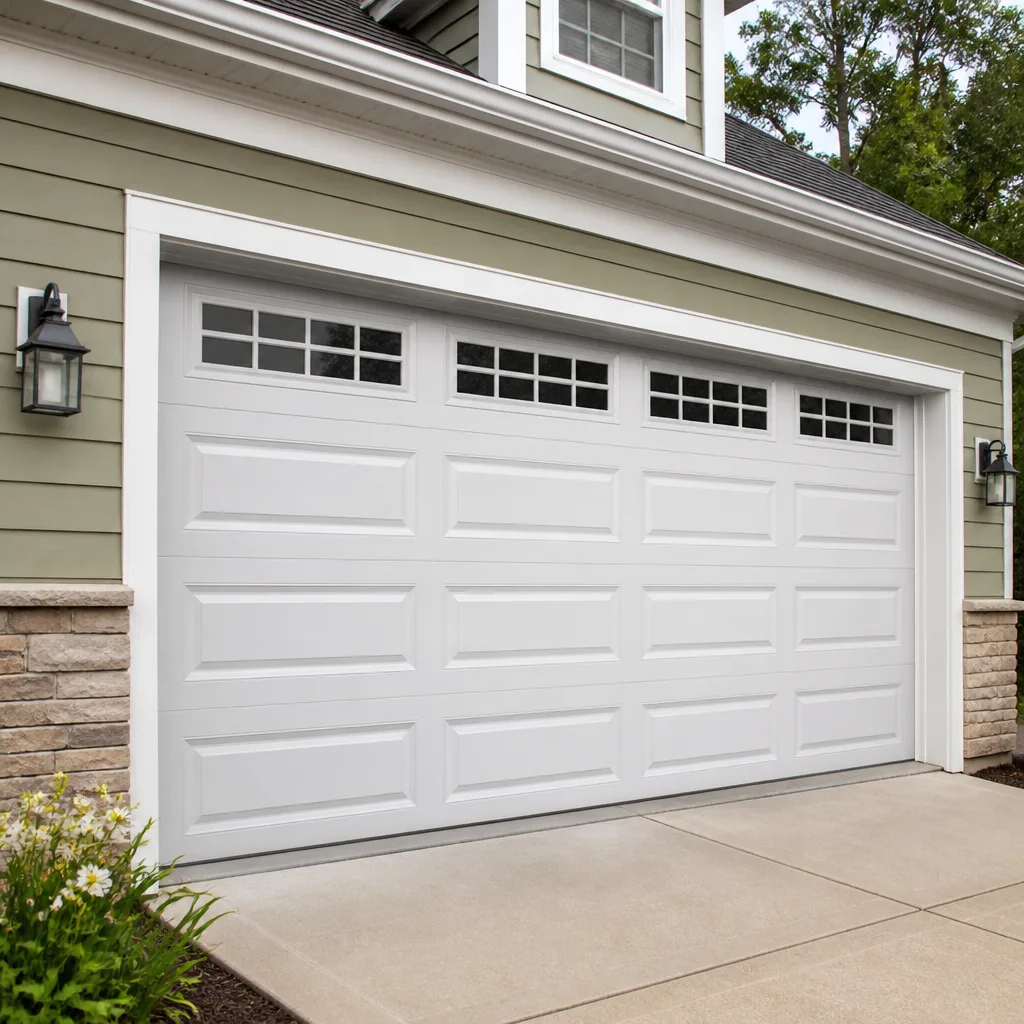 Raised-panel steel
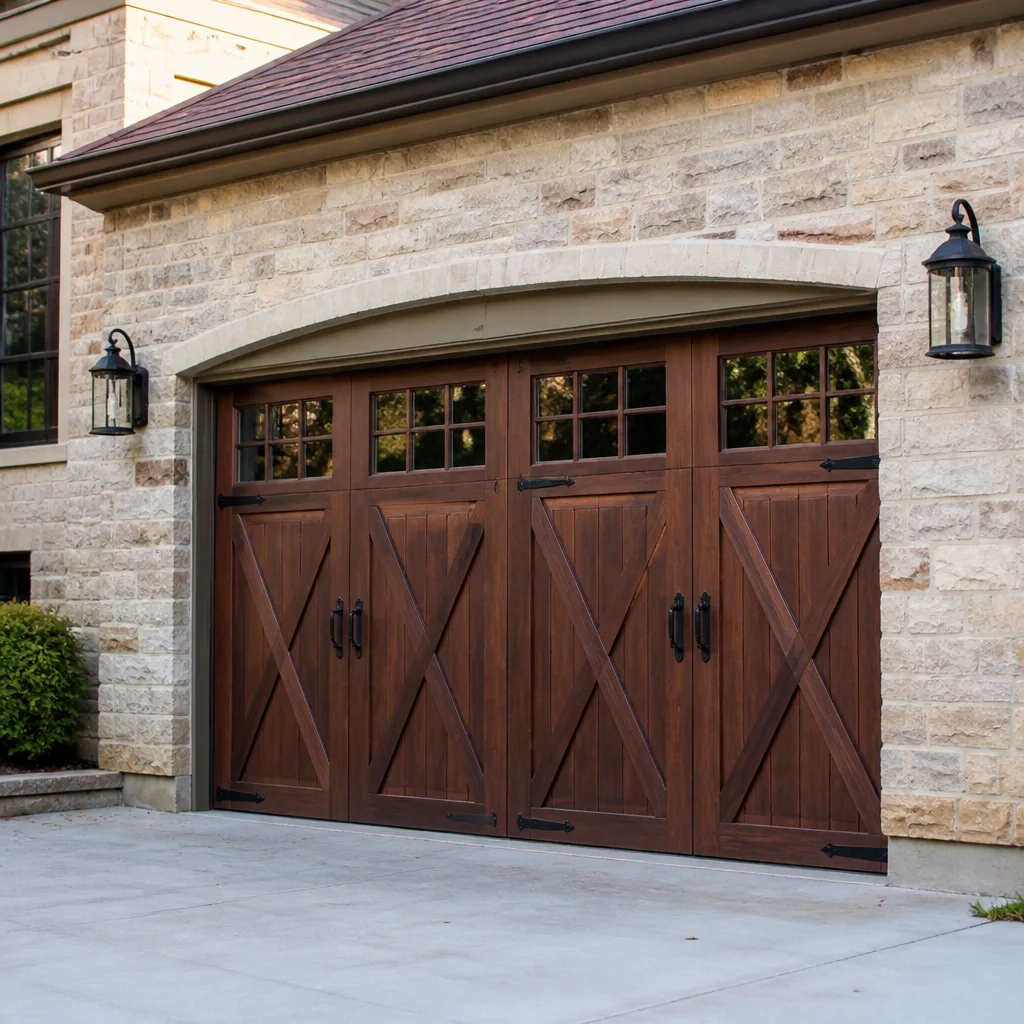 Carriage house
 Modern flush
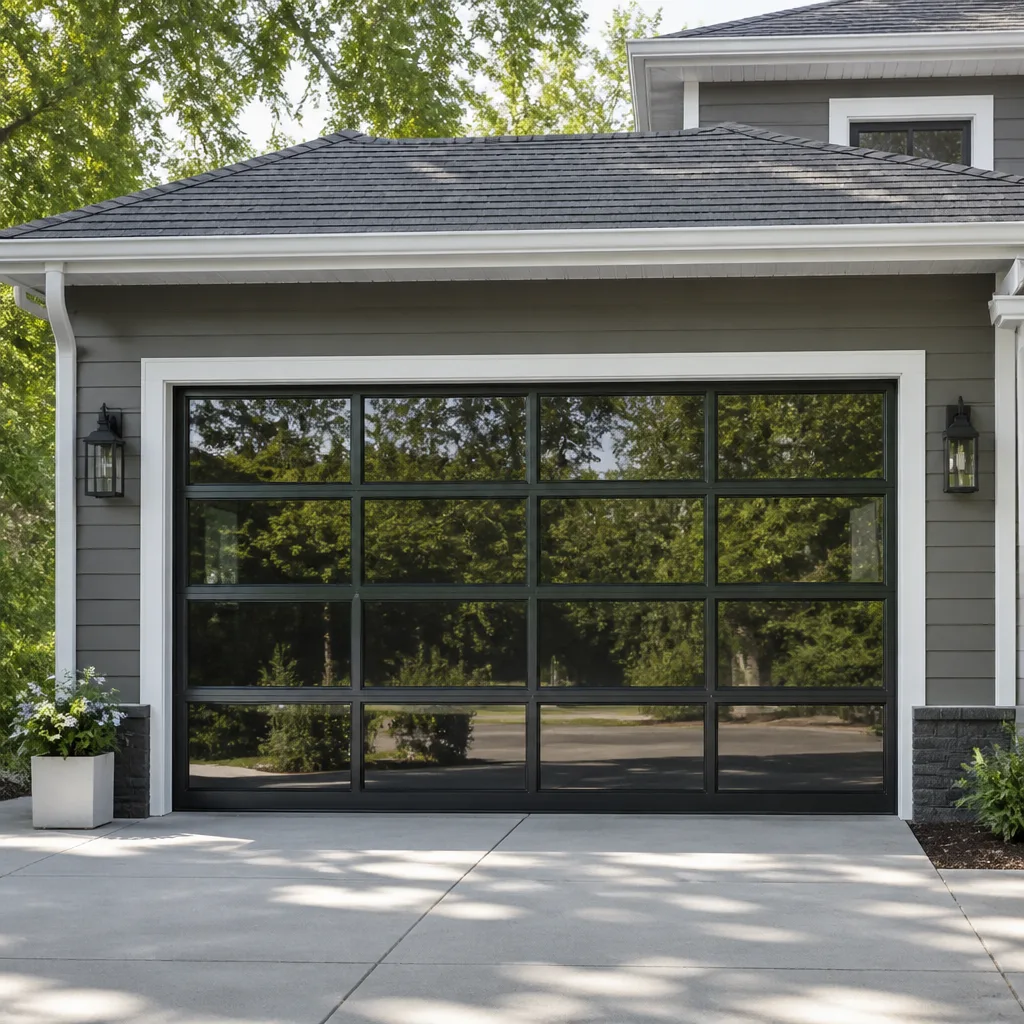 Full-view glass
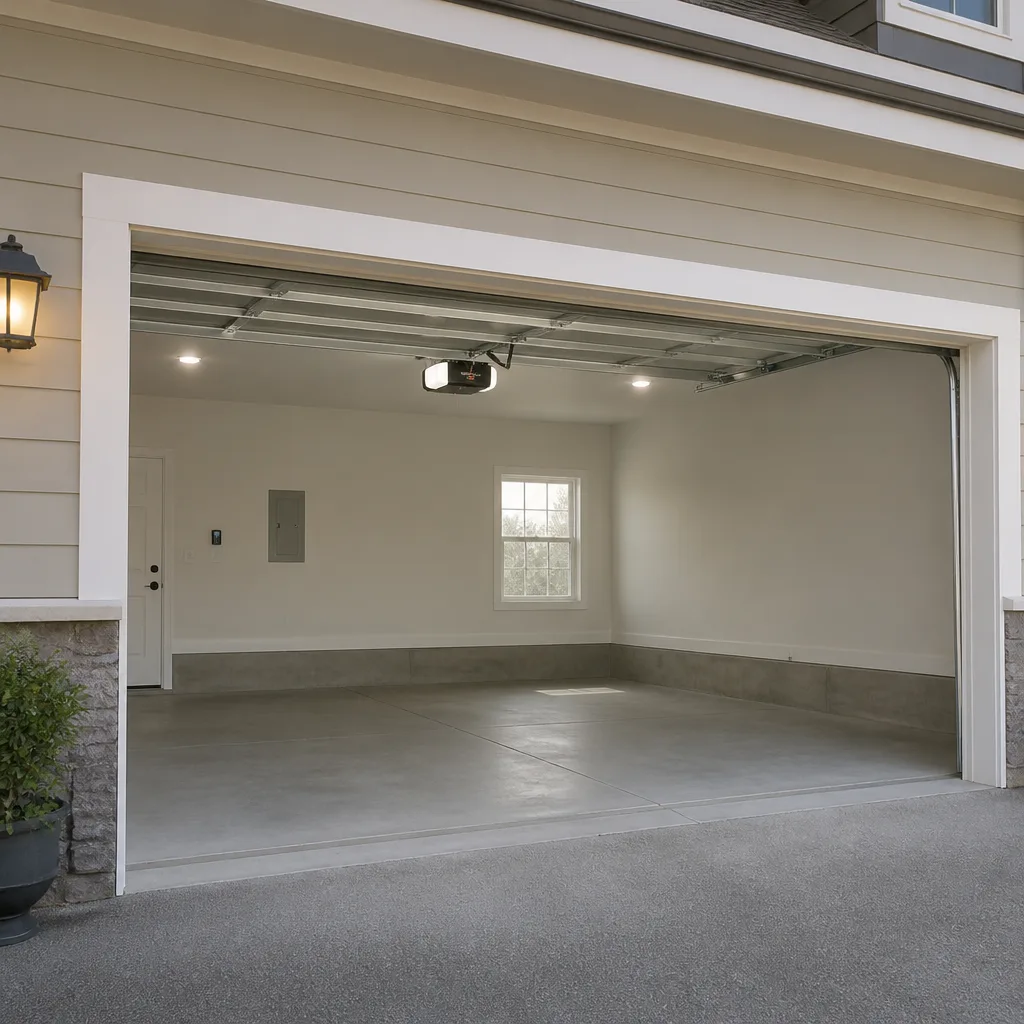 LiftMaster openers
 Chamberlain openers
Full 25-point door and opener safety check with every visit - springs, cables, rollers, tracks, and your LiftMaster or Chamberlain opener included
You get a price before we start. It does not change when the truck arrives.
Get your free estimateGarage Door Repair Maintenance Schedule: What to Do and When
Most garage door advice tells you to “tune up your door once a year and you’re fine.” That sounds tidy, and it’s mostly wrong. Your springs, rollers, hinges, and weather seal age on completely different clocks, so a single annual visit means you’re either servicing some parts months too early or catching others after the damage is already done. Rollers are the clearest example. They’re rated by cycle count, not by the calendar. A busy Richmond household that runs the door eight times a day reaches the end of a standard roller’s life in under three years, while a one-trip-a-day household can go more than a decade on the same set. This guide breaks maintenance apart by component and by actual use, so you service each part when it needs it.
Quick Answer
The right garage door maintenance schedule is built around how often you use the door, not around a single yearly appointment. Do a 10-minute visual check every quarter, lubricate moving parts once a year with a garage-door-specific lubricant (not white lithium grease), and plan on replacing finite-life parts like torsion springs, nylon rollers, and weather seals on a cycle-count and lifespan basis rather than by how they look. Springs and cables are the parts you should never touch yourself.
Styles & brands we work with
- Raised-panel steel
- Carriage house
- Modern flush
- Full-view glass
- LiftMaster openers
- Chamberlain openers
Table of Contents
- Why Cycle Count Beats Calendar Time
- The Quarterly 10-Minute Walk-Around
- The Annual Lubrication Protocol
- The 5-Year Hardware Audit
- Brand-Specific Maintenance Notes
- Opener and Safety Sensor Checks
- Common Mistakes to Avoid
- When to Call a Professional
Why Cycle Count Beats Calendar Time
A garage door “cycle” is one full open-and-close. Every component with a moving wear surface is rated in cycles, not years, and that’s the single most useful fact for planning maintenance. A torsion spring that’s rated for a set number of cycles will last twice as long in a home where the door runs four times a day as it will in one where it runs eight. The same logic applies to rollers, hinges, and the opener’s drive gear.
So the first step in any real schedule is figuring out your own usage. It takes a minute and it changes everything that follows.
- Count how many times your door opens and closes on a typical day. Don’t forget the morning departure, the return, and the times someone runs back inside for a forgotten item.
- Double that number. Each open-and-close pair is two cycles. A door opened and closed four times a day sees eight cycles daily.
- Multiply by 365 to get your annual cycle count. Eight cycles a day works out to roughly 2,920 cycles a year.
- Compare that to the rating of the wear parts on your door. A standard roller rated in the tens of thousands of cycles divides out to a replacement timeline in years.
The result is a personal schedule you can actually plan around. A Richmond household with kids, two cars, and a home office sees far more cycles per year than a retired couple with one car, and their doors need attention on different timelines even if they live on the same block. Once you know your cycles per year, divide the rated life of each part by that number and you have the year each component is due. That’s your maintenance calendar, and it beats a generic annual reminder by a wide margin.
The Quarterly 10-Minute Walk-Around
Most of the failures we see in Richmond were visible weeks before the door stopped working. A quarterly visual check catches the large majority of them, and it costs you ten minutes and no tools beyond a flashlight. Do it four times a year and put a reminder somewhere you’ll see it.
Here’s the walk-around:
- Cables. With the door closed, look at the cables running along each side. Frayed strands, a fuzzy look, or kinks mean the cable is failing. Don’t touch a cable under tension. Note it and call.
- Rollers. Open the door and look at the rollers in the track. A healthy roller is round and turns freely. A flat spot, a cracked wheel, or a wobble means it’s worn.
- Hinges and brackets. Check for looseness, rust, or a hinge that’s pulling away from the panel.
- Weather seal. Look at the rubber or vinyl at the bottom of the door. Cracks, a hard brittle feel, or daylight underneath means it’s time to replace it.
- Safety sensors. With the door open, wave an object across the sensor beam. The door should reverse immediately. If it doesn’t, stop and address it before anything else.
- Balance test. Disconnect the opener (pull the release handle only when the door is fully closed), lift the door halfway by hand, and let go. A balanced door stays put. One that flies up or slams down is out of balance and needs a technician.
That last step is where a lot of problems surface. In our experience, an out-of-balance door in Richmond often points to a spring that’s losing tension, and that’s a repair, not a DIY tweak. The point of the quarterly check isn’t to fix things yourself. It’s to catch the small stuff early, while it’s still a small job.
The Annual Lubrication Protocol
This is where most homeowners go wrong, and it’s usually the same mistake: white lithium grease. It’s the product most garages have on a shelf, and it’s the wrong choice for rollers and hinges. White lithium grease is thick, it grabs dust, and in a garage it turns into a gritty paste that wears rollers and tracks faster than no grease at all. Skip it.
What to use instead: a garage-door-specific spray lubricant, or a silicone-based lubricant, applied lightly. The goal is a thin film, not a coating. Too much lubricant collects dust and does the same damage as grease.
The annual protocol, once a year:
- Rollers: a light spray on the bearings, not the wheel surface. If rollers have sealed bearings, a drop is enough.
- Hinges: one short spray at each pivot point. Wipe the excess.
- Springs: a light coat on the coils to reduce friction and slow corrosion. Never wind or unwind a spring yourself. Lubricating the surface is fine; adjusting tension is not.
- Track: wipe the track clean with a damp cloth. Don’t grease the track itself. Grease in the track attracts dirt and causes the rollers to drag.
- Opener rail and chain or belt: follow the manufacturer’s guidance for your specific opener. Some chains want a specific lubricant, some belts want none at all.
Richmond’s mild climate is gentle on doors compared to colder parts of the country, which means you’re not fighting ice and road salt. But mild and damp still corrodes steel over time, so the annual lubrication step matters here. A light film on the springs and hinges keeps rust from getting a foothold. If you’ve never lubricated the door and it’s been years, don’t overdo it to catch up. One proper application is better than three heavy ones.
The 5-Year Hardware Audit
Some parts wear out on schedule no matter how good they look. The five-year mark is the point to stop trusting appearance and check the parts with finite lifespans. A torsion spring can look perfectly fine right up until the moment it breaks, because the wear happens inside the wire, not on its surface.
The parts to audit at the five-year point, and why:
- Torsion springs. The wire fatigues with every cycle, and that fatigue is invisible from the outside. A spring past its rated cycle life should be replaced before it fails, and springs are almost always replaced as a matched pair. One spring failing usually means the other is close behind.
- Nylon rollers. The nylon core cracks and flattens before the roller looks obviously broken. A roller that’s out of round drags in the track and strains the opener.
- Weather seal. The rubber at the bottom of the door compresses and hardens over time. A seal that’s lost its flex lets in drafts, dust, and pests, and it’s one of the cheapest parts to replace.
- Hinges. Steel hinges develop play at the pivot points, and the door starts to sag or rattle.
- Cables. Cables fray over time from normal use and are a safety part, not a service item you defer.
If your door is close to or past five years old and has never had a hardware audit, that’s a good reason to book one. It’s not about selling you parts you don’t need. It’s about replacing the ones with a known lifespan before they strand you. For a Richmond door that’s run hard for years, the audit often finds two or three items worth addressing together, which is more efficient than three separate service calls.
Brand-Specific Maintenance Notes
Maintenance isn’t one-size-fits-all, and the biggest reason is the hardware itself. A door and opener from one manufacturer has different wear points, different tension settings, and different lubrication needs than a system from another. This is where a brand-aware approach beats a generic checklist, and it’s a big part of how we work at Silverline Garage Door Repair.
A few examples of how the maintenance changes by brand:
- Opener drive types. A chain-drive opener needs its chain tension checked periodically and a specific lubricant on the chain. A belt-drive opener runs quieter and generally needs less lubrication, but the belt has its own wear check. Treating them the same is a common mistake.
- Door panel hinges. A Clopay door’s hinge points may need attention at different spots than a Wayne Dalton door of the same size. Greasing the wrong pivot does nothing for the one that’s actually wearing.
- Hardware age. An Amarr door and a Genie opener each have their own service intervals tied to the components inside them, not to a universal schedule.
The practical takeaway: know what you own. Write down the make and model of your door and your opener and keep it near the door. When you call for service, that information lets a technician show up knowing what they’re working on, which is faster and more accurate than diagnosing from scratch. We work on LiftMaster, Chamberlain, Genie, Clopay, Amarr, Wayne Dalton, Craftsman, and Raynor systems, and we build the maintenance schedule around the specific equipment on your door. That’s the difference between a generic tune-up and garage door repair that actually matches your system.
Opener and Safety Sensor Checks
The opener is the part most homeowners treat as a black box: it works until it doesn’t. In reality it has its own maintenance rhythm, and a few checks twice a year keep it running far longer. The safety sensors deserve the most attention because they’re both a maintenance item and a safety system.
The sensor check is worth doing monthly, and it takes seconds:
- Open the door and stand clear of the path.
- Pass an object through the sensor beam near the floor.
- The door should stop and reverse. If it doesn’t, don’t use the door until it’s fixed.
- Wipe the sensor lenses. Dust and cobwebs are the most common cause of false triggers.
Beyond the sensors, listen to the opener. Grinding, a strain at the start of the cycle, or a door that hesitates are all early signs. If the opener is struggling, it’s usually a symptom of a door that’s out of balance rather than an opener on its way out, which is why we check the door first. For opener issues specifically, our garage door opener repair work is a specialty, and diagnosing the drive system before replacing it saves a lot of money. If your opener is older and on its way out, the decision between repair and replacement is its own conversation, but the maintenance checks are the same either way.
Common Mistakes to Avoid
- Using white lithium grease on rollers and hinges. It collects dust and turns into an abrasive paste. Use a garage-door-specific or silicone lubricant instead, and apply it lightly.
- Greasing the track. The track should stay clean and dry, not lubricated. Grease in the track makes rollers drag and skip.
- Replacing one torsion spring when the other is due. Springs are replaced as a matched pair. Swapping one and leaving the other is a false economy, because the second one is usually close behind.
- Adjusted the springs yourself. Torsion springs and cables are under high tension and can cause serious injury. This is one part of maintenance to leave to a trained technician, always.
- Waiting for a symptom before the first service. A door that’s quiet and smooth can still be past the lifespan of its springs. The hardware audit exists to catch that before it fails.
- Ignoring the safety sensors because the door “works fine.” A sensor that’s drifted and stopped reversing is a safety failure, even when the door opens and closes normally.
- Skipping the annual lube because the door looks clean. Richmond’s mild weather is gentle on doors, but steel still corrodes and moving parts still wear. A little lubrication once a year goes a long way.
When to Call a Professional
Most of the schedule above is designed for you to do yourself. But some items need a pro, and a few are genuinely dangerous to handle. Call a technician for anything involving torsion springs, cables, or a door that’s out of balance, and for any sign of a frayed cable. These parts are under high tension and a mistake can cause serious injury, so we never recommend adjusting them yourself. Also call if the door reverses when it shouldn’t, if the opener grinds or stalls, or if a hardware audit turns up a part that’s past its lifespan. In Richmond, Silverline Garage Door Repair offers free estimates. We answer 24/7, and fast dispatch runs from 7am to 7pm. Call (833) 519-3675 to book a maintenance visit or a repair.
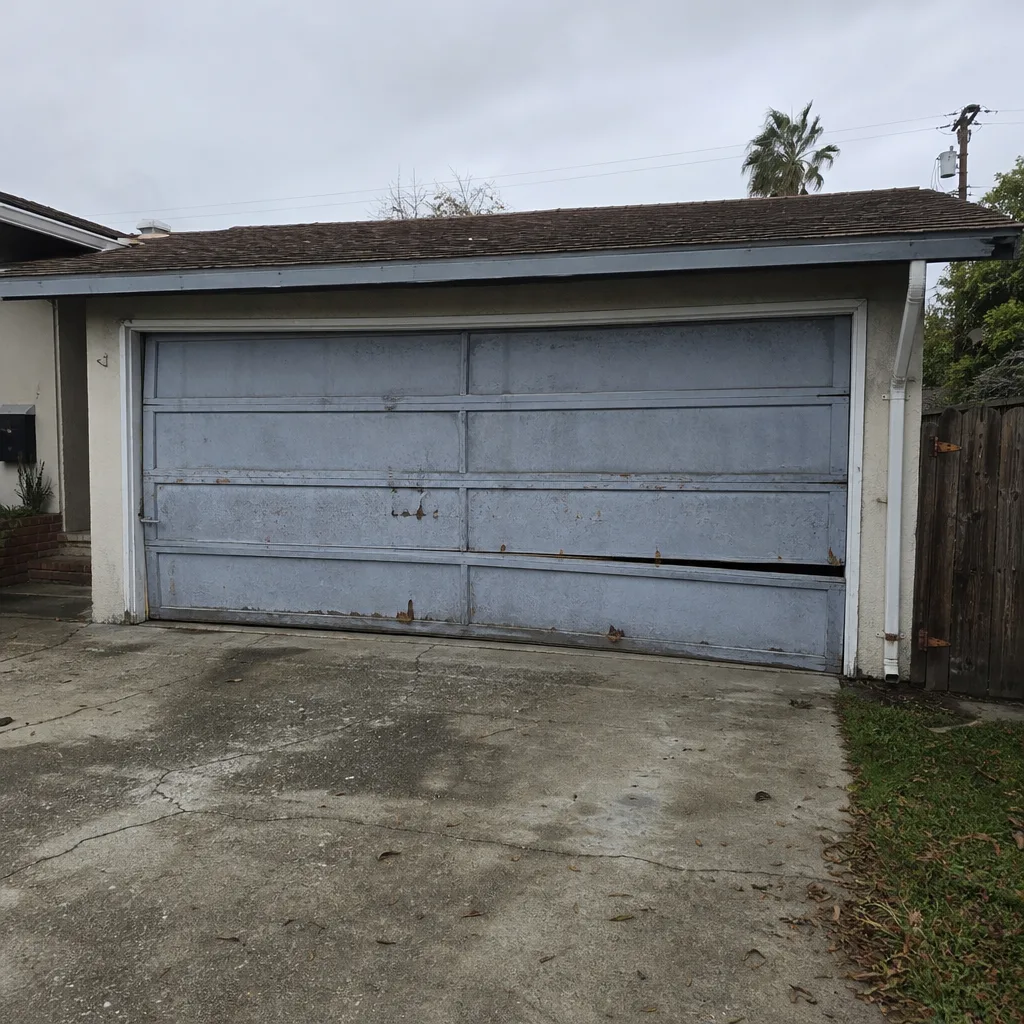
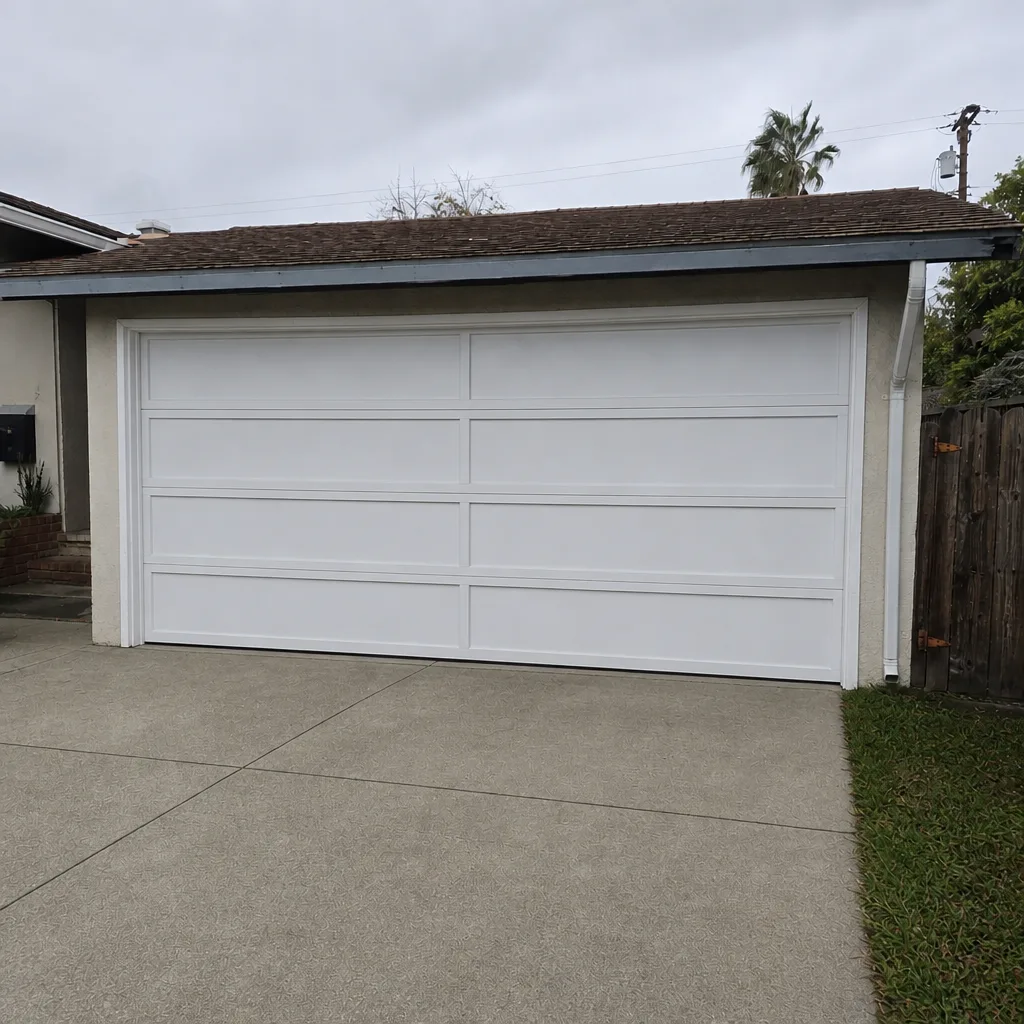
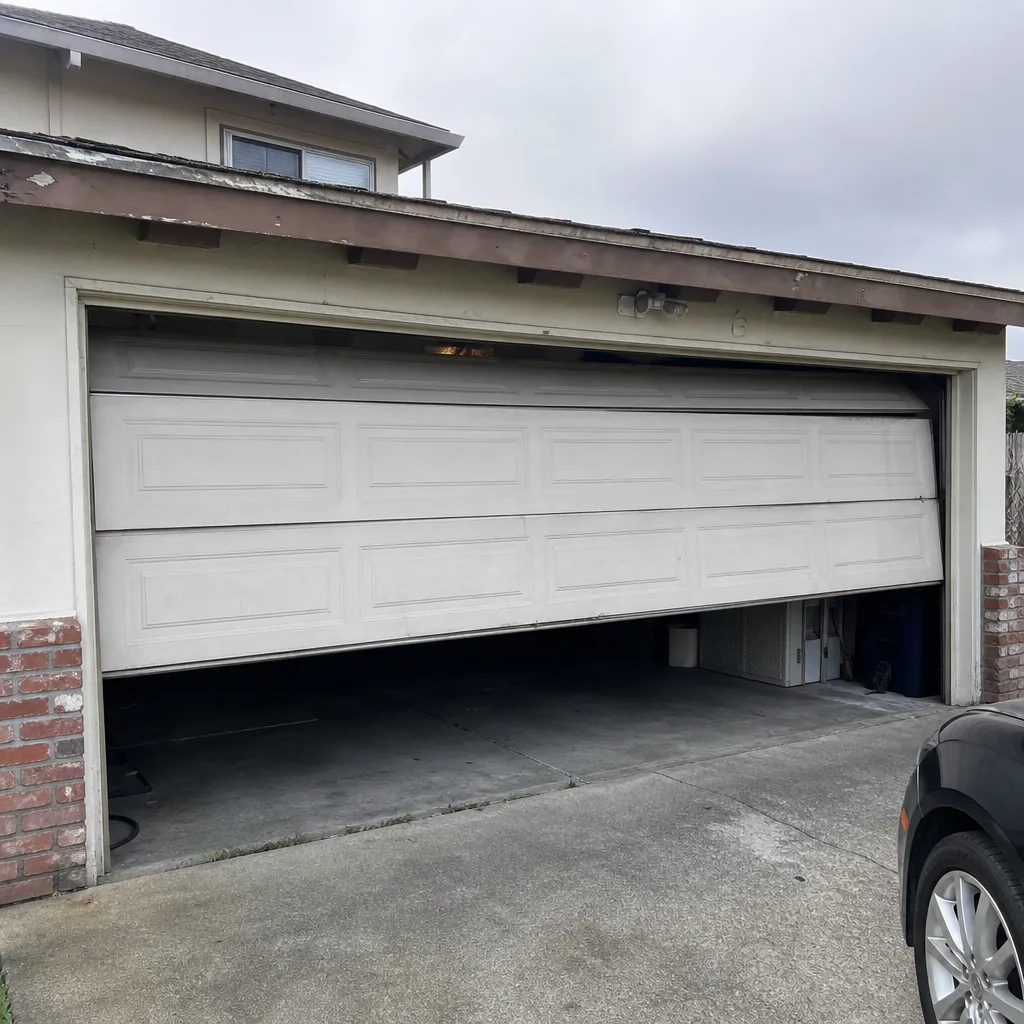
See the difference
 Before
 After
 Before
 After
 Before
 After
Frequently Asked Questions
Do a visual check every quarter, lubricate once a year, and schedule a hardware audit around the five-year mark, adjusted for how often you use the door. The key variable is your cycle count. A door that opens and closes eight times a day needs parts replaced sooner than one that runs once a day.
Count the number of times the door opens and closes on a typical day, double it for cycles (each open-and-close is two), and multiply by 365 for your annual total. Divide the rated cycle life of each part by that number to see how many years you have before it’s due. It’s an estimate, but it’s a far better planning tool than a fixed annual reminder.
Use a garage-door-specific spray or a silicone-based lubricant, applied in a thin film. Avoid white lithium grease, which collects dust and turns into a gritty paste that wears the rollers. Don’t lubricate the track itself; keep it clean and dry. If you’re unsure what your specific opener’s manufacturer recommends, call us and we’ll tell you for your system.
Maintenance pricing depends on what your door actually needs, so it’s quoted per job by a written estimate rather than a flat fee. The estimate is free, and the price is agreed before any work starts, so there’s no surprise on the invoice. Call (833) 519-3675 for an exact quote. Estimates are free.
Same-day service is available for repairs. We answer 24/7, with fast dispatch from 7am to 7pm, Sunday through Friday. A call outside dispatch hours is booked into the next opening. Call (833) 519-3675 to get on the schedule.
It’s thick, it grabs dust, and inside a garage it hardens into an abrasive paste that wears rollers and tracks faster than if you’d left them dry. A garage-door-specific or silicone lubricant does the job with a thin film. If your rollers already feel gritty, it’s worth having a technician check them.
The Bottom Line
The single annual tune-up is a convenience, not a schedule. Your garage door’s parts age on different timelines, and the useful question is when each one is due. Do the 10-minute quarterly check to catch the visible problems early. Lubricate once a year with the right product, and skip white lithium. Audit springs, nylon rollers, and weather seals around the five-year mark, and call a professional for anything touching springs or cables. Match the maintenance to your brand and your actual usage, and the door lasts longer and fails less often. Silverline Garage Door Repair is here in Richmond to help with the parts of the schedule you shouldn’t do yourself.
Written by the team at Silverline Garage Door Repair, serving Richmond since 2012.