
Last updated November 14, 2026
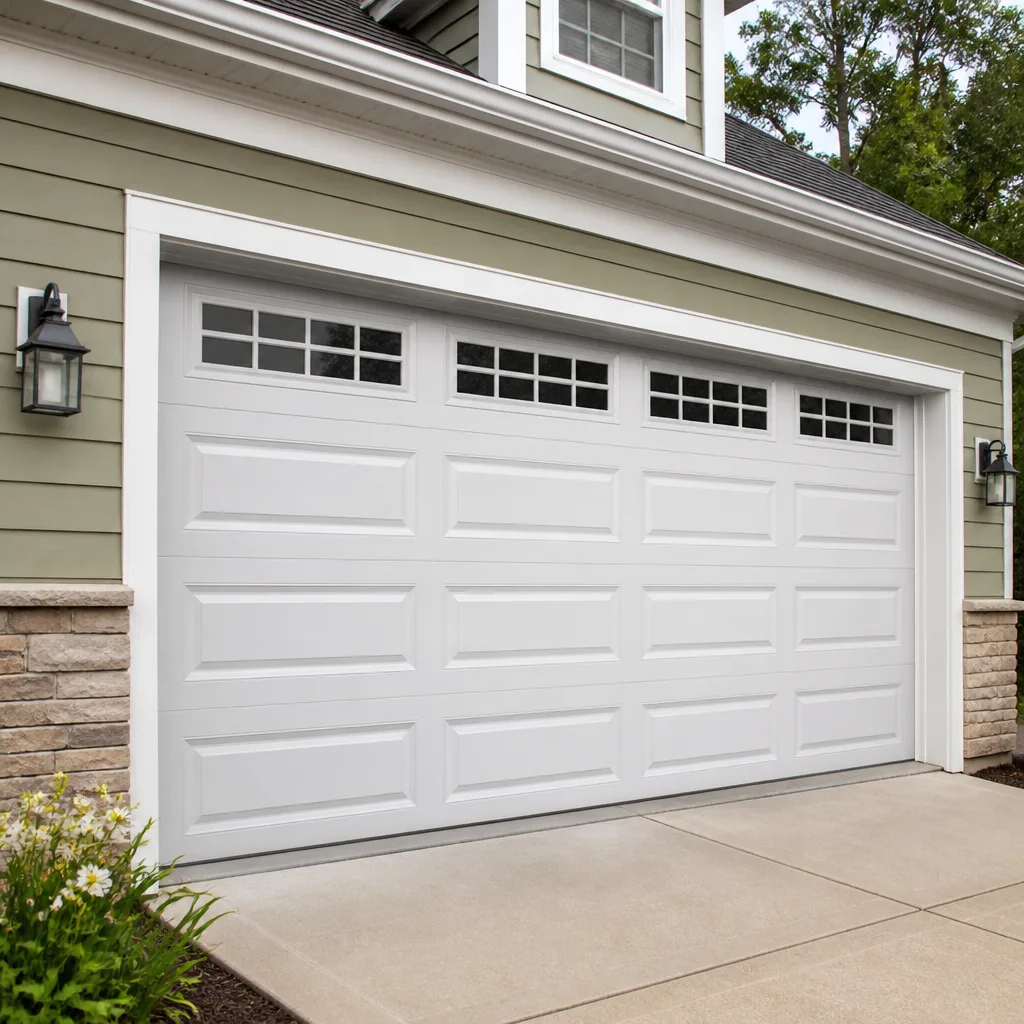 Raised-panel steel
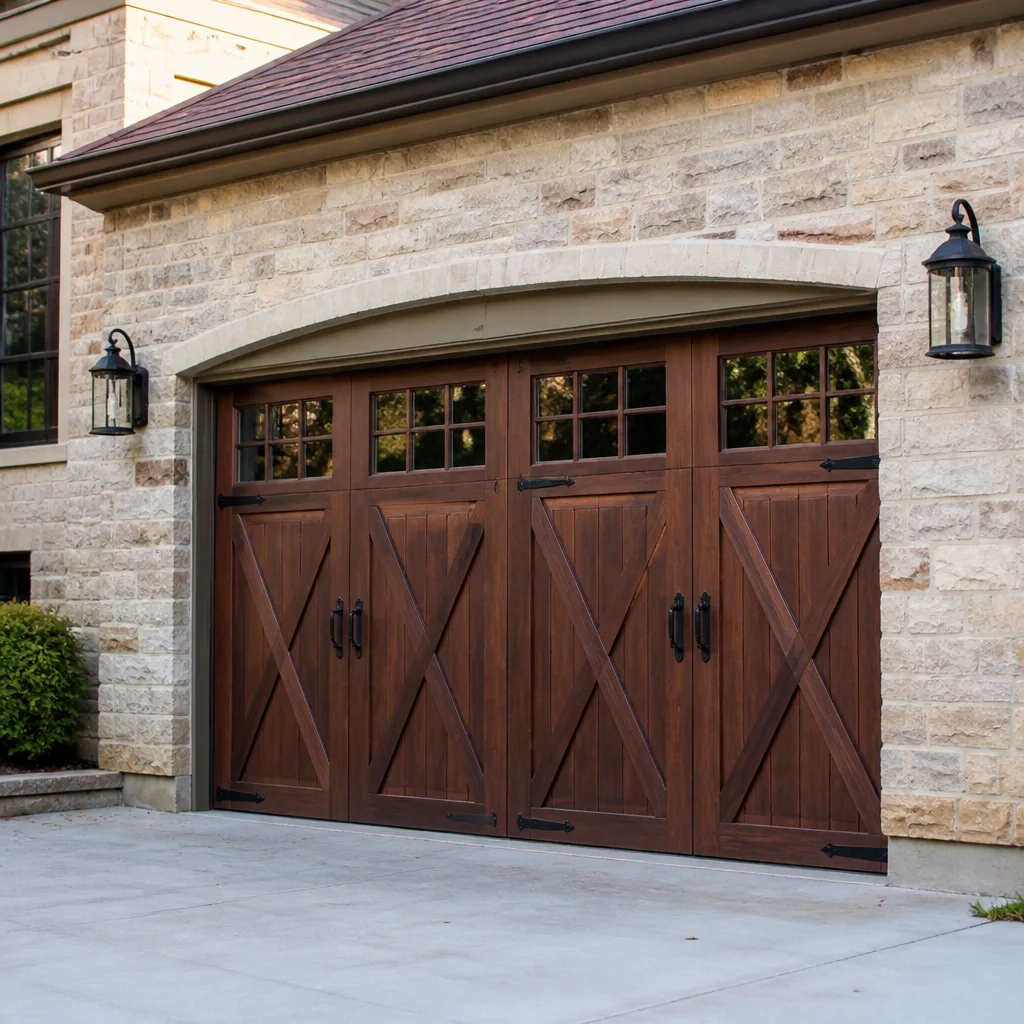 Carriage house
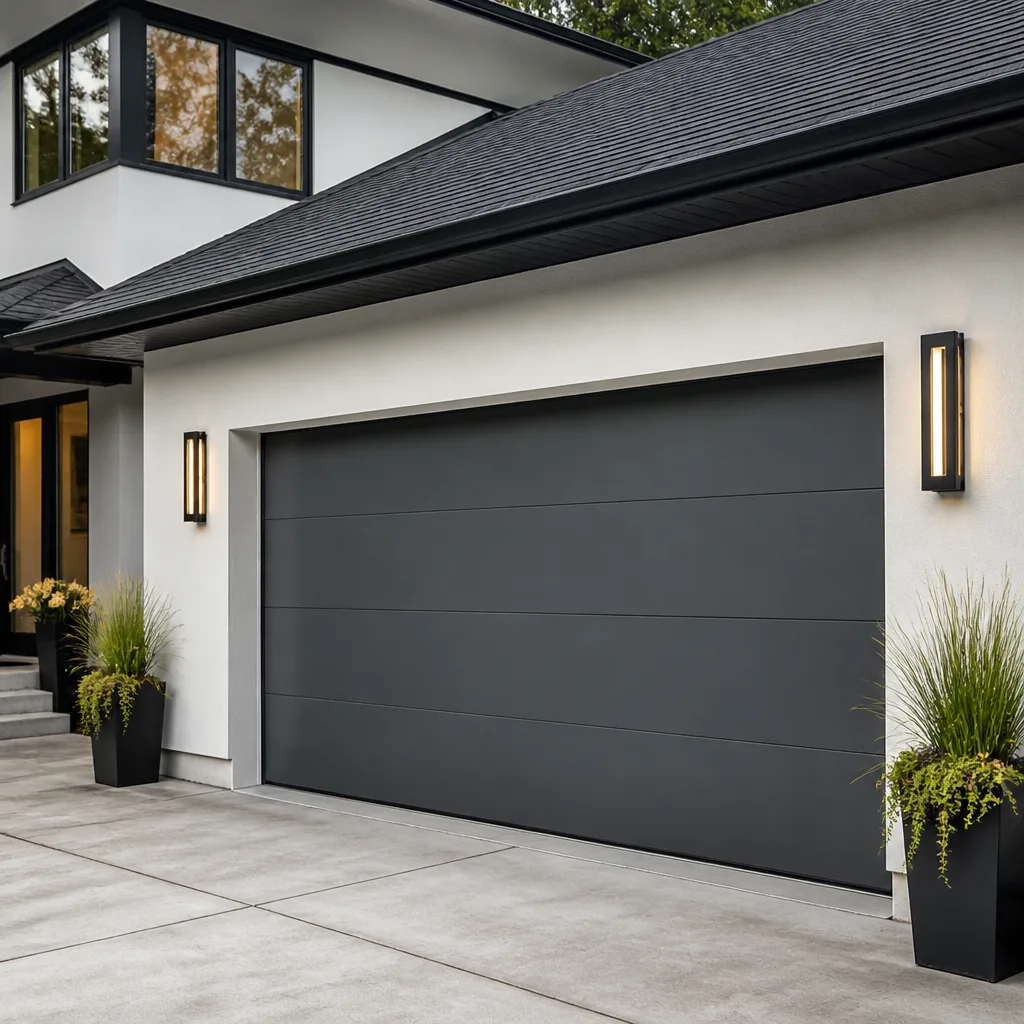 Modern flush
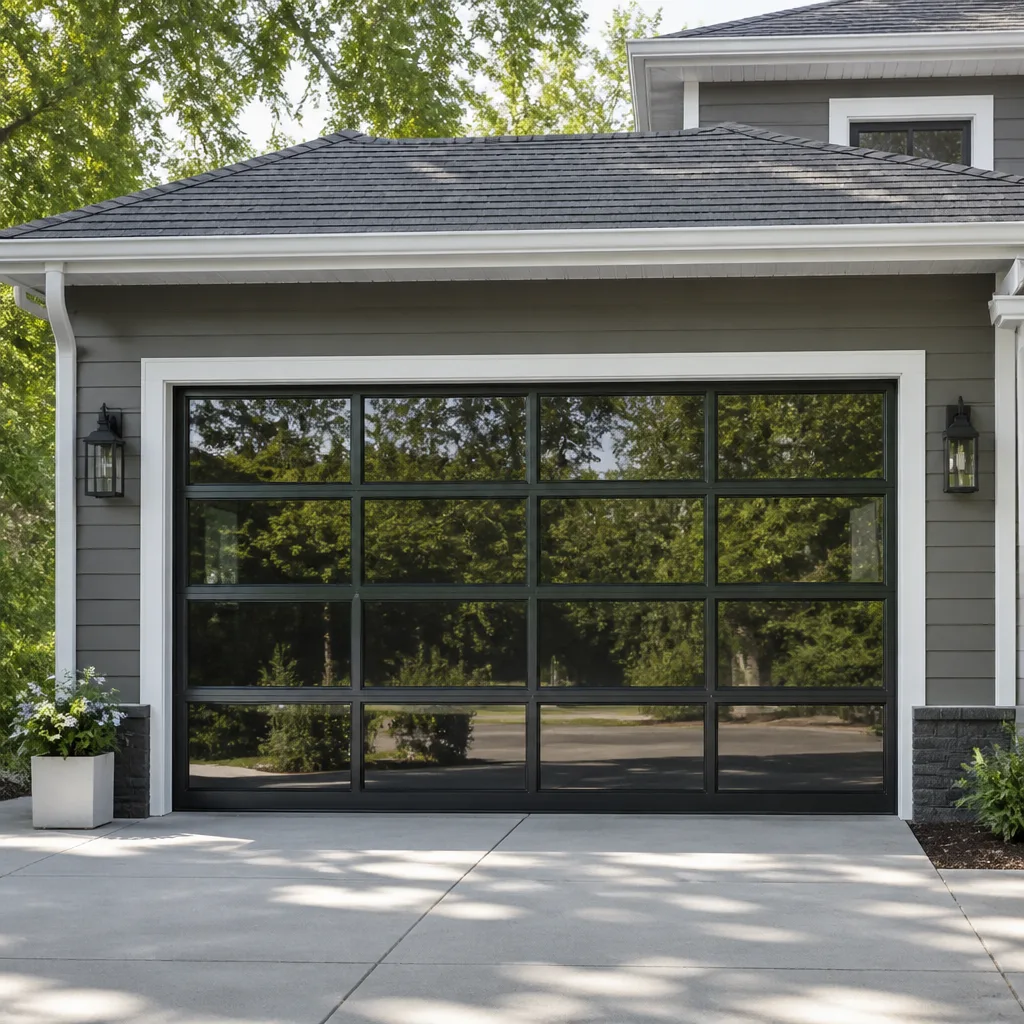 Full-view glass
 LiftMaster openers
 Chamberlain openers
Full 25-point door and opener safety check with every visit - springs, cables, rollers, tracks, and your LiftMaster or Chamberlain opener included
You get a price before we start. It does not change when the truck arrives.
Get your free estimateGarage Door Cost Breakdown: The Richmond Homeowner’s Reference for 2026
Here’s a number that surprises most Richmond homeowners: a torsion spring replacement often gets quoted around $150-$350. If you’ve had a spring snap and called around, you may have heard figures well north of that. That gap isn’t a scam. It’s the difference between a national average and what it actually costs to put the right part on the right door in the Bay Area. Richmond sits in a labor market where wages run higher than most of the country, and Contra Costa County permit fees add another layer that national pricing guides never account for. In this reference we’ll walk through real line items for 2026: springs, cables, rollers, panels, openers, and full replacements. We’ll point out the hidden charges that inflate some quotes, explain how door weight and brand change your part cost, and show you how to collect three bids that actually cover the same work.
Quick Answer
In Richmond in 2026, most repairs land between $180 and $650, and a full door replacement typically runs $1,800 to $4,500 depending on size, insulation, and brand. The price you pay should be set by a written estimate agreed before any work starts, and the biggest swing factors are door weight, brand-specific parts, and whether cables or drums get replaced along with the spring.
Styles & brands we work with
- Raised-panel steel
- Carriage house
- Modern flush
- Full-view glass
- LiftMaster openers
- Chamberlain openers
Table of Contents
- Why Richmond Repairs Cost More Than the National Average
- Itemized Repair Costs for Richmond in 2026
- The Hidden Line Items That Inflate a Quote
- What Drives Part Costs: Weight, Insulation, and Brand
- Opener Repair and Replacement Costs
- Repair vs. Replace: When the Math Actually Pencils Out
- How to Get Three Comparable Quotes Using a Scope Sheet
- Common Mistakes to Avoid
Why Richmond Repairs Cost More Than the National Average
National cost guides are built from data averaged across the whole country. That averaging hides a lot. A technician’s wage in Richmond is simply higher than in most of the U.S., and that wage is the largest single line in most repair bills. Add insurance, vehicle costs, and the overhead of running a legitimate, licensed operation in the Bay Area, and you get a pricing floor roughly 30-40% above the national figure before a single part is factored in.
Contra Costa County permit fees are the second piece. Some jobs that involve structural changes or a new door with a different opening size require a permit. The fee isn’t enormous, but whether a contractor folds it into the quote or itemizes it is one of the quiet ways two bids can look different when they aren’t.
Then there’s the housing itself. Richmond covers a wide range of home styles. Older homes in neighborhoods near the waterfront often have lighter, wood-frame doors with standard hardware. Homes in the hill neighborhoods tend to have heavier insulated doors that need a correctly spec’d spring, and getting the spec wrong shortens the spring’s life and risks damage. A heavier door means a thicker wire gauge spring or a different pair entirely, and that changes the part cost.
None of this means you should expect the worst. It means the honest range here starts higher than the number you’ll find on a national site, and you’re better off knowing that before you start calling.
Itemized Repair Costs for Richmond in 2026
Here’s where a guide earns its keep. Below are typical, estimated ranges for the most common jobs in Richmond this year. These are starting points for a conversation, not a quote. The written estimate is what sets your final price.
| Job | Typical Richmond Range (2026) | What’s Included |
|---|---|---|
| Torsion spring replacement (one spring) | $280-$420 | Spring, labor, tension calibration, safety check |
| Torsion spring replacement (matched pair) | $480-$780 | Two springs replaced together, as is standard |
| Extension spring replacement (one) | $180-$300 | Spring, safety cables, labor |
| Cable replacement (one side) | $200-$350 | Cable, drum inspection, re-tensioning |
| Cable drum replacement | $250-$450 | Drum, cable, labor |
| Roller replacement (set) | $180-$320 | Nylon or steel rollers, track check |
| Panel replacement (single section) | $350-$700 | Matched panel, color match, install |
| Opener repair (motor, board, or gear) | $200-$450 | Diagnosis, brand-specific part, testing |
| Full opener replacement | $450-$900 | Unit, rails, remotes, wall control, safety sensors |
| Full door replacement | $1,800-$4,500 | Door, hardware, tracks, springs, haul-away |
Two things worth noticing. First, a spring price covers one spring. Matched pairs are usually replaced together because a new spring paired with a tired one puts uneven load on both. A pair costs about twice the single spring price, and that’s normal. Second, a spring failure often exposes worn cable drums at the same time. If your quote includes drums, ask why. Sometimes it’s because they’re genuinely worn. Sometimes it’s an upsell. A good technician will show you the drum and explain.
We work on these repair calls across Richmond and can usually tell you on the phone whether your symptoms sound like a spring, a cable, or something else. That helps you budget before anyone arrives.
The Hidden Line Items That Inflate a Quote
Most of the difference between a $900 quote and a $2,400 quote comes down to line items the customer never thought to ask about. Here are the ones that show up most often in this market.
- Haul-away fees. A full door replacement produces a lot of material, and removing it costs money. Some contractors include disposal; others add a charge. Ask directly whether haul-away is in the total.
- Permit filing. When a permit is required, the fee and the time to file it have to go somewhere. Some contractors absorb it into the total; others itemize it. Either is fine as long as you know which.
- Spring and part grading. A spring can be ordered in a lower-grade wire or a properly spec’d one for your door’s weight. The cheaper grade may cost less upfront and fail sooner. Ask what grade is being quoted.
- Re-using old hardware. A replacement quote that keeps your existing tracks, hinges, and rollers can look cheaper. It may also mean you’re paying for a new door over tired hardware that will need attention soon.
- Diagnostic vs. repair combined. Some quotes bundle diagnosis into the repair price; others split them. A free estimate should simply be free, and ours is.
The best defense is a written, itemized scope. Not a flat number on a business card, but a line-by-line description of what’s being replaced, in what grade, and what’s excluded. That document makes bids comparable and protects you from an invoice bigger than the quote.
What Drives Part Costs: Weight, Insulation, and Brand
Two doors of the same size can carry quite different part costs. The first driver is weight. A heavier door needs a stronger spring, and sometimes a heavier-duty opener. Insulated doors weigh more than uninsulated ones, which matters if your home has one of the thicker insulated doors common on the hill. That’s why a correctly spec’d spring for a heavier door sits at the top of the typical spring range rather than the bottom.
The second driver is brand. This is where a generalist will struggle and a specialist won’t. Consider two popular residential lines: a Clopay Gallery Series door and an Amarr Classica. Both are steel doors with similar styling cues, but the panels, hardware, and spring specs are different. A replacement panel for one isn’t interchangeable with the other, and the way the sections connect determines which hinges and how much labor the job takes. Order the wrong part and you’ve spent money and time for nothing.
Brand matters just as much on the opener side. A LiftMaster or Chamberlain unit with smart features has a different control board and logic than a Craftsman or Genie, and the failure points differ. Diagnosing a Genie that won’t reverse is not the same process as diagnosing a Chamberlain that’s lost its travel limits. When a technician knows the brand, they often know the symptom before they see the door.
In our experience, the brand-matched approach saves customers real money because it avoids replacing parts that don’t need replacing and orders the right part the first time. If your door is a Clopay, an Amarr, a Wayne Dalton, or a Raynor, we’ve worked on that system before. If your opener is a LiftMaster, Chamberlain, Genie, or Craftsman, we know where those units typically fail.
Opener Repair and Replacement Costs
Openers are their own category, and treating them as a simple accessory leads to mismatched advice. A repair on a working unit is usually cheaper than a replacement, and it’s the right call when the door and opener are otherwise sound. Common repairs include a failed logic board, a stripped gear, a bad capacitor, or a travel limit that won’t hold. Typical repair costs in Richmond run $200 to $450 depending on the brand and part.
When the unit itself is worn out, replacement makes more sense. A full replacement typically runs $450 to $900, and it includes the unit, the rails, the remotes, a wall control, and the safety sensors. The same brand-familiarity applies here. If your existing system is a LiftMaster or Chamberlain, replacements and accessories align cleanly with what’s already wired in the garage. If you’re on a Craftsman or Genie, we match the new unit to your door’s weight and travel so it doesn’t work harder than it should.
We treat garage door opener repair as its own discipline, not a side task. Opener repair is a specialty, not a side service: the safety reverse mechanism, the force settings, and the travel limits all have to be tested and calibrated, not just swapped. Ask anyone quoting you for a new opener whether they’ll set the down-force and test the reverse with an object under the door. If the answer is vague, take that seriously.
One more thing on safety. Garage door openers and their springs store a lot of energy, and the springs and cables especially are genuinely dangerous. A trained professional should handle anything involving springs, cables, or the opener’s electrical connections. We won’t talk you through a DIY spring job, and you shouldn’t let anyone else either.
Repair vs. Replace: When the Math Actually Pencils Out
This is the decision that stumps most homeowners, and it’s intensely local. In a market where curb appeal and home values carry real weight, the calculation shifts. Here’s how to think about it.
- Count the age and condition of the whole system. A single spring failure on an otherwise-sound door is a repair, no question. But if the door is old, the panels are dented, the rollers are shot, and the springs are going, you’re stacking repairs that add up quickly.
- Weigh repair total against replacement range. If repairs come to half or more of a full replacement price, replacement often pencils out better on value alone.
- Factor in curb appeal. In neighborhoods like Parkway Terrace and the surrounding areas, a well-kept front elevation affects how the home reads to buyers and to neighbors. A worn, dented door weighs on that; a clean, updated one helps. That real estate value is part of the math, even though it doesn’t show up on a repair invoice.
- Consider the hardware underneath. A new door on old tracks, springs, and hinges is only half an upgrade. A full scope includes the hardware.
- Check the insulation fit. If your home has temperature swings in the garage, an insulated door may earn part of its cost back over time. Ask how your current door rates before assuming.
There’s no single right answer, and any contractor who tells you there is before looking at your door is guessing. We’d rather walk through the tradeoffs with you than push a replacement you don’t need. For straightforward garage door repair, we’ll give you a written estimate and let you decide.
How to Get Three Comparable Quotes Using a Scope Sheet
The single best way to make three bids comparable is to hand each contractor the same scope sheet. Without one, you’ll get three prices for three different jobs and no way to tell which is fair. Here’s the scope sheet we recommend, and the questions that go with it.
- Describe the door. Note the brand if you can find it (look on the door’s hinges or panels), its approximate width and height, and whether it’s insulated. A photo of the label helps.
- List the symptom. “Won’t open,” “opens unevenly,” “spring snapped.” Symptoms point to different parts, and comparable bids start from the same symptom description.
- Require an itemized written estimate. Not a total. Each line: part, grade, labor, and whether haul-away and permit are included.
- Ask what grade of spring is quoted. The answer tells you whether the bid is apples-to-apples with the next one.
- Ask whether drums and cables are checked. If not, ask why. They often fail alongside a spring.
- Ask whether the work is brand-matched. A contractor who orders the correct part for your Clopay, Amarr, Wayne Dalton, or Raynor will say so. A generalist may not.
- Confirm the price is agreed before work starts. Get this in the written estimate, not just in conversation.
Hand this sheet to each contractor and the bids become comparable. The line that most often separates the low bid from the high bid is the one item nobody asks about: whether the spring is properly graded for your door’s weight. That single line item is often the difference between a job that lasts and one you repeat.
Common Mistakes to Avoid
- Comparing a single spring price to a pair price. A quote for one spring looks cheaper than a quote for two, but replacing one spring on a door that needs a pair usually means you’ll be back soon. Ask which is being quoted.
- Ignoring haul-away on a replacement. A replacement quote without disposal is not the same as one with it. In Richmond, hauling old panels and tracks adds real cost that some bids hide.
- Letting a generalist guess at a brand-specific part. A Craftsman opener and a LiftMaster opener fail in different ways. Make sure whoever’s diagnosing actually knows the brand.
- Replacing a door on tired hardware. New panels on old tracks, springs, and rollers can undercut the whole point of an upgrade. Ask what hardware is included.
- Skipping the written scope. A verbal estimate that turns into a bigger invoice is avoidable. Insist on a written, itemized price before work begins.
- Assuming the permit is or isn’t needed. Whether a permit is required for your specific job is a question for Contra Costa County’s building department. Ask your contractor to confirm in the quote.
- DIY-ing the springs or cables. Garage door springs store dangerous energy and can cause serious injury. Leave spring and cable work to a trained technician.
See the difference
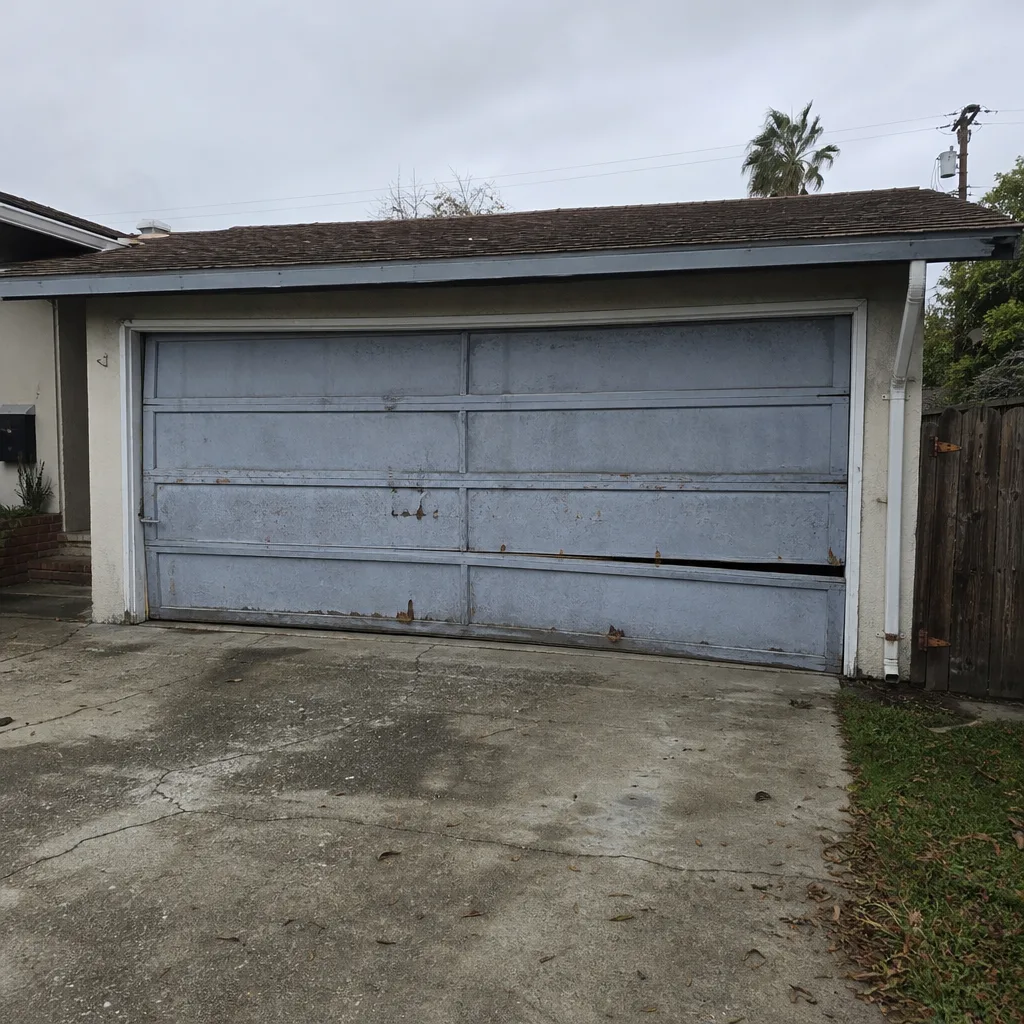 Before
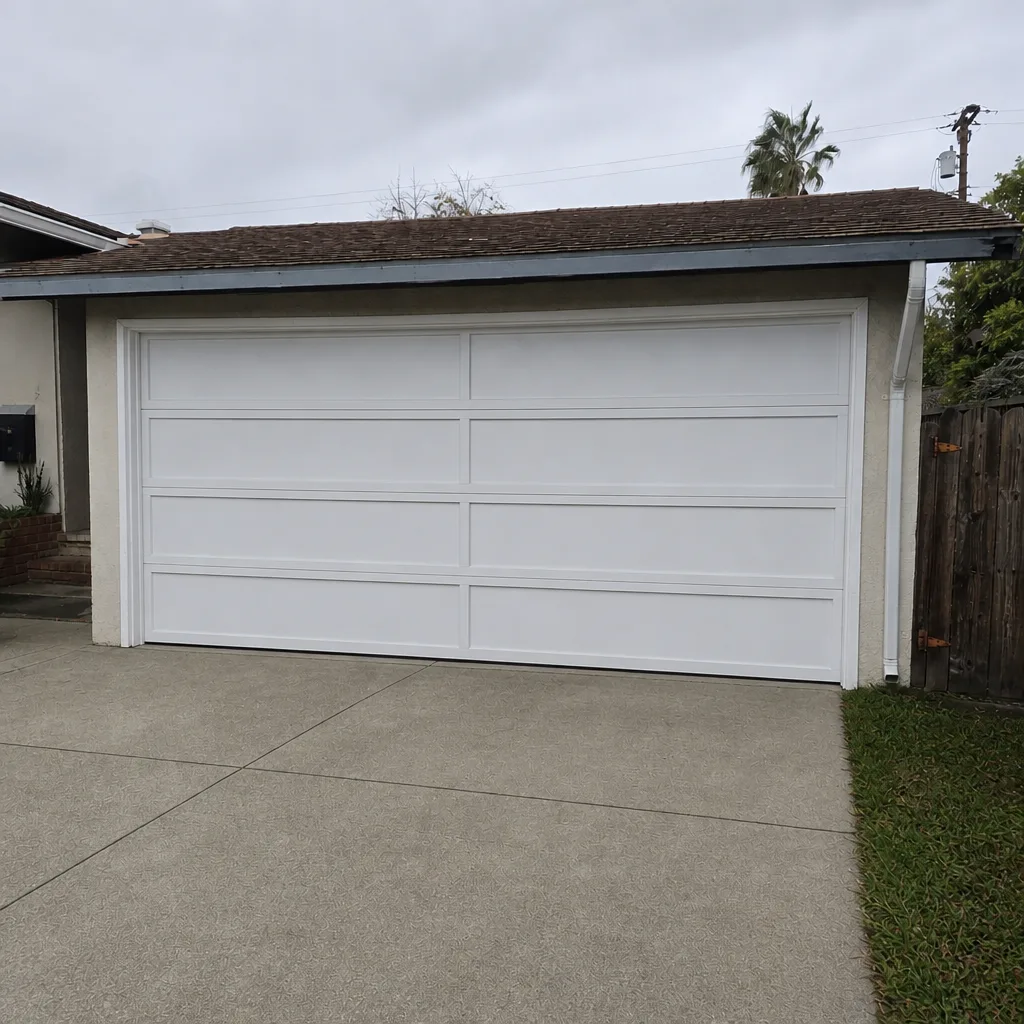 After
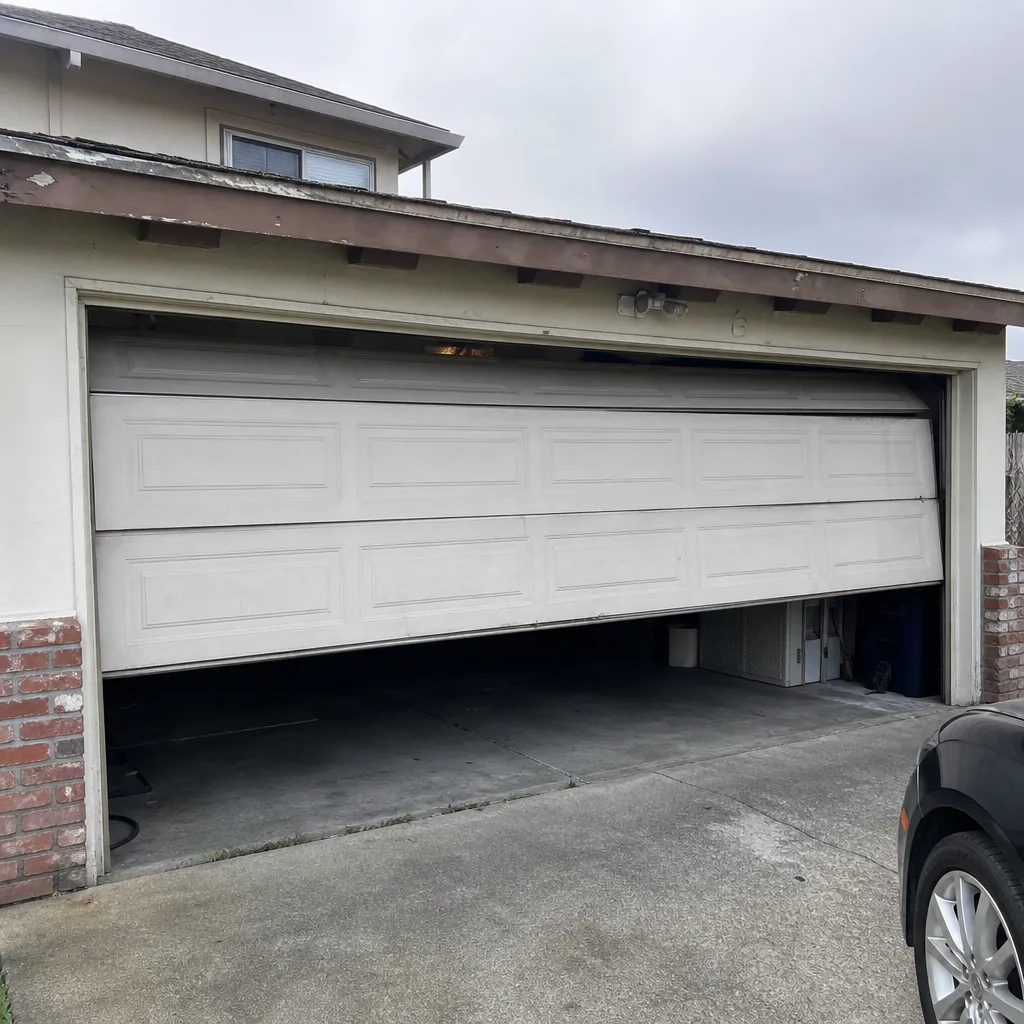 Before
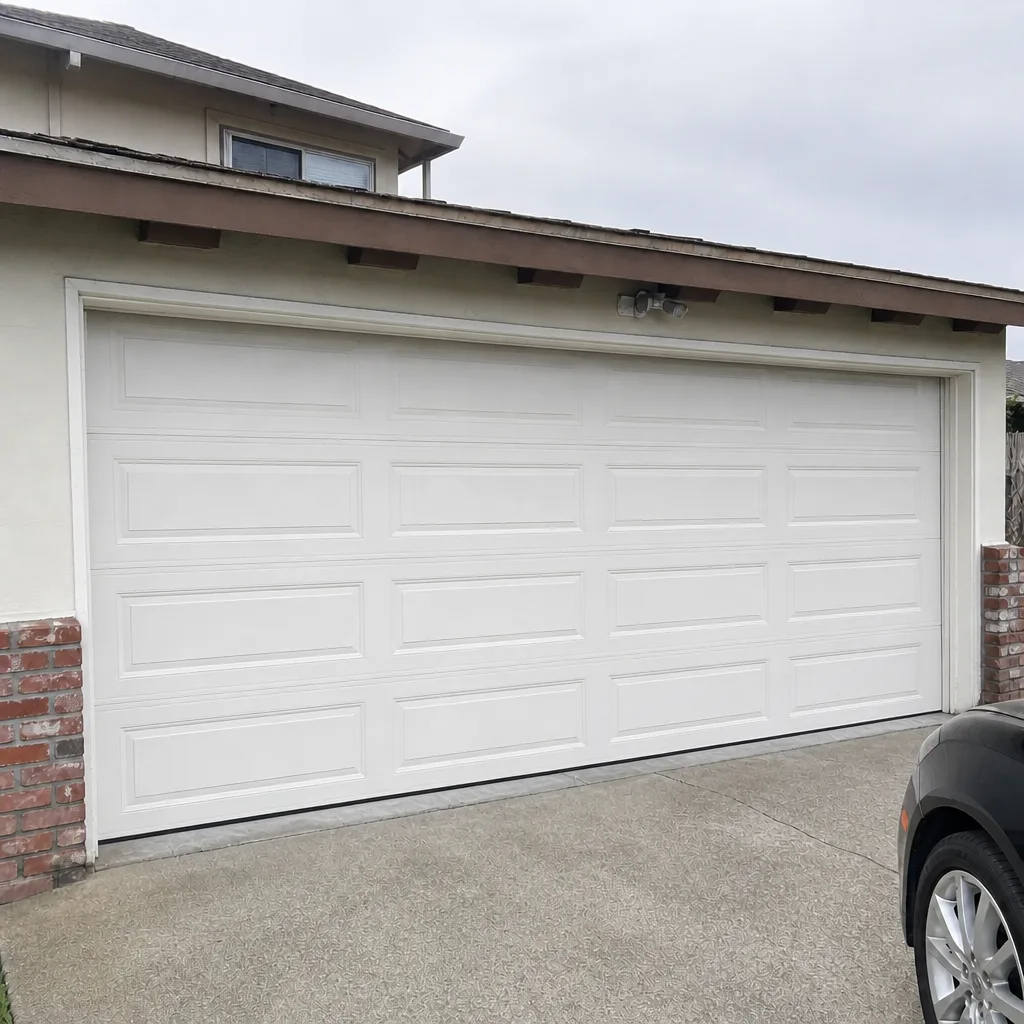 After
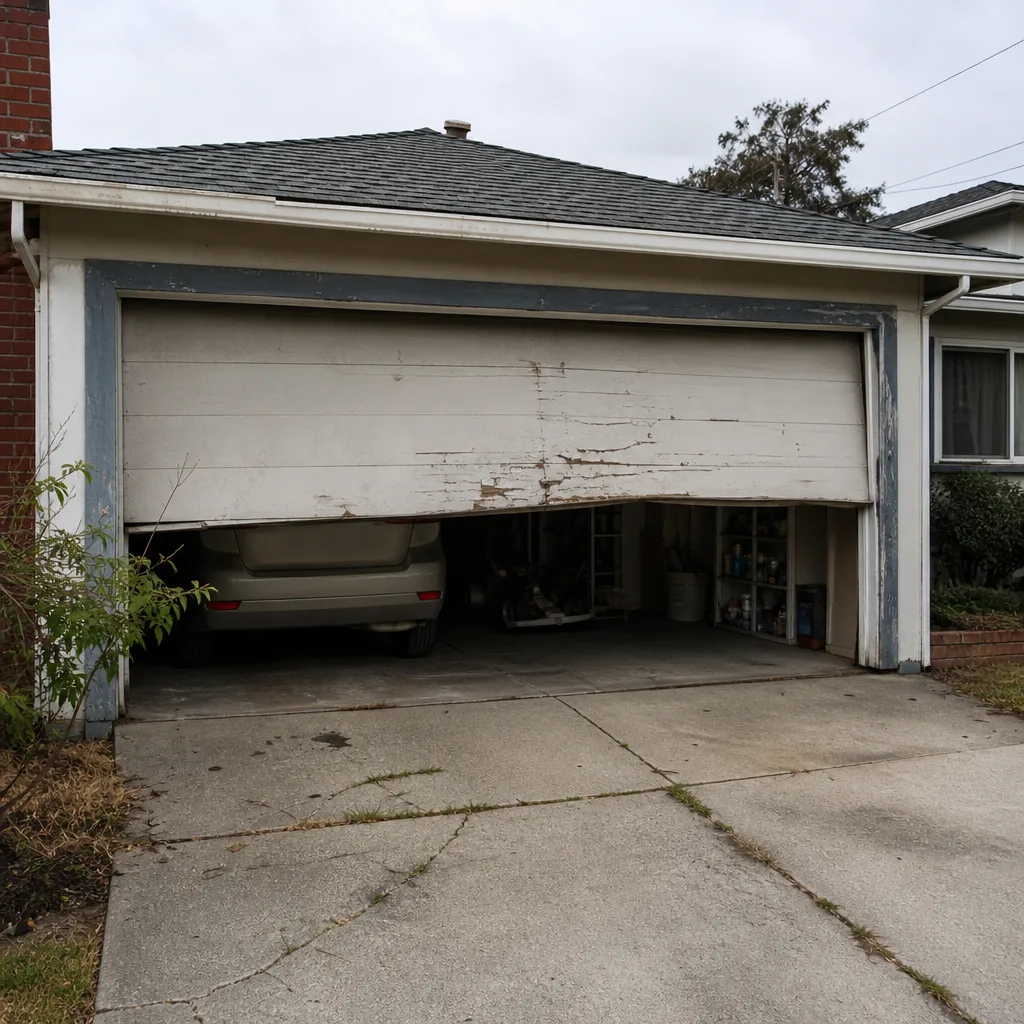 Before
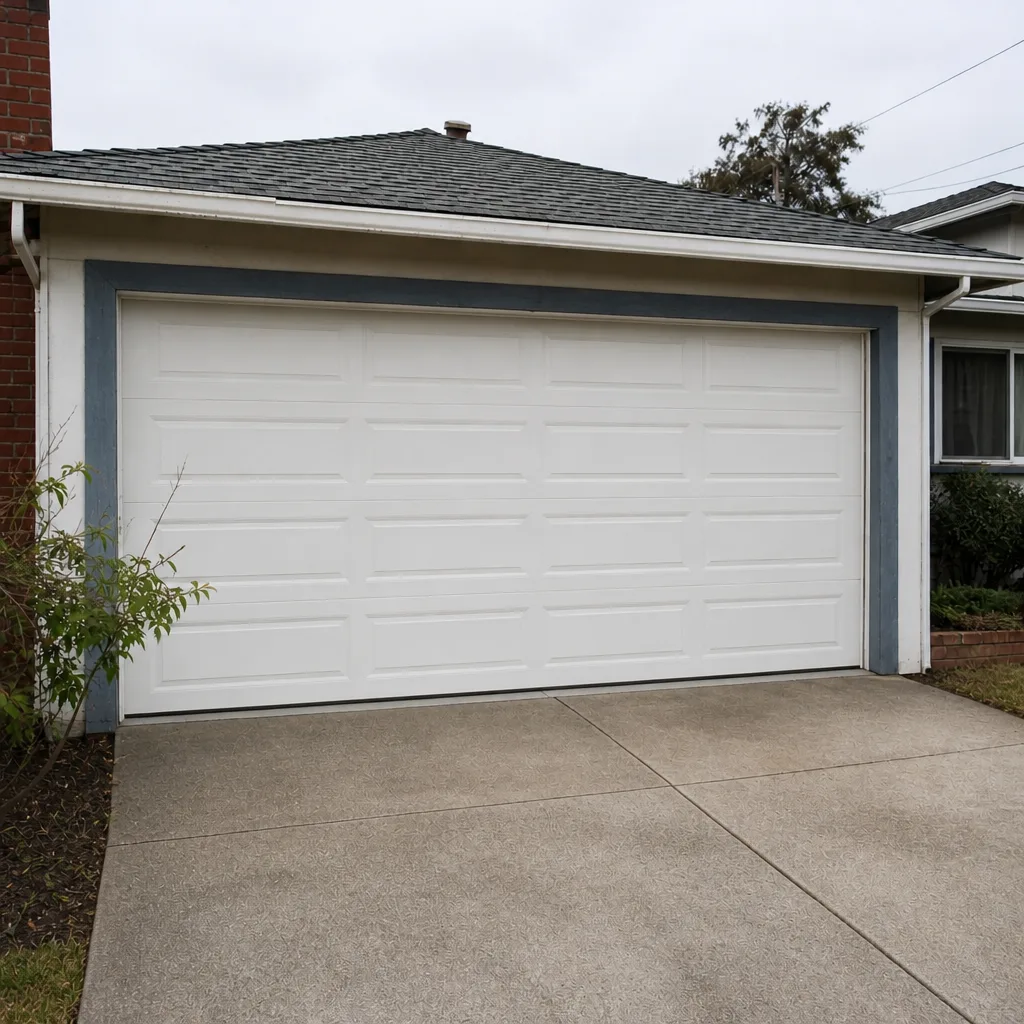 After
When to Call a Professional
Some problems are obvious. A snapped spring, a door that hangs unevenly, cables that are frayed, or an opener that won’t respond to the wall control all call for a technician. Others are quieter: a door that opens but sounds different than it used to, an opener that reverses inconsistently, or a spring that looks fine but can’t hold the door’s weight. Those matter too, and they’re worth a look before they become a repair. Spring, cable, and opener electrical work are not DIY territory, and we’d rather you call than try. Silverline Garage Door Repair offers free estimates in Richmond – call (833) 519-3675.
Frequently Asked Questions
Most garage door repairs in Richmond in 2026 run between $180 and $650, with the exact figure depending on the part and the door’s weight. Spring replacements start around $280 for one spring, and a full door replacement typically runs $1,800 to $4,500. The written estimate you receive before work starts is what sets your final price. Call (833) 519-3675 for an exact quote – estimates are free.
Yes, same-day service is often possible when you call during our normal dispatch hours. We answer 24/7, and fast dispatch runs from 7am to 7pm, Sunday through Friday. Call (833) 519-3675 to check availability for your address.
No. The price is quoted and agreed in writing before any work starts, so the invoice shouldn’t outrun the quote. If the technician finds something that changes the scope, that gets discussed and agreed first. Call (833) 519-3675 for a free, fixed estimate.
Our technicians carry common parts for the brands we work on, including LiftMaster, Chamberlain, Genie, and Craftsman opener components, but a specific spring grade for a heavier door may need to be ordered. We’ll tell you at the estimate whether the part is on hand or needs to be ordered. Call (833) 519-3675 to talk through your door.
Bay Area labor rates and Contra Costa County permit requirements push costs roughly 30-40% above national numbers, and a correctly spec’d spring for a heavier insulated door adds part cost. The quote should itemize these so you can see where the figure comes from. Call (833) 519-3675 for a line-by-line estimate.
Replace when repairs come to roughly half or more of a full replacement price, or when the panels, hardware, and springs are all worn. In Richmond’s market, curb appeal in neighborhoods like Parkway Terrace also factors into the math. Repair when one part has failed on an otherwise sound door. Call (833) 519-3675 and we’ll walk through both options.
The Bottom Line
The numbers that matter in Richmond are local: Bay Area labor, Contra Costa County permits, and the heavier doors found in many neighborhoods. Expect spring replacements to start around $280 per spring, matched pairs around twice that, and full replacements roughly $1,800 to $4,500. The biggest quote difference comes from the line item most homeowners don’t ask about: whether the spring is correctly graded for the door’s weight. Get a written, itemized scope, confirm the price before work starts, and ask whether parts are brand-matched. That’s how a cost guide in Silverline Garage Door Repair becomes a fair price you can trust.
From a broken spring to a full new installation, one call covers it. Call (833) 519-3675 for a free estimate. We answer 24/7. Fast dispatch from 7am to 7pm, Sunday through Friday.
Written by the team at Silverline Garage Door Repair, serving Richmond since 2012.