
Last updated November 14, 2026
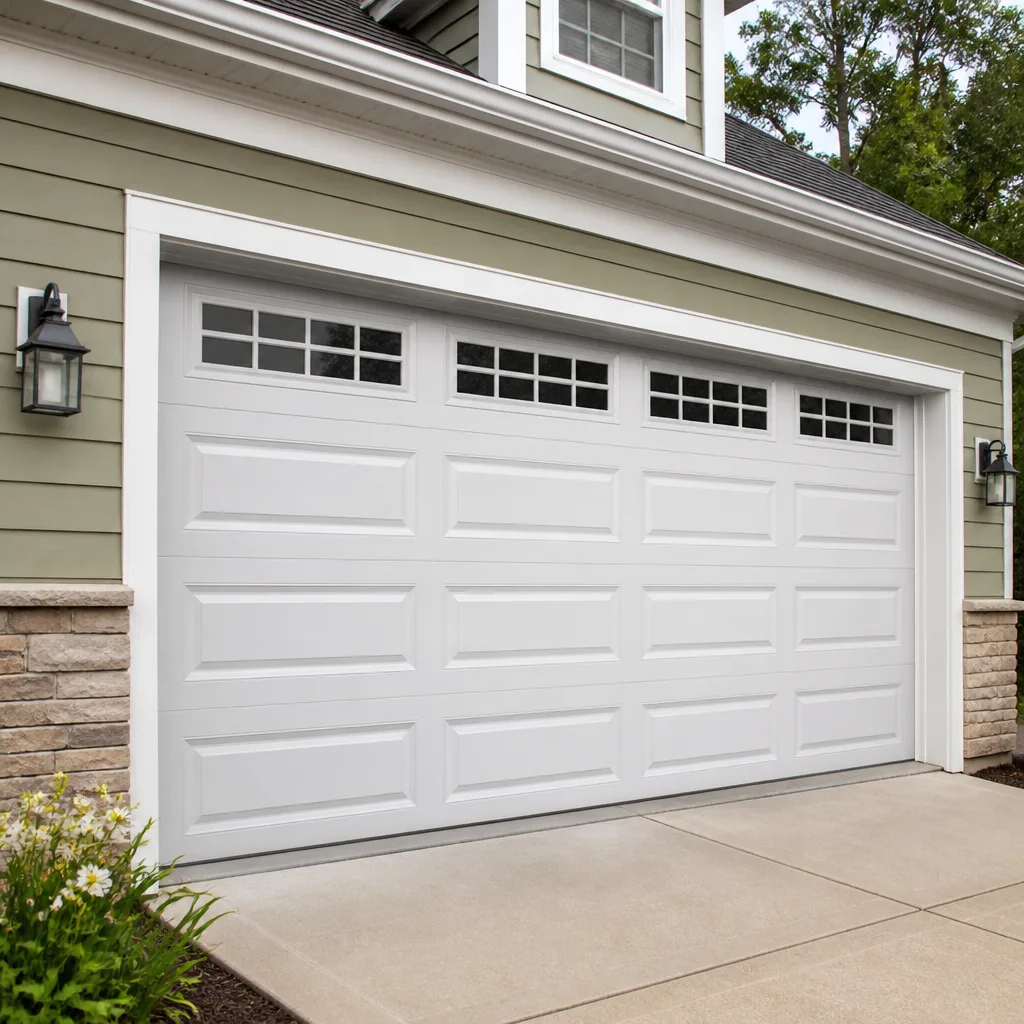 Raised-panel steel
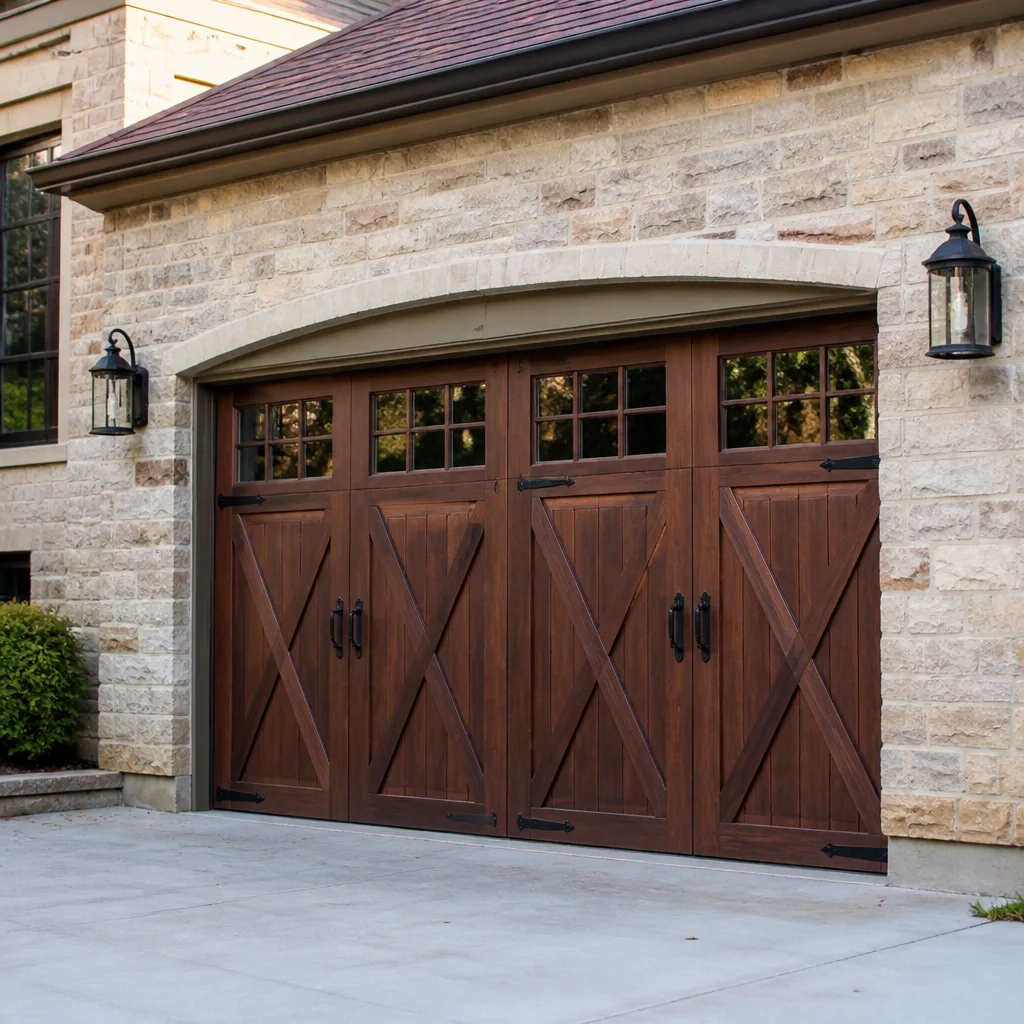 Carriage house
 Modern flush
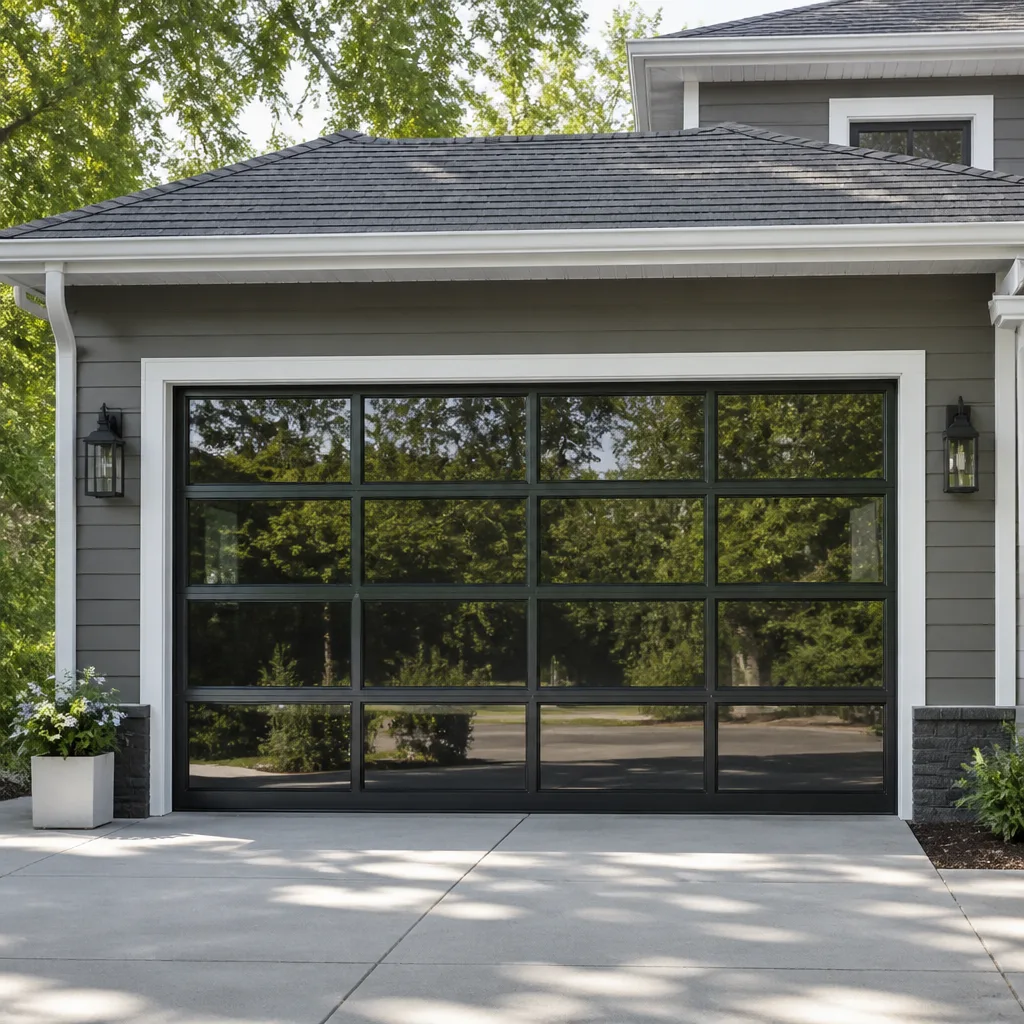 Full-view glass
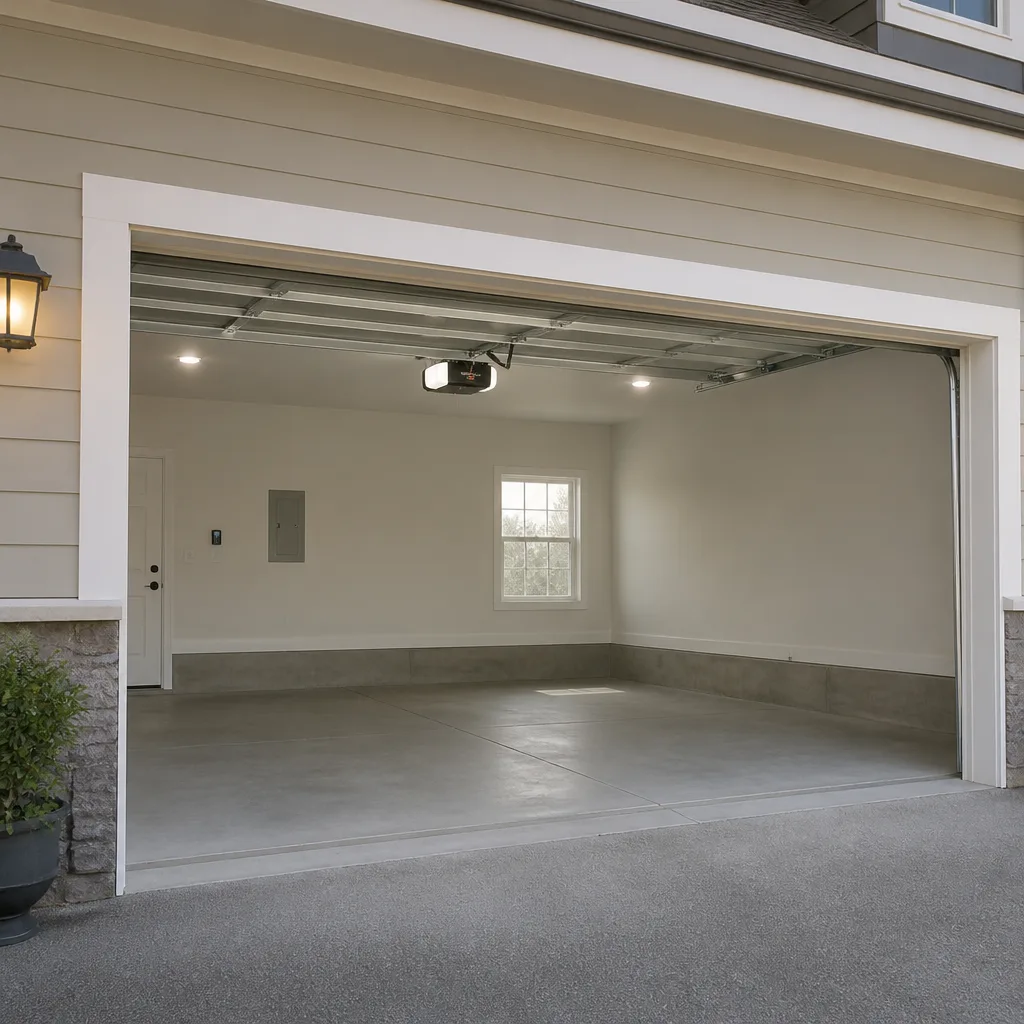 LiftMaster openers
 Chamberlain openers
Full 25-point door and opener safety check with every visit - springs, cables, rollers, tracks, and your LiftMaster or Chamberlain opener included
You get a price before we start. It does not change when the truck arrives.
Get your free estimateGarage Door Emergency Preparedness Guide for Richmond Homes
Most Richmond homeowners treat the garage door opener as a convenience until the moment it stops being one. The assumption is that the door will open when you press the button, the car will be there when you need it, and none of it requires a second thought. That assumption holds right up until the power goes out, the ground moves, or the door jams halfway and stays there. The Hayward Fault runs roughly 2.5 miles from central Richmond, and USGS models put a 33% probability on a magnitude 6.7 or larger rupture within the next 30 years. If that event knocks out power and you’ve never practiced the manual release, your car may sit behind a door you can’t open. This guide covers the manual release procedure by brand, how to assess damage to the door frame after seismic activity, battery backup options, and a one-page emergency card you can keep in the garage. It is written for Richmond specifically, in a city that has seen its share of industrial incidents and grid disruptions.
Quick Answer
Every garage door opener has a manual release that disengages the door from the motor so you can lift it by hand. The release cord and latch mechanism differ by brand: most use a red T-handle hanging from the trolley, but the exact location and pull direction vary between LiftMaster, Chamberlain, Genie, Craftsman, Ryobi, and Overhead Door units. Test the release before you need it, confirm the door is balanced enough to lift manually, and know where your emergency kit and vehicle keys are stored in case the door won’t open at all. A professional inspection after seismic activity matters because a shifted frame can make a door unsafe to operate even if it looks fine.
Styles & brands we work with
- Raised-panel steel
- Carriage house
- Modern flush
- Full-view glass
- LiftMaster openers
- Chamberlain openers
Table of Contents
- Why Garage Door Preparedness Matters in Richmond
- How to Manually Release Your Garage Door by Brand
- Assessing Your Door Frame After Seismic Activity
- Battery Backup Options by Opener Brand
- Richmond Emergency Context: BART, Refinery Routes, and Vehicle Access
- What to Do When the Opener Fails and the Door Won’t Move
- The One-Page Emergency Card for Your Garage
- Seasonal Preparedness Checklist for Richmond Homes
Why Garage Door Preparedness Matters in Richmond
Richmond sits in an active seismic zone, and the Hayward Fault is the closest major threat. USGS models assign a 33% probability of a magnitude 6.7 or larger rupture within 30 years. That’s not a distant hypothetical; it’s a planning number that emergency managers in Richmond use. The city also has a history of industrial incidents and power outages that have disrupted neighborhoods for hours at a time. When the grid goes down, your garage door opener goes down with it unless it has battery backup.
Here’s the part most homeowners miss: the garage door is often the largest moving object in the house, and it’s also the primary vehicle exit for most Richmond homes. If the door won’t open, the car stays put. If the car stays put, your ability to leave, reach a family member, or evacuate along a designated route is compromised. And if your emergency kit is stored on a shelf in the garage, that kit is behind the same door.
The good news is that garage door preparedness takes about twenty minutes to set up and almost no money. You need to know three things: where the manual release is on your specific opener brand, whether your door can be lifted by hand, and what to do if the frame has shifted. The rest is practice.
Richmond’s housing stock adds a wrinkle. Many homes in neighborhoods like the Iron Triangle, North and East, and the Richmond Annex have older garage door systems that predate modern safety features. Some have openers installed decades ago with release mechanisms that have never been tested. If your opener is a Chamberlain or Genie unit from the 1990s, the manual release may be stiff, misaligned, or disconnected from the trolley entirely. That’s a repair, not a crisis, but you want to find out before the power goes out, not after.
How to Manually Release Your Garage Door by Brand
Every residential garage door opener sold in the last several decades has a manual release. The purpose is to disconnect the door from the motorized trolley so the door can be lifted by hand. The mechanism is a cord ending in a handle, usually red, that hangs from the trolley. When you pull it, a latch disengages and the door is free to move manually.
The procedure differs by brand. Here is the step-by-step for the six most common opener brands in Richmond homes:
- LiftMaster: Locate the red T-handle hanging from the trolley. Pull it straight down and slightly toward the door. You’ll hear the trolley click as it disengages. The door is now free to lift by hand. To re-engage, close the door fully, pull the release cord toward the opener until it clicks, then run the opener once to reset.
- Chamberlain: Same mechanism as LiftMaster (both are made by the same parent company). The release handle is typically red and hangs about six feet from the floor. Pull down firmly. If the cord is slack, check that it’s still attached to the trolley latch; Chamberlain units have a small pin that can work loose over time.
- Genie: Genie openers use a similar red release cord, but the trolley latch is oriented differently. Pull the cord straight down; do not pull at an angle, which can jam the latch. Some Genie models have a release knob instead of a T-handle.
- Craftsman: Craftsman openers, many of which are rebadged Chamberlain units, use the standard red T-handle. Older Craftsman models may have a metal release lever near the motor housing rather than a hanging cord. Check the manual for your model year if the cord isn’t visible.
- Ryobi: Ryobi’s modular opener systems use a release cord with a distinct handle shape. The trolley release is on the rail, not the motor head. Pull down and back toward the door.
- Overhead Door: Overhead Door openers often use a release cord with a red ball or T-handle. Some models have a lever-style release near the rail. The key is to pull firmly in one motion; the latch is spring-loaded and will snap back if you hesitate.
Once the door is released, lift it by hand. A properly balanced door should lift with modest effort and stay in place when you let go halfway. If the door feels heavy, drops on its own, or won’t stay up, the springs are compromised and the door is unsafe to operate manually without professional help. We cover that scenario below.
For a detailed walkthrough of opener-specific troubleshooting beyond the manual release, see our guide to garage door opener repair.
Assessing Your Door Frame After Seismic Activity
After a significant earthquake, the first instinct is to check the house, not the garage. But the garage door frame is one of the more vulnerable parts of a residential structure because it’s a large opening framed with relatively light materials. A shift of even an inch in the header or the side jambs can bind the door in its tracks or cause the panels to rack out of square.
Here’s how to assess the door frame after seismic activity:
- Check the tracks first. Stand inside the garage and look up at the vertical tracks on both sides. They should be parallel and plumb. If one track is bent inward or outward, the door will bind and the opener will strain.
- Look at the gap between the door and the frame. A uniform gap along both sides and the top means the frame is likely intact. A gap that’s wider at the top than the bottom, or wider on one side than the other, suggests the header has shifted.
- Test the door manually. Disengage the opener and lift the door by hand. If it binds, scrapes, or won’t move smoothly through the full travel, the door or frame has shifted.
- Check the hinges and rollers. Hinges that have pulled loose from the panels, or rollers that have popped out of the tracks, indicate the door has been stressed.
- Look at the springs. Torsion springs above the door and extension springs along the sides should be intact. A broken spring will show a visible gap in the coil. Do not attempt to operate a door with a broken spring, and do not try to remove or adjust springs yourself. The tension in those springs is dangerous and requires a trained technician.
If any of these checks fail, the door is unsafe to operate. Call a professional before you run the opener again. Running a misaligned door can damage the opener, bend the tracks further, and in the worst case cause the door to come off its tracks entirely.
We’ve seen this pattern in older Richmond homes where the garage was built as a separate structure or attached with a lighter frame. The door frame is often the first thing to show stress because it’s the largest opening. An inspection after a notable earthquake is worth the call.
Battery Backup Options by Opener Brand
When the power goes out, a garage door opener without battery backup is a dead motor. The door won’t open from the wall button, the remote, or the keypad. You’re left with the manual release, which works, but it requires you to be inside the garage to use it. If the car is inside and you’re outside, the manual release doesn’t help.
Battery backup solves that problem. Here’s what’s available by brand:
- LiftMaster 8550W: This model has integrated battery backup built in. The battery is a rechargeable unit that keeps the opener running for a limited number of cycles during an outage. If you have this opener, test the battery annually and replace it when it stops holding a charge.
- Chamberlain: Chamberlain offers battery backup as a built-in feature on several of its belt-drive and chain-drive models. The backup is a separate battery unit that mounts to the opener head. If your Chamberlain opener doesn’t have it, an add-on battery backup kit is available for many models.
- Genie: Genie sells a battery backup accessory for its newer models, and some Genie openers include it from the factory. Check the model number on the opener head and confirm with the documentation.
- Craftsman: Older Craftsman openers generally do not have battery backup. Newer models may support an add-on. A third-party UPS (uninterruptible power supply) is a workaround for models without a factory option, but it needs to be sized correctly for the opener’s draw.
- Ryobi: Ryobi’s modular system includes battery options that can power the opener during an outage. The batteries are the same platform as Ryobi’s power tools, which makes it a practical system for homeowners already in that ecosystem.
- Overhead Door: Some Overhead Door openers support battery backup, and a third-party UPS is a workaround for models that don’t. As with any opener, confirm compatibility before adding a backup unit.
If you’re not sure whether your opener has battery backup, look for a battery compartment on the opener head or a separate battery unit mounted nearby. If you’re still unsure, a technician can confirm in a few minutes. For questions about your specific model, see our garage door opener repair page or call us directly.
Richmond Emergency Context: BART, Refinery Routes, and Vehicle Access
Richmond’s emergency landscape is shaped by three things: the seismic zone, the industrial corridor along the waterfront, and the transportation network that runs through it. BART disruptions are a real scenario in a regional emergency. When the BART system goes down, the roads fill up, and the car in your garage becomes more important, not less.
The refinery corridor along Richmond’s waterfront has evacuation routes that run past residential garages. In a neighborhood-level emergency, the ability to get your vehicle out of the garage and onto the road matters. If the door won’t open because the opener lost power and the manual release hasn’t been tested, you’re stuck. That’s not a hypothetical for emergency planners in Richmond; it’s a scenario they account for.
Here’s what that means for your garage door:
- Know your manual release and test it. If you’ve never pulled the release cord, do it now, while the power is on and the door is down. Practice disengaging and re-engaging the trolley so the motion is familiar.
- Confirm the door can be lifted by hand. A balanced door lifts with moderate effort. If it’s too heavy or won’t stay up, the springs need attention before an emergency.
- Consider battery backup if you don’t have it. The manual release works from inside the garage. Battery backup lets you open the door from outside with the remote, which is what you need if you’re arriving home and the power is out.
- Keep the garage clear of obstructions. If you need to lift the door by hand, you need room to move. A garage packed to the ceiling with storage makes a manual release harder to reach and the door harder to lift.
- Store your emergency kit where you can reach it. If the kit is in the garage and the door won’t open, the kit is unavailable. Consider a secondary kit inside the house.
Silverline Garage Door Repair serves homeowners across Richmond, and we’ve walked through this scenario with customers in neighborhoods from the Richmond Annex to East Richmond Heights. The preparedness conversation is different here because the risk profile is different. A door that works fine in a quiet suburb is still a door you need to be able to open when the grid goes down and the roads are congested.
What to Do When the Opener Fails and the Door Won’t Move
An opener failure is the most common garage door emergency. The door stops responding, the motor hums without moving the door, or the opener runs but the door doesn’t budge. Here’s the step-by-step response:
- Check the power source. Confirm the opener is plugged in and the circuit breaker hasn’t tripped. If the outlet is dead, the opener isn’t the problem.
- Check the safety sensors. The two small sensors at the bottom of the door tracks need to be aligned and the lenses clean. If the sensor light is off or blinking, the opener won’t close the door. Wipe the lenses and check alignment.
- Check the wall button and remote. If the wall button works but the remote doesn’t, the remote battery or the radio receiver is the issue. If neither works, the problem is likely the opener’s logic board or power supply.
- Disengage the door manually. Pull the release cord and try lifting the door by hand. If the door moves freely, the opener is the problem. If the door binds, the door or tracks are the problem.
- Look for visible damage. A bent track, a broken spring, or a door off its hinges is a mechanical failure. Stop operating the opener and call a professional.
If the opener is the issue, brand-specific diagnostics matter. A Genie opener with a failed logic board has a different fix than a LiftMaster with a burned-out motor capacitor. Our team is trained on Chamberlain, Genie, and the other major brands, which means we diagnose the actual failure point rather than swapping parts until something works. For a full breakdown of opener troubleshooting, see our garage door opener repair page.
If the door itself is damaged, that’s a repair call. Our garage door repair service covers springs, cables, tracks, panels, and rollers. From a broken spring to a door off its tracks, one call covers it.
The One-Page Emergency Card for Your Garage
An emergency card is a single sheet of paper, laminated or in a plastic sleeve, stored in the garage where you can reach it without moving anything. It should contain the following:
- Manual release location. Note where the release cord is on your specific opener and which direction to pull.
- Opener brand and model number. Write it down. If you need to call for service, the model number saves time.
- Service shutoff for gas-adjacent garages. If your water heater or furnace is in the garage, note the location of the gas shutoff valve and how to turn it off. This is a general safety measure; your utility provider can confirm the procedure for your home.
- Local emergency contacts. Richmond Police and Fire non-emergency numbers, your utility provider, and a garage door service line. Ours is (833) 519-3675.
- Emergency kit location. Note whether the kit is in the garage or the house, and what’s in it.
- Vehicle keys location. In a power outage, you may need to move the car manually. Know where the keys are.
Keep a second copy inside the house. The card is only useful if you can reach it. If the garage door won’t open and the card is inside the garage, you’ve defeated the purpose.
Seasonal Preparedness Checklist for Richmond Homes
Richmond’s climate is mild, which means the garage door doesn’t face the seasonal extremes that drive maintenance schedules in other parts of the country. But mild weather doesn’t eliminate wear. The checklist below is worth running through twice a year, ideally in spring and fall:
- Test the manual release. Pull the cord, disengage the trolley, lift the door by hand, and re-engage. Confirm the motion is smooth.
- Check the balance. Disengage the opener and lift the door halfway. It should stay in place. If it drifts down or feels heavy, the springs need attention.
- Lubricate the moving parts. Rollers, hinges, and the torsion spring (lightly) benefit from a garage door lubricant. Avoid heavy grease, which attracts dust.
- Test the safety sensors. Place an object in the door’s path and confirm the door reverses. Clean the sensor lenses.
- Test battery backup. If your opener has battery backup, unplug the opener and confirm the door still operates. Replace the battery if it doesn’t hold a charge.
- Inspect the tracks and hinges. Look for bends, loose bolts, and worn rollers. Tighten what’s loose; call for what’s bent.
- Check the weather seal. The bottom seal should make contact with the floor across the full width. A gap lets in water, pests, and dust.
Most of this is a twenty-minute job. The parts that aren’t, like spring replacement or track realignment, are the ones that need a technician. Our garage door repair service covers all of it, and we work on Clopay and Amarr doors as well as the opener brands listed above.
Common Mistakes to Avoid
- Never testing the manual release. The release cord is the single most important emergency feature on your door, and most homeowners have never pulled it. Test it while the power is on so you know how it feels.
- Assuming battery backup is standard. It isn’t. Many openers sold without it, and the homeowner doesn’t discover the gap until the power goes out. Check your model.
- Operating a door with a broken spring. The opener will try to lift a door that weighs far more than the motor is rated for, which can damage the opener and cause the door to fall. Stop and call.
- Ignoring a shifted frame after an earthquake. A door that looks fine may be binding in its tracks. If the gap between the door and the frame is uneven, don’t run the opener.
- Packing the garage so tightly the release is unreachable. The release cord hangs from the trolley, usually at the center of the door. If storage blocks access, you can’t use it in an emergency.
- Storing the emergency kit only in the garage. If the garage door won’t open, the kit is behind it. Keep a second kit in the house.
- Calling a generalist for a brand-specific opener problem. Opener diagnostics differ by brand. A technician who knows Chamberlain and Genie systems will find the failure point faster than one who doesn’t.
See the difference
 Before
 After
 Before
 After
 Before
 After
When to Call a Professional
Call a professional if the manual release won’t disengage the door, if the door binds or scrapes when you lift it by hand, if a spring is visibly broken, if the door has come off its tracks, or if the frame has shifted after seismic activity. Also call if the opener runs but the door doesn’t move, if the door reverses without an obstruction, or if the opener’s logic board is suspect. These are not DIY repairs. The springs and cables are under high tension, and the opener’s electrical components require a trained hand. Silverline Garage Door Repair offers free estimates in Richmond. Call (833) 519-3675. We answer 24/7. Fast dispatch from 7am to 7pm, Sunday through Friday.
Frequently Asked Questions
Pull the red release cord hanging from the trolley to disengage the door from the opener, then lift the door by hand. The cord location is similar across most brands, but the latch mechanism differs between LiftMaster, Chamberlain, Genie, Craftsman, Ryobi, and Overhead Door units. Test the release before an emergency so you know how it feels. If the door won’t lift or won’t stay up, the springs are compromised and you should call for service.
It depends on the model. The LiftMaster 8550W has integrated battery backup. Some Chamberlain and Genie models include it or support an add-on kit. Older Craftsman openers generally don’t. Look for a battery compartment on the opener head or a separate battery unit mounted nearby. If you’re unsure, a technician can confirm in a few minutes during a service call.
Only if the frame and tracks are intact and the door operates smoothly by hand. Check the vertical tracks for bends, look for an uneven gap between the door and the frame, and lift the door manually to confirm it doesn’t bind. If anything looks off, don’t run the opener. A shifted frame can cause the door to come off its tracks, which is a safety hazard.
First, try the manual release. If the door is released and lifts by hand, you can move the car. If the door won’t lift, the springs or tracks are the problem, and you’ll need to call for service before the car can move. Keep a second emergency kit and your vehicle keys inside the house so you’re not dependent on garage access in a power outage.
Sometimes. Some older models support an add-on battery backup kit, and others can be paired with a properly sized third-party UPS. The compatibility depends on the opener’s model and power draw. Confirm with the manufacturer’s documentation or have a technician check the model number before you buy a kit.
Twice a year is a reasonable schedule, ideally in spring and fall. Test the manual release by disengaging and re-engaging the trolley, and test battery backup by unplugging the opener and confirming the door still operates. Replace the backup battery if it doesn’t hold a charge. These checks take about twenty minutes and catch most failures before they matter.
The Bottom Line
The most important emergency feature on your garage door is the manual release, and most homeowners have never tested it. Test it now, while the power is on. Confirm your door can be lifted by hand and stays up. Check whether your opener has battery backup, and add it if it doesn’t. After any seismic activity, inspect the frame and tracks before running the opener. Keep a one-page emergency card in the garage and a second copy in the house. None of this costs much, and all of it makes the difference between a car you can move and a door you can’t open. Silverline Garage Door Repair works on LiftMaster, Chamberlain, Genie, Clopay, Amarr, Wayne Dalton, Craftsman, and Raynor systems across Richmond. Call (833) 519-3675 for a free estimate. We answer 24/7, with fast dispatch from 7am to 7pm, Sunday through Friday.
Written by the team at Silverline Garage Door Repair, serving Richmond since 2012.