
Last updated November 14, 2026
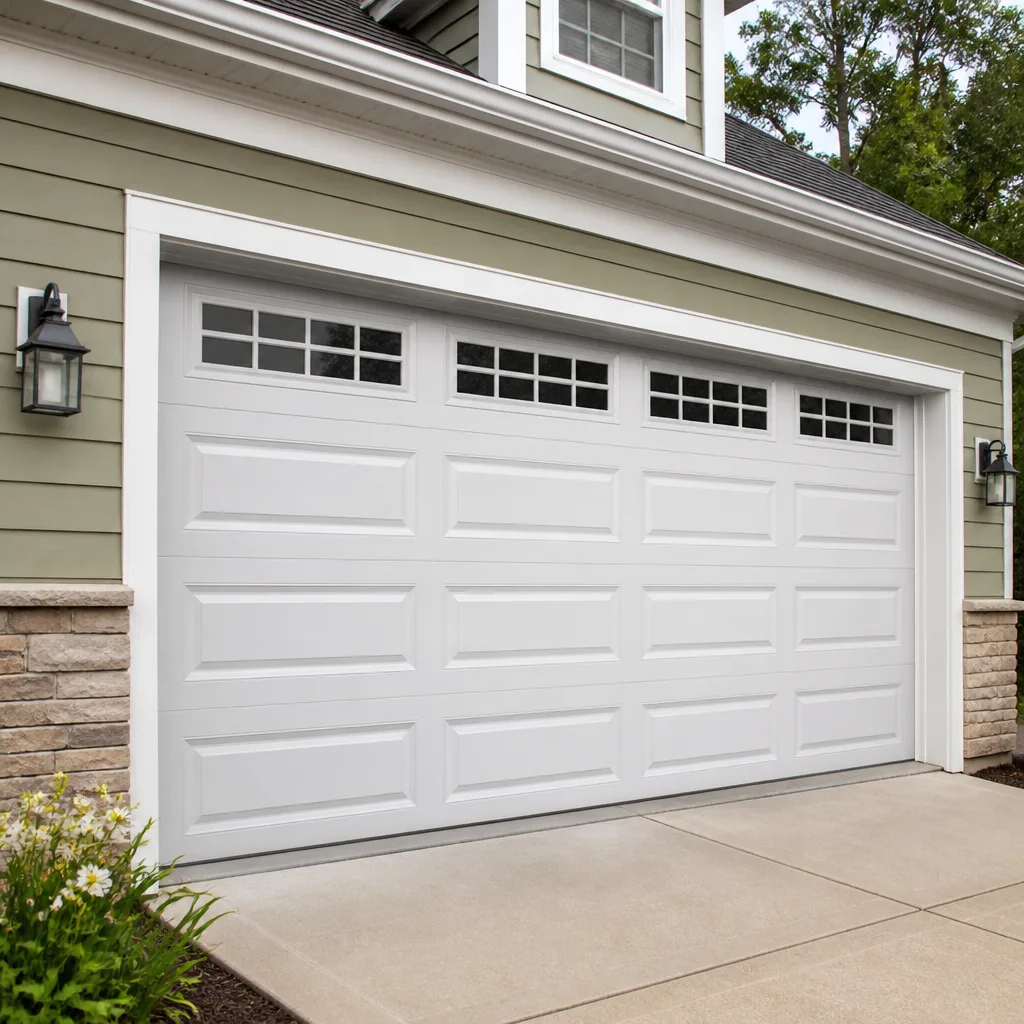 Raised-panel steel
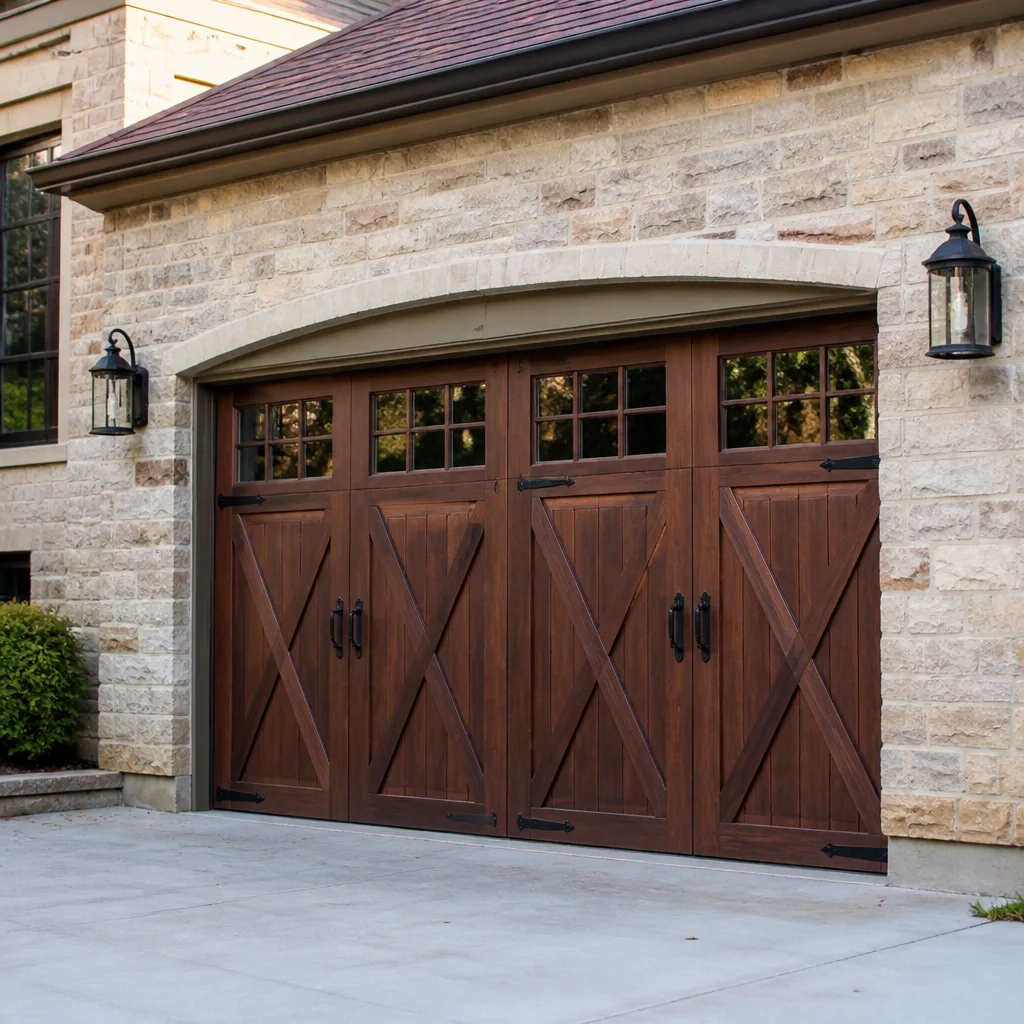 Carriage house
 Modern flush
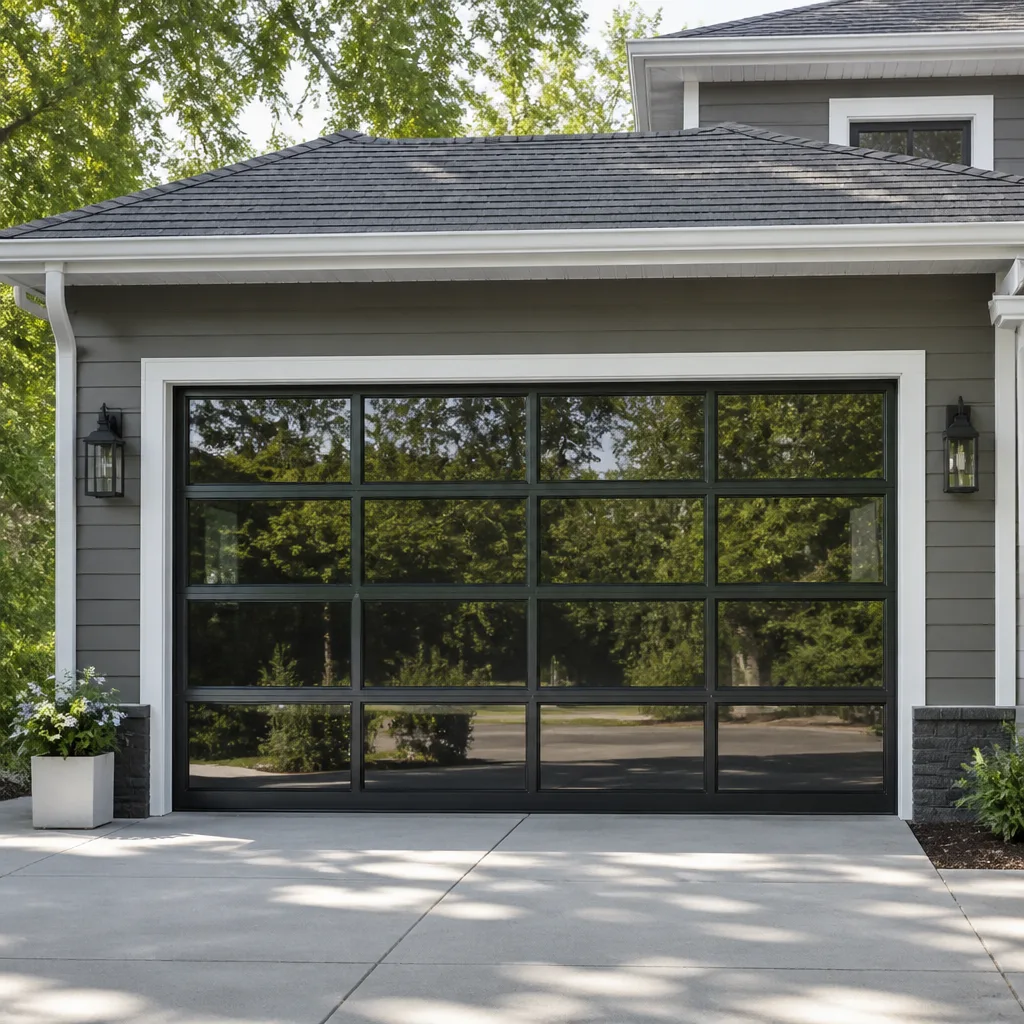 Full-view glass
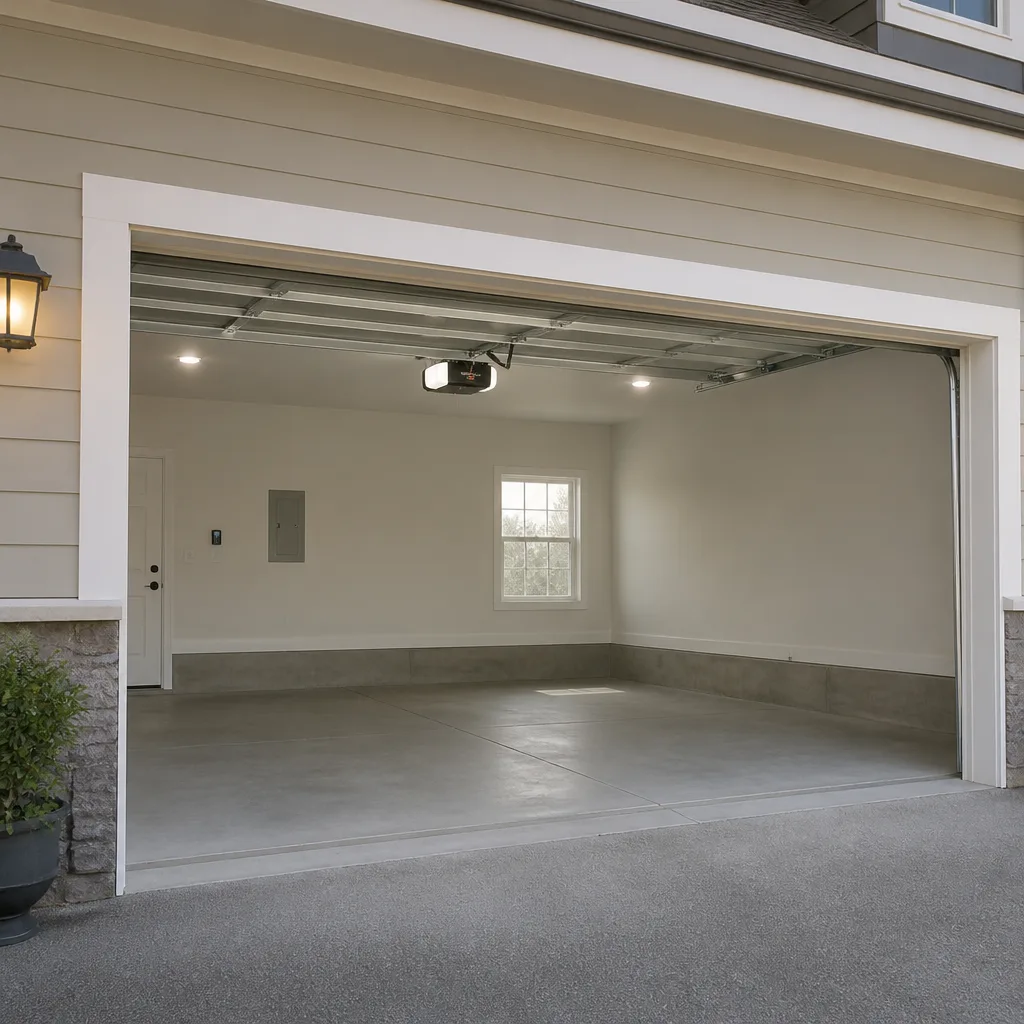 LiftMaster openers
 Chamberlain openers
Full 25-point door and opener safety check with every visit - springs, cables, rollers, tracks, and your LiftMaster or Chamberlain opener included
You get a price before we start. It does not change when the truck arrives.
Get your free estimateSeasonal Garage Door Care for Richmond: Year-Round Homeowner’s Guide
Most garage door maintenance advice is built around four seasons, and Richmond doesn’t really have four. We get a cool, foggy stretch from May through September that settles in off the Bay, then a wet and unpredictable winter from November through March. The mild temperatures that make Richmond comfortable are exactly what lets moisture and salt residue sit on hardware for months instead of drying off. So the conventional “clean it in spring, clean it in fall” routine misses the two moments that actually matter here. In this guide, we’ll walk through what each Richmond season does to your door, the specific tasks to finish in October and April, and the problems we see most in neighborhoods like Eastshore and the Iron Triangle.
Quick Answer
Garage door care in Richmond works best on a two-part calendar, not four: a full inspection and lubrication in April as fog season approaches its peak, and a sealing and tightening pass in October before the first real rain. Between those two checkpoints, the highest-value habit is keeping the spring system, tracks, and bottom seal clean of salt residue and standing moisture, because Richmond’s mild range means humidity damage, not cold-weather damage, is the main threat to your door.
Styles & brands we work with
- Raised-panel steel
- Carriage house
- Modern flush
- Full-view glass
- LiftMaster openers
- Chamberlain openers
Table of Contents
- Why Richmond’s Climate Breaks the Four-Season Rule
- The May to September Fog Season Checklist
- The November to March Wet Season Checklist
- The Two Dates That Matter: October and April
- Condensation, Old Garages, and Opener Circuit Boards
- Why Thermal Expansion Is Minor Here but Humidity Fatigue Is Major
- Matching Care to the Brand You Own
- What to Check Yourself and What to Leave Alone
Why Richmond’s Climate Breaks the Four-Season Rule
Richmond sits where Bay air moves through and cools as it goes, and that produces a long gray stretch rather than a hot summer. From May through September, morning fog is the normal condition, not the exception. And it’s not just cool air. It carries moisture and salt residue that settles on every horizontal surface, including the top of your torsion springs, your tracks, and the hinges along the edges of each panel. That’s the part most checklists skip entirely.
The result is that your door spends roughly five months in conditions closer to a marine environment than a suburban driveway. The opposite half of the year isn’t gentle either. From November through March, Richmond gets its rain, and a good share of it arrives sideways in wind-driven bands rather than falling straight down. Water pushes into panel seams, around the bottom seal, and along the threshold, then sits there because the air rarely gets warm enough to dry it out quickly.
What you won’t see much of here is the deep freeze that inland Contra Costa gets in winter or the sustained heat that dries out a door in the Central Valley. Those extremes cause a different set of failures, mostly rapid thermal movement and brittle parts. Richmond skips most of that and lands in a middle zone where humidity fatigue and slow corrosion do the damage instead. It’s a quieter kind of wear, and it’s easy to overlook until a spring lets go or an opener stops responding.
For a full picture of how we approach repairs across the area, see our Richmond service page.
The May to September Fog Season Checklist
This is the half of the year when most Richmond homeowners stop thinking about their garage door, and it’s the half when the wear actually accumulates. Fog season is when salt residue builds up on the spring system, when track surfaces begin to oxidize, and when the small moving parts that need lubrication go dry. A spring that’s already near the end of its life has the least margin in exactly these months.
Here’s what to cover as the fog settles in:
- Wipe down the torsion springs and the torsion bar. A damp cloth followed by a dry one removes the residue that fog leaves behind. Use a cloth, not a hose, and don’t spray anything into the spring coils.
- Check the tracks for oxidation and grit. Run a cloth along the inside of each vertical and horizontal track. Any brown film or roughness is a sign the surface needs cleaning before it starts to bind the rollers.
- Lubricate hinges, rollers, and the spring coils. A garage door lubricant, not household oil or grease, applied sparingly at the pivot points in late spring and again mid-summer keeps the moving parts from wearing against each other.
- Look at the bottom seal for flattening. Fog doesn’t dry the rubber out, but constant damp contact softens it. If the seal no longer springs back when you press it, it’s losing its job.
- Listen to the door. A door that was quiet in March and has developed a squeak or a grind by July is telling you something. Noise in fog season usually means a lubrication or roller problem, not a spring about to fail.
Deferring a spring inspection through this stretch is the single most common mistake we see. On a residential torsion system, springs are under high tension, and a worn spring that fails doesn’t warn you gently. It’s also not something to test or adjust yourself. Have a trained technician check the spring system, the cables, and the drums once a year, ideally as fog season opens.
If your door has started sticking, grinding, or refusing to close, that’s the point to look into garage door repair rather than waiting for it to fail outright.
The November to March Wet Season Checklist
Richmond’s wet season is where the more visible damage happens, and it concentrates on everything that touches the ground: the bottom seal, the threshold, the lower panels, and the frame. Sideways rain finds seams and gaps that a straight-down downpour wouldn’t reach. If you have a wood door, this is the season that punishes any spot where the finish has worn thin.
- Threshold seal: check that the bottom seal meets the floor evenly along the full width. A swollen or warped seal lifts in sections, which lets water run under the door and into the garage.
- Weatherstripping on the sides and top: run a hand along the perimeter strips. Any section that’s cracked, compressed flat, or pulling away from the frame needs replacing before the heaviest rain.
- Wood panels: look at the bottom edge and the joints between panels for paint that’s peeling or wood that feels soft. Moisture intrusion starts at the lowest point and works upward.
- Horizontal seams: with a steel or aluminum door, water can sit in the seams between panels. Check for rust spots, especially on the bottom two panels where splash-back reaches.
- Drainage in front of the door: the ground slope outside the door matters as much as anything on the door itself. If water pools against the threshold, no seal will hold it out for long.
For weatherstripping, think about direction, not just coverage. Richmond rain arrives at an angle, so the side strips and the top strip do as much work as the bottom seal. When ours wear out, replace them as a set rather than piece by piece, so the whole perimeter closes the same way.
Wet season is also when an underperforming opener becomes obvious, since a door that’s heavier from moisture puts more load on the motor. If it’s struggling, it’s worth reading about garage door opener repair.
The Two Dates That Matter: October and April
Instead of the conventional spring and fall maintenance framing, we suggest anchoring your garage door care to two months: October and April, chosen to line up with Richmond’s weather rather than the calendar’s label.
October: Before the First Rain
- Replace or reseat the bottom seal and any worn weatherstripping so the door closes tight before the wet season starts.
- Check and touch up paint or finish on any wood panels, especially at the bottom edge.
- Tighten the hardware: hinges, brackets, and the bolts along the tracks. Doors loosen over the dry months.
- Confirm the tracks are straight and clear, and the rollers turn freely.
- Test the opener’s safety reverse and check that the door balances properly when disconnected from the motor.
April: After Fog Season Peaks
- Wipe down the spring system and torsion bar to remove salt residue built up over the gray months.
- Clean and lubricate the tracks, rollers, and hinges.
- Inspect the spring system and cables for wear or corrosion, with a trained technician for anything under tension.
- Look at the opener’s housing and any wall-mounted control for signs of moisture, especially in older garages.
- Check the balance of the door again; a door that’s gotten heavier than it was the year before is telling you the springs are tiring.
Two real checkpoints a year, each timed to the weather that causes the damage, beats four vaguely defined seasonal tasks that don’t line up with Richmond at all.
Condensation, Old Garages, and Opener Circuit Boards
A lot of Richmond’s older housing stock, particularly in Eastshore and the Iron Triangle, has attached garages without much insulation. That matters more than it sounds. An uninsulated garage follows the outdoor temperature closely, so during fog season and the wet months the interior surfaces stay cool. When warmer, moister air gets in, it condenses on anything colder than the air around it, including the metal panel of your door and the housing of your opener.
That condensation cycle is the quiet cause of a lot of opener trouble we see. A circuit board doesn’t need to get wet to fail. Repeated dampness and temperature swings across a season are enough to cause intermittent faults: a remote that works some days and not others, a door that reverses for no obvious reason, or a unit that needs to be unplugged and reset. It’s easy to assume the remote is at fault when the real issue is the board sitting in a damp garage.
There are a few practical things you can do about it:
- Keep a small gap between the bottom of the door and the floor when the garage isn’t in use, if your setup allows it, so air can move.
- Run a dehumidifier in a damp garage during the wet months if the space is sealed up.
- Make sure nothing is stored against the opener housing, so air can circulate around it.
- Check the ceiling and walls above the opener for water staining after heavy rain.
If an opener has become intermittent, don’t keep resetting it. A tech who understands your specific opener model will look at the board and the wiring rather than guessing. Our Silverline Garage Door Repair team treats opener diagnostics as its own specialty for exactly that reason.
Why Thermal Expansion Is Minor Here but Humidity Fatigue Is Major
Inland Contra Costa has a wide swing between summer and winter, and the doors there move a lot as a result: panels expand and contract, seams open and close, and hardware works loose. Richmond’s range is narrow, so thermal movement on a door here is genuinely small. That’s good news, and it means most of the “seasonal” content you’ll read about cold-weather contraction and heat expansion doesn’t apply to us.
What replaces it is humidity fatigue. Instead of the door flexing hard twice a year, it sits in a steady damp environment for five months, then a wet one for another five. Rubber seals soften and lose shape. Wood finishes absorb moisture slowly and lift. Lubricant washes or evaporates off the moving parts. Steel at the panel seams oxidizes in slow increments. None of these produce a dramatic failure, and that’s the problem: they compound quietly until something stops working.
This is why a pair of well-timed inspections matters more here than an occasional big tune-up. Catching a seal that’s flattened in October costs less than discovering it in January once water has been coming in for weeks. Catching a worn spring in April, before the fog months work it harder, is the same idea. Small, well-timed maintenance suits Richmond’s climate better than a heavy once-a-year overhaul.
Matching Care to the Brand You Own
The right maintenance plan depends in part on what you actually own, and different brands have different failure points worth watching. Our technicians are trained on eight of the most widely installed brands in residential use, including LiftMaster, Chamberlain, Genie, Clopay, Amarr, Wayne Dalton, Craftsman, and Raynor, which means the advice below is grounded in how those systems are built rather than general guesswork.
- Clopay and Amarr: these brands show up across a wide range of home styles in Richmond, from older bungalows to newer construction. On a Clopay or Amarr steel door, pay attention to the seams between panels during the wet season, and keep the bottom weatherstripping in good shape.
- Wayne Dalton: some models use proprietary hardware that ages differently from standard parts. If your Wayne Dalton door starts to bind or the rollers sound rough, that’s worth a look from a tech familiar with the brand rather than a generic parts swap.
- Craftsman: an extremely common opener brand, and one where moisture-related control faults come up. When a Craftsman opener gets intermittent, checking the housing for damp conditions is part of the diagnosis.
- LiftMaster and Chamberlain: smart system integration is common here. During fog season, electrical contacts in the wall control and the safety sensors are worth checking alongside the mechanical parts.
- Genie and Raynor: both appear in the residential mix. Opener servicing for Genie units is a good example of where brand-specific knowledge matters, since the drive systems differ from other makes.
The point isn’t to treat every door identically. It’s to know where your particular system is most likely to wear, and to inspect that area on schedule. A new installation should follow the same two-date pattern once it’s up, so if you’re planning one, ask what the maintenance calendar looks like for that model before you commit.
What to Check Yourself and What to Leave Alone
Some of the tasks on these checklists are safe and sensible to do yourself. Others aren’t, and the difference is worth being clear about.
What’s reasonable to do at home:
- Wiping down the spring bar and tracks
- Applying lubricant to hinges, rollers, and spring coils
- Inspecting the bottom seal and weatherstripping
- Checking that the opener’s safety reverse works
- Looking for rust, water stains, or peeling paint
What to leave to a trained technician:
- Anything involving the torsion springs or the cables. These are under high tension. Even a door at rest can release stored energy suddenly, and spring and cable work is the leading cause of serious garage door injuries.
- Adjusting or replacing the drums, the winding bars, or the lift cables.
- Repairing electrical wiring, an opener’s circuit board, or the wall controls beyond a simple reset.
- Replacing a bottom section or resurfacing wood where moisture has caused structural damage.
A real expert will always flag the spring system as a hands-off component. If you hear a loud bang from the garage or the door suddenly won’t lift, stop lifting it and call a professional. Don’t run the opener on a door with a broken spring, and don’t try to feel your way through the repair. The garage door opener repair link covers more on opener safety, and a service visit is always the safer route when springs or cables are involved.
Common Mistakes to Avoid
- Following a generic spring/fall checklist. The climate here doesn’t line up with the standard seasons. Anchoring maintenance to October and April puts your work where the weather actually causes damage.
- Skipping the fog season entirely. Because May through September feels mild, and there’s no snow, many Richmond homeowners skip it. That’s exactly the stretch when salt residue and humidity wear on the spring system.
- Waiting for the wet season to check the bottom seal. By the time the rain arrives, the seal is already compromised. Replace it in October, not in January.
- Assuming thermal expansion is your issue. Richmond’s narrow temperature range means the door moves very little. If a door is sticking or noisy, look at lubrication and track alignment, not expansion.
- Ignoring moisture around the opener. In older, uninsulated garages, condensation collects on the opener housing. Intermittent opener trouble is often about dampness, not the remote.
- Tightening springs or adjusting cables on your own. For a torsion system, this is genuinely dangerous. It’s a job for someone trained and equipped for it.
- Using household oil on the tracks. Ordinary oil and grease attract grit and dust. A product made for garage doors does the job properly.
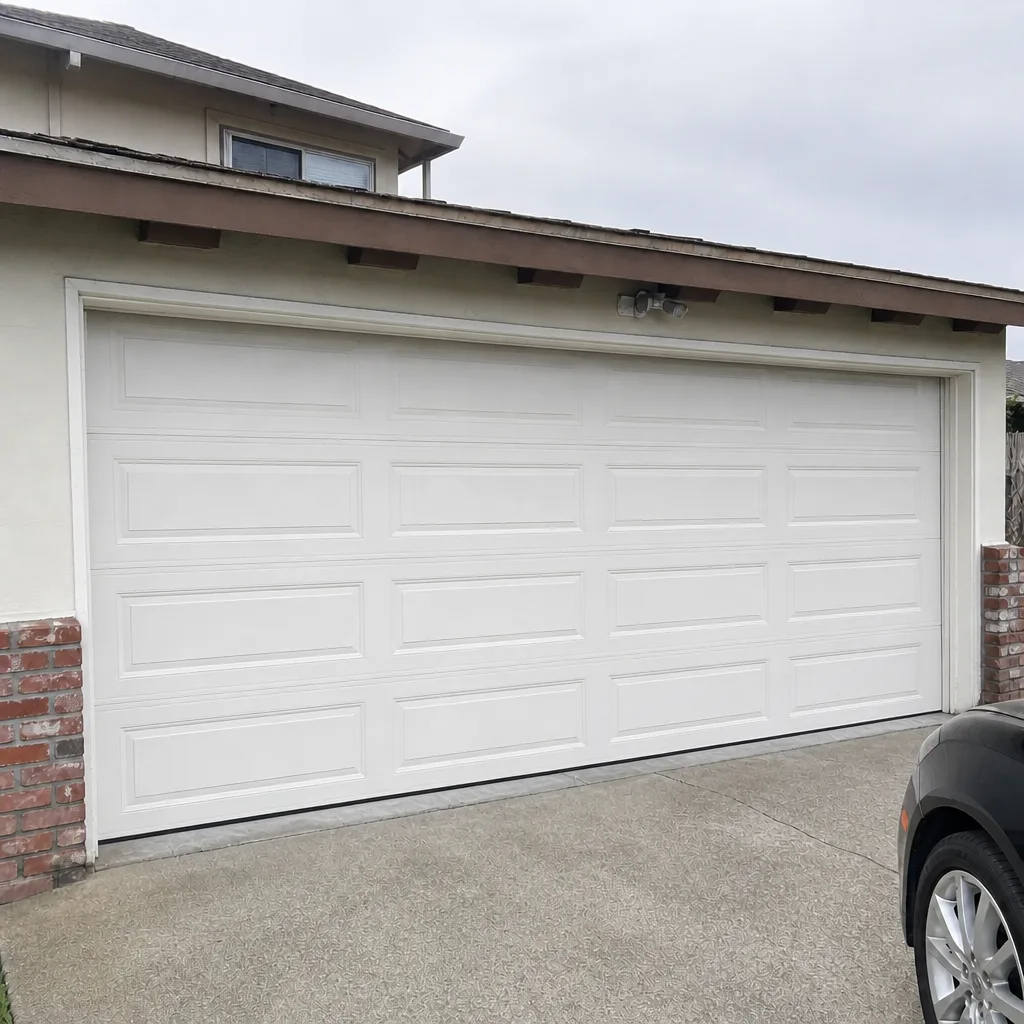
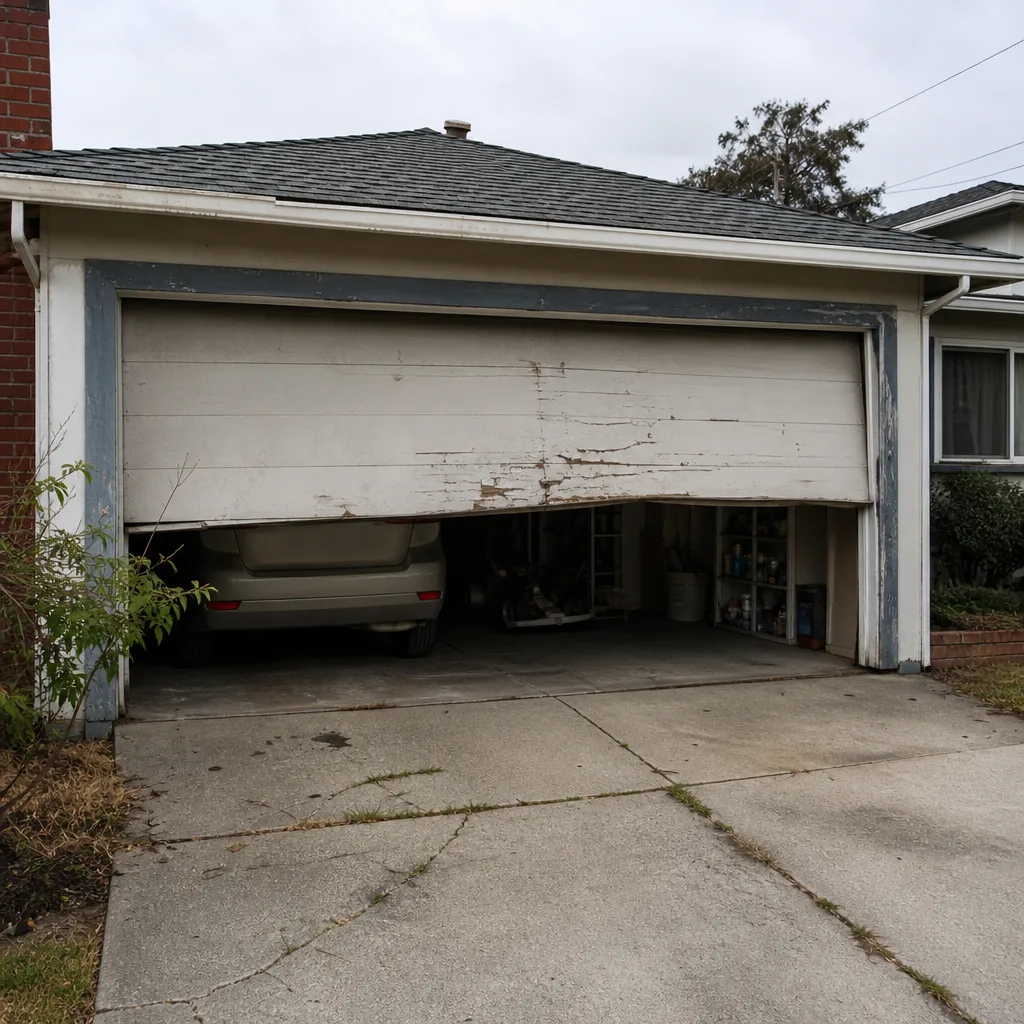
See the difference
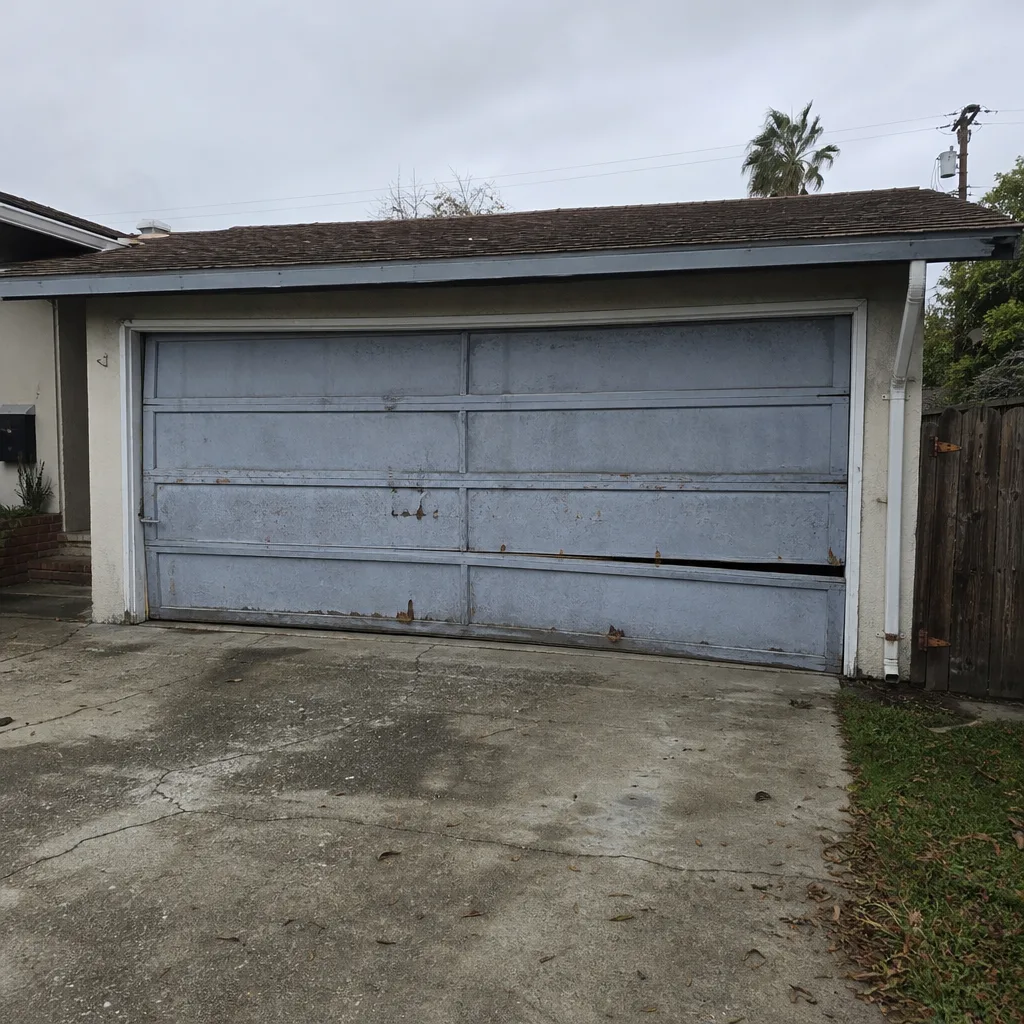 Before
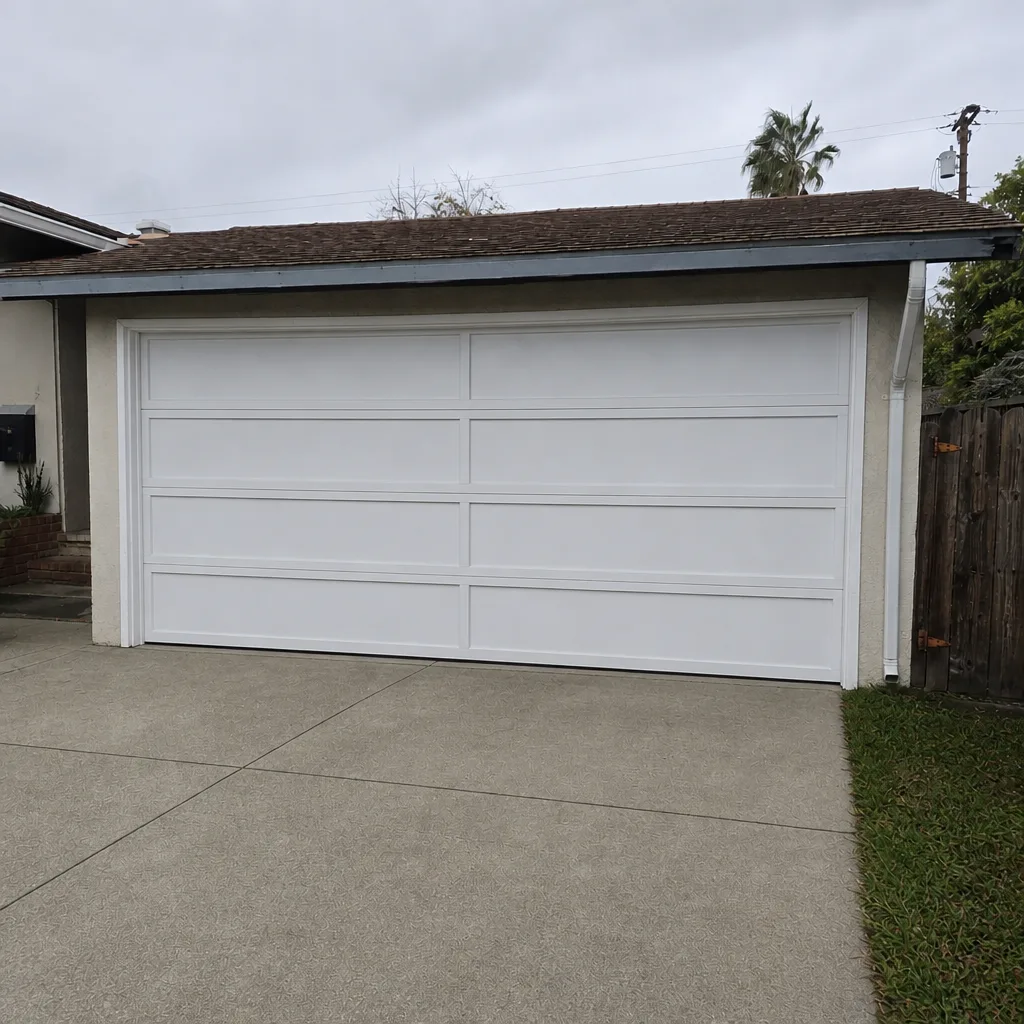 After
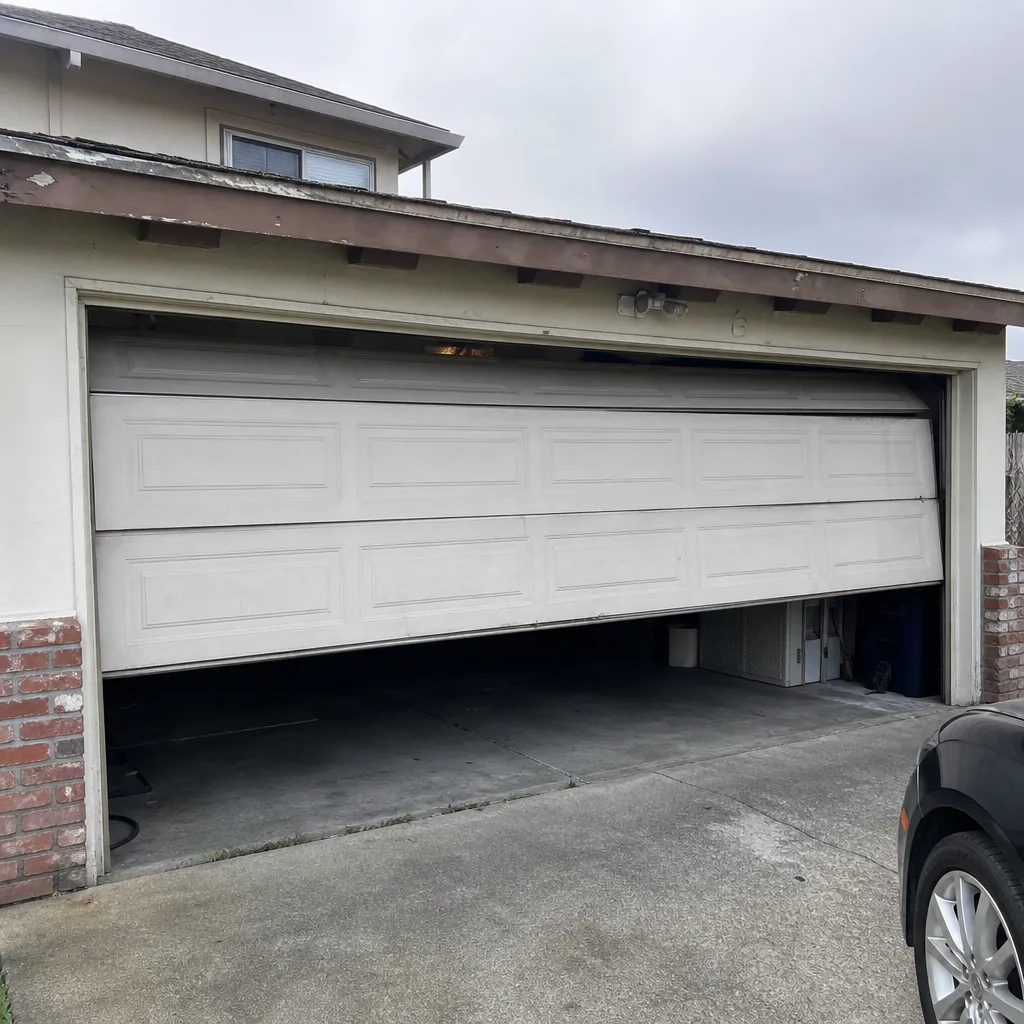 Before
 After
 Before
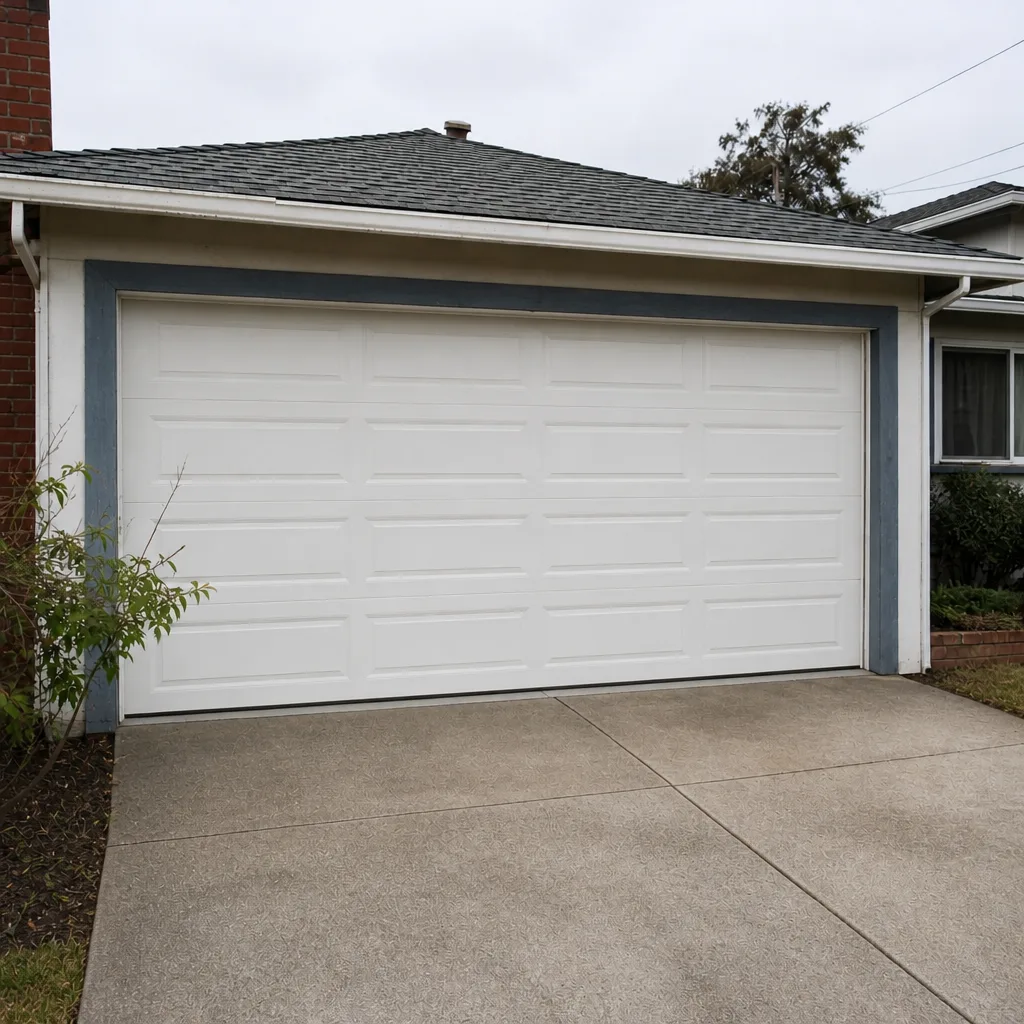 After
When to Call a Professional
Some garage door problems are maintenance items. Others are signs that a trained technician needs to look at the system. Call a professional if the door won’t lift, if you’ve heard a loud snap or bang from the garage, if the door is visibly crooked or off its tracks, if the opener reverses on its own or won’t respond to the remote, if a spring looks stretched or has a gap in its coil, or if your Richmond garage has a persistent damp problem you can’t track down. In these cases, don’t run the opener repeatedly and don’t try to fix the door yourself, particularly around springs or cables. Silverline Garage Door Repair offers free estimates in Richmond, and we can work with your existing brand and system. Call (833) 519-3675 to book a visit.
Frequently Asked Questions
Twice a year, timed to the weather. Do a full inspection and lubrication pass in April, as fog season moves in, and a sealing and tightening pass in October, before the wet season starts. That’s all a well-maintained residential door generally needs, and it’s a better fit for Richmond than a standard spring and fall schedule.
Yes. From May through September, fog carries moisture and salt residue that settle on the spring system, tracks, and hinges. That’s five months of slow wear, and it’s the reason we suggest a spring and track check in April rather than later in the year. A damp cloth and a re-lubrication go a long way.
Intermittent opener behavior is often a moisture problem, not a remote problem. An uninsulated garage in an older Richmond neighborhood can stay cool enough that condensation builds on the opener housing and the circuit board over the wet months. A technician can test the board and wiring directly instead of swapping parts. Call (833) 519-3675 for a free estimate.
No. Torsion springs and the cables attached to them are under high tension, and adjusting them is the leading cause of serious garage door injuries. This is one job that should always go to a trained technician. Everything around the spring, including cleaning and inspecting, is fine to do yourself, but not the spring itself.
Focus on the bottom seal, the side and top weatherstripping, and the finish on any wood panels, especially the bottom edge. Also tighten any loose hinges and bolts. Richmond rain arrives at an angle, so the side and top strips are doing as much work as the bottom one, and they need to be intact before November.
It can be. An uninsulated garage in Eastshore, the Iron Triangle, or other older Richmond neighborhoods gets cold enough in the fog months for moisture to condense on the door and opener. Running a dehumidifier and keeping the garage ventilated helps. If your opener keeps acting up, have the board looked at before assuming it needs replacement.
The Bottom Line
Richmond doesn’t run on four seasons, and your garage door care shouldn’t either. Treat the year as two stretches: a foggy May through September that quietly wears at your spring system and tracks, and a wet November through March that tests your seals and panel joints. Do your inspections in April and October, matching each to the season that follows. Keep the tracks and moving parts clean and lubricated, watch for moisture around the opener in older garages, and leave spring and cable work to a trained technician. If you want the whole calendar handled for you, or if something’s already gone wrong, call (833) 519-3675 for a free estimate.
Written by the team at Silverline Garage Door Repair, serving Richmond since 2012.