
Last updated November 14, 2026
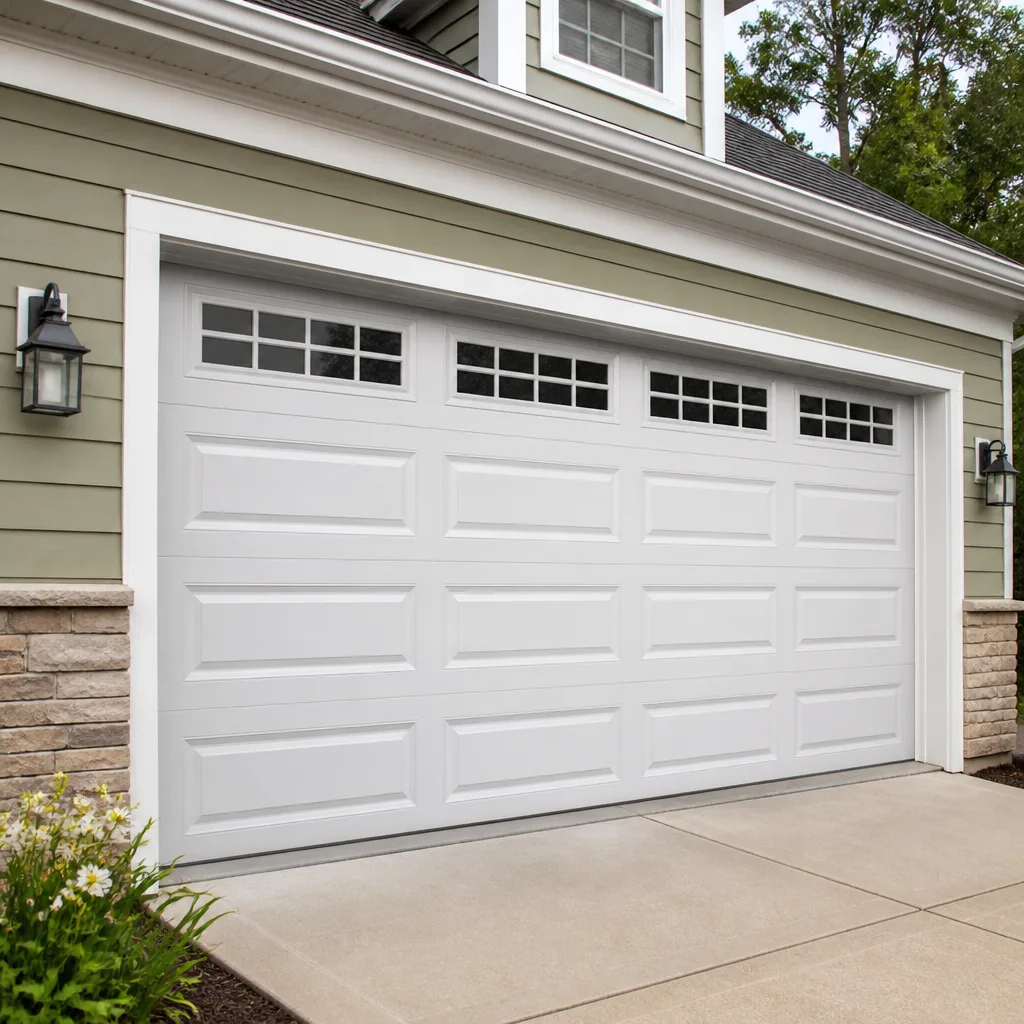 Raised-panel steel
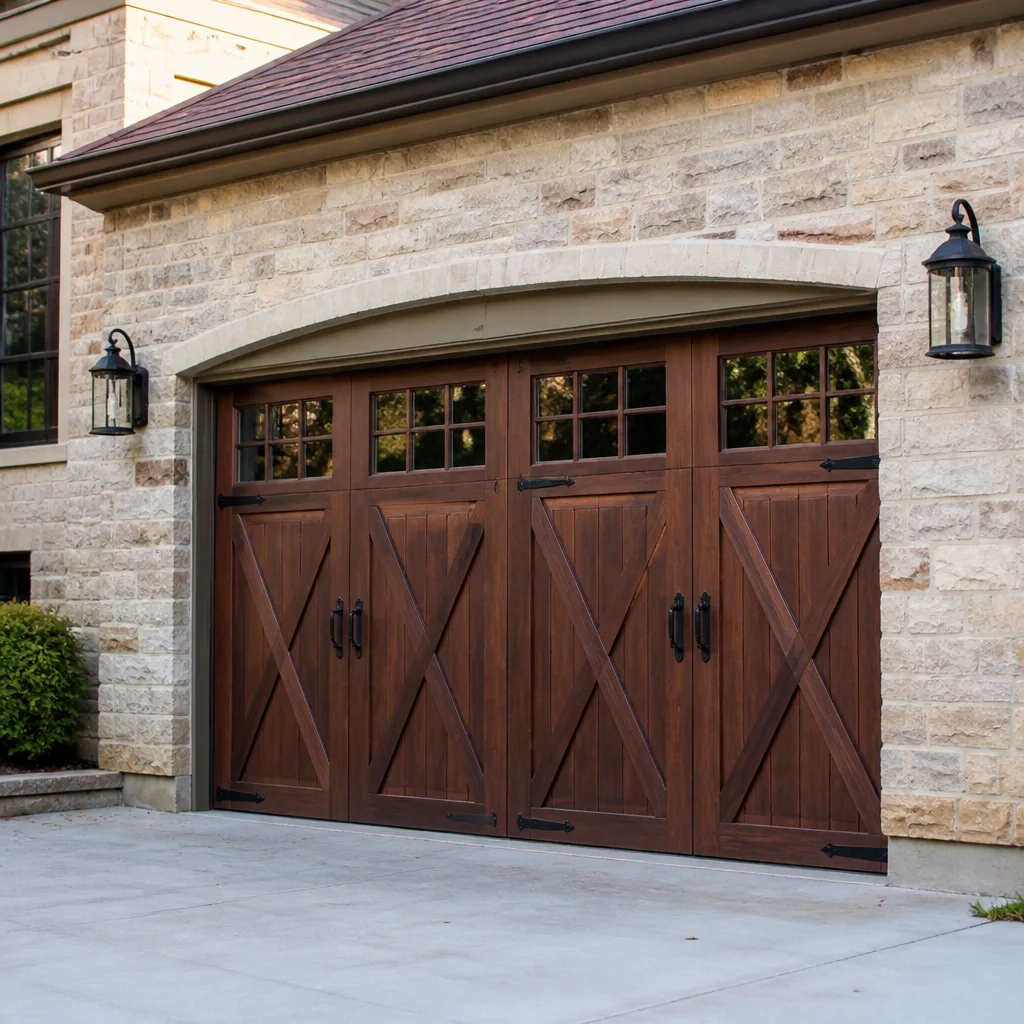 Carriage house
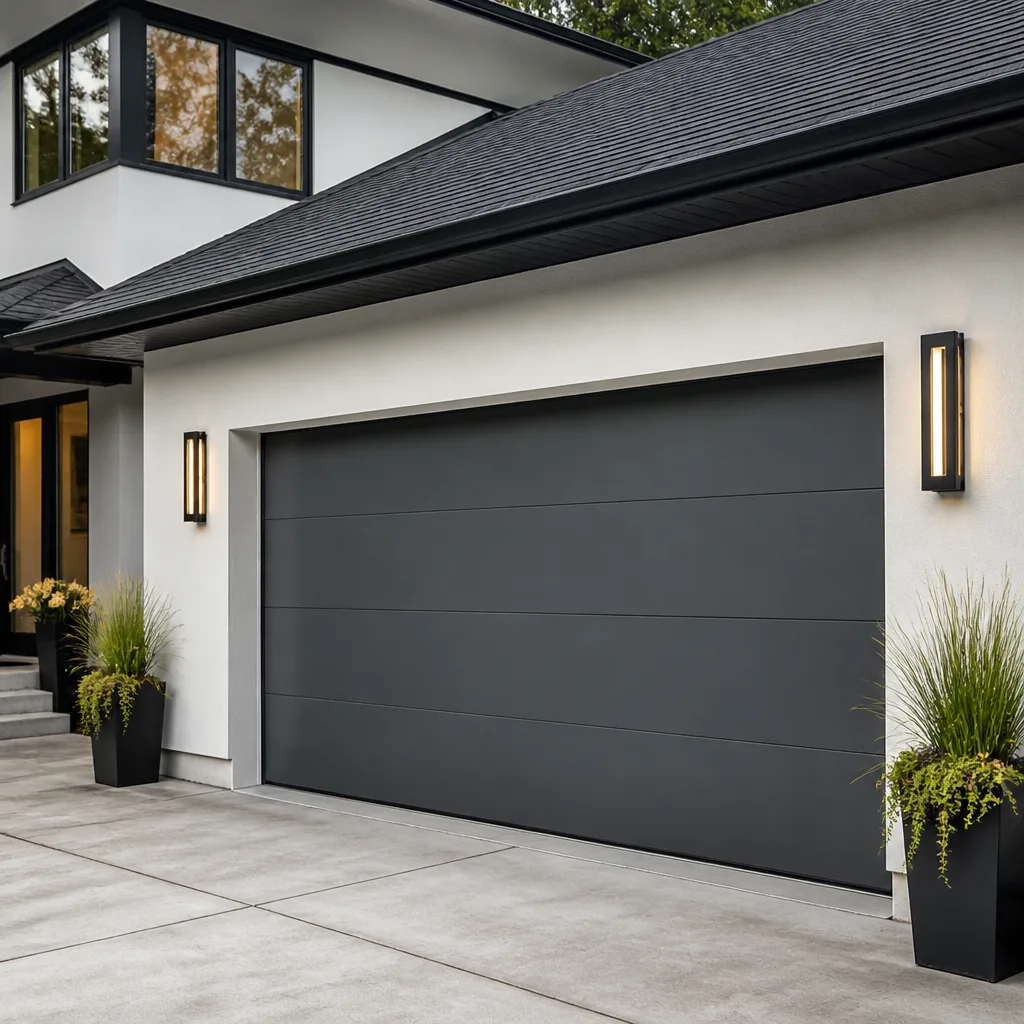 Modern flush
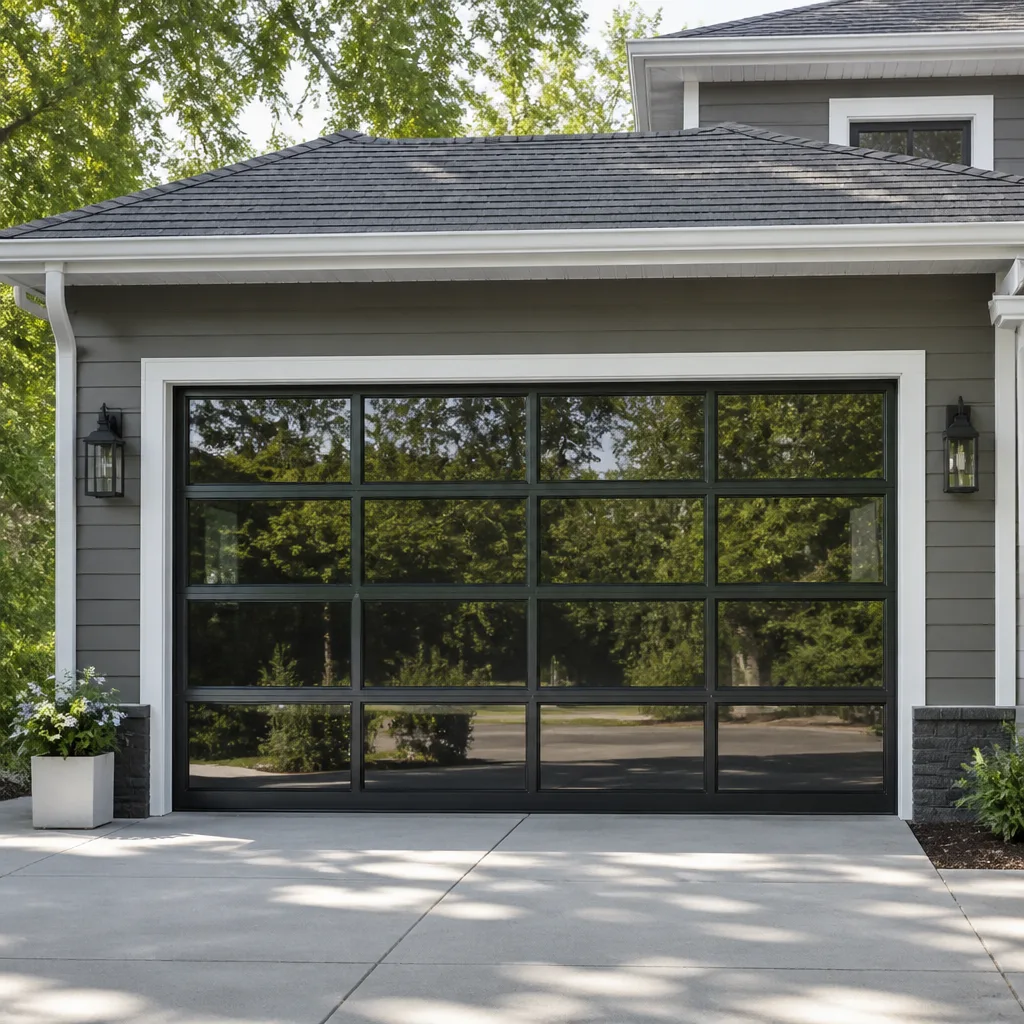 Full-view glass
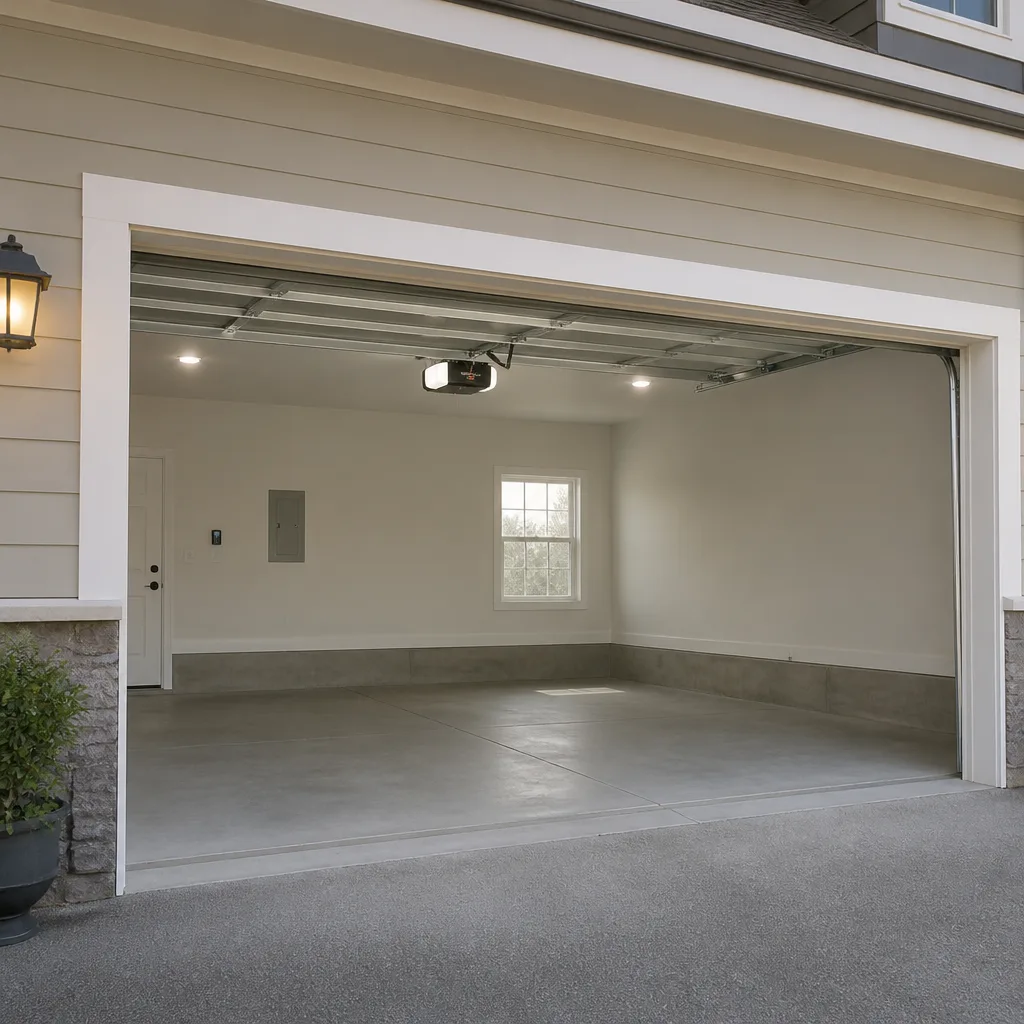 LiftMaster openers
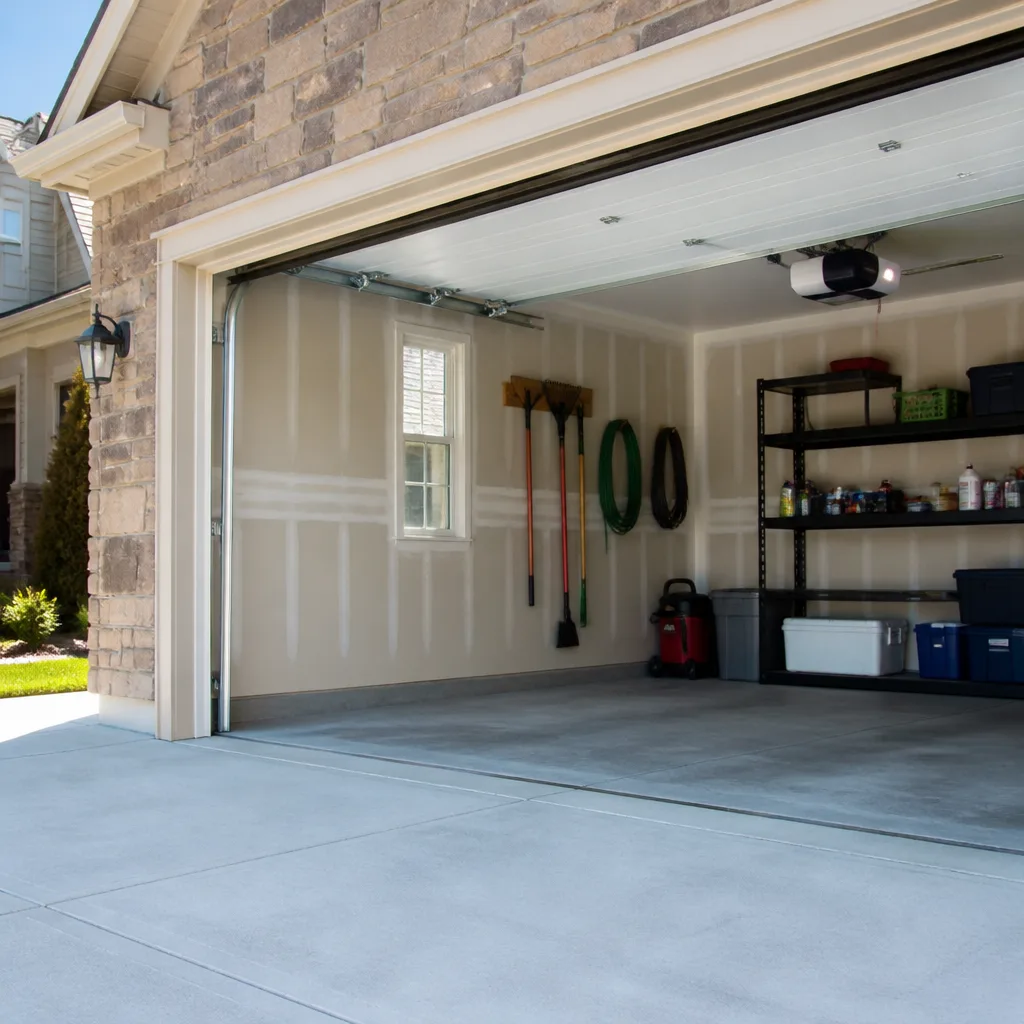 Chamberlain openers
Full 25-point door and opener safety check with every visit - springs, cables, rollers, tracks, and your LiftMaster or Chamberlain opener included
You get a price before we start. It does not change when the truck arrives.
Get your free estimateThe Complete Guide to Garage Doors in Richmond
Most garage door guides are written for places like Phoenix or Dallas. Richmond isn’t that. Here the air carries moisture off the Bay, the ground moves with the seasons, and the housing stock runs from 1940s ranch homes to newer builds on the Hilltop. That combination asks things of a garage door that a generic guide never covers. We’ve worked on doors across this city long enough to know the local failure patterns by heart, and this guide maps every decision a Richmond homeowner actually faces – panel material, spring type, opener choice, permits, and the measurements that trip people up before they buy. Read it once and you’ll know what to ask for.
Quick Answer
A garage door in Richmond needs hardware that can handle Bay-area moisture and near-constant mild temperatures, tracks and thresholds that stay aligned on shifting clay soil, and a door sized to the non-standard rough openings common in pre-1980 homes. Choose galvanized or coated steel for corrosion resistance, have the opening measured before you buy anything, and match replacement parts to your existing brand rather than swapping the whole system. In this guide we walk through materials, brands, permits, and the local conditions that shorten the life of a typical door in Richmond.
Styles & brands we work with
- Raised-panel steel
- Carriage house
- Modern flush
- Full-view glass
- LiftMaster openers
- Chamberlain openers
Table of Contents
- How Richmond’s Climate Affects Your Garage Door
- Choosing the Right Door Material for Richmond
- Clay Soil, Tracks, and Threshold Alignment
- The Eight Door and Opener Systems You’ll Find in Richmond Homes
- How to Read Your Rough Opening Before You Buy
- Permits: Contra Costa County vs. City of Richmond
- Springs and Openers: What Fails First Here
- When to Call a Professional
How Richmond’s Climate Affects Your Garage Door
Richmond sits in a microclimate that corrodes steel hardware faster than most inland Bay Area cities. The fog that lingers into the afternoon carries moisture from the Bay, and average temperatures that hover near 55°F year-round mean that moisture never fully dries off the way it would in a hotter climate. Metal stays damp longer. That’s the whole story behind most of the rust and seized parts we diagnose on doors in Richmond.
The mechanism at work is galvanic corrosion. When two different metals touch and moisture is present, the more reactive one gives up electrons and starts to break down. On a garage door that shows up at hinges, rollers, and the bottom brackets, which are often a different steel or alloy than the panels themselves. Once corrosion starts on a moving part, it eats the clearance the part needs to turn freely. A roller that should spin on its shaft starts to drag, and drag loads the opener.
Coatings that actually resist it
- Galvanized steel: a zinc layer that sacrifices itself before the base metal corrodes. The most reliable choice for Richmond’s damp air.
- Powder-coated steel: good durability, but any chip or scratch is a starting point for rust. Worth it if you inspect and touch up.
- Aluminum: won’t rust in the same way steel does, which is why it holds up well near the water on the Marina Bay side.
- Wood: looks right on many older Richmond homes but needs regular sealing to survive the humidity. Skip it unless you’ll keep up with the finish.
Stainless or coated hinges and nylon rollers make a measurable difference on a door that faces the fog. When we replace hardware, we match the metals so nothing new sets up a galvanic reaction with what’s already there.
Choosing the Right Door Material for Richmond
The material decision comes down to three factors: how close the house is to the Bay, how much maintenance you want to do, and how the door needs to look on your block. Richmond’s mix of home styles pulls in every direction. A 1950s ranch near Point Richmond may want a simple raised-panel steel door that blends in, while a newer house on the Hilltop might call for a carriage-style door in a different finish.
For most Richmond homes, galvanized or insulated steel is the practical default. It resists the humidity, it’s easy to find in the right sizes, and it holds up without much attention. Aluminum is worth a hard look for homes close to the water, where corrosion pressure is highest. Wood and wood-composite doors suit period homes but ask for annual sealing that many owners don’t keep up with, and once a wood door starts taking on water the panels can warp out of flat.
Insulation matters more for comfort than you’d think
An insulated door doesn’t just cut noise. On a Richmond home where the garage shares a wall with living space, an insulated door slows heat transfer and keeps the garage from swinging in temperature. Two-inch polyurethane panels insulate better than a single steel sheet with a thin backing. For a detached garage or one you only use for storage, the extra cost may not earn its keep.
Window inserts are another point to consider. Glass or polycarbonate inserts let light into a dark garage, but every insert is a weak spot in the door’s seal against damp air. If you go with windows, choose sealed units and check the gaskets now and then. From a broken spring to a full new installation, one call covers it, so you don’t have to line up separate contractors as your needs change.
Clay Soil, Tracks, and Threshold Alignment
Richmond’s clay-heavy soil expands when it’s wet and shrinks when it dries, and that movement shows up at the garage base. Around Point Richmond and Marina Bay, where the soil tends to hold water, we regularly see garage slabs and thresholds that have shifted a fraction of an inch out of level. That’s often enough to throw the bottom of the door out of square with the frame.
How to spot a soil-shift problem
- Look at the gap at the floor. A door that seats fully on one side and shows daylight on the other is out of alignment, not just weatherstripped badly.
- Watch the door travel. If it binds or rubs on one side as it rises, the vertical tracks may no longer be parallel.
- Check the threshold. A threshold that has cracked or tilted away from the slab signals ground movement.
- Listen on the way down. A door that slams or hesitates at the bottom line is often meeting a floor that isn’t flat anymore.
A misaligned door puts uneven wear on rollers and hinges, and it strains the opener on every cycle. The fix isn’t just to bend the tracks back. Tracks should be re-plumbed and re-aligned to the opening, and the bottom seal should be refit so the door seats evenly. When the soil keeps moving, a self-adjusting bottom seal can close the gap without fighting the floor. This is exactly the kind of problem a Phoenix-climate guide won’t mention, because their soil doesn’t behave this way.
The Eight Door and Opener Systems You’ll Find in Richmond Homes
Walk through Richmond’s neighborhoods and the garage door hardware falls into a fairly predictable set of brands. Knowing which system is in your home tells you what to expect when it starts acting up. Silverline is trained on eight of the most widely installed residential door and opener brands: LiftMaster, Chamberlain, Genie, Clopay, Amarr, Wayne Dalton, Craftsman, and Raynor. That matters because a generalist tends to guess at the equipment. We diagnose brand-specific failure points, not just symptoms.
Openers
- LiftMaster and Chamberlain: closely related systems, including the smart-home integrated models. When the Wi-Fi or myQ connection drops, the cause is usually in the wall control or the logic board, not the motor.
- Genie: common in homes built or updated in the ’90s and 2000s. Belt and screw drives show up here; the failure points differ from a chain drive.
- Craftsman: the older chain drives are workhorses, but the safety sensors and travel limits are what tend to go first.
Doors
- Clopay and Amarr: widely found across home styles and price points, from simple steel panels to carriage style. Sizing and part availability are solid, which makes them a low-risk replacement.
- Wayne Dalton: some models use a torsion spring setup that differs from a standard door, so a technician needs to know the specific model before ordering parts.
- Raynor: solid builders’ doors, often seen on older homes. Matching hinges and rollers to the existing hardware keeps a repair from creating a new problem.
Opener repair is a specialty, not a side service. Whether your system is a LiftMaster smart opener or an older Craftsman chain drive, the right fix starts with knowing the brand. Our team writes about these systems on our garage door opener repair page, and we can talk you through your setup over the phone.
How to Read Your Rough Opening Before You Buy
Before you order any door, measure the rough opening. This is the single step where Richmond homeowners get burned, because pre-1980 construction in this city doesn’t follow today’s standard widths. A garage built in 1955 may be a few inches off from a nominal 16-foot or 8-foot opening, and a door ordered to the “correct” standard size won’t fit. Measure the opening yourself, once, before money changes hands.
Steps to measure your opening
- Measure the width in three places: across the top, the middle, and the bottom. Use the smallest number.
- Measure the height in three places: left, center, and right. Again, use the smallest number.
- Measure the headroom: the distance from the top of the opening to the ceiling. Torsion and opener types depend on this.
- Check the side room and backroom: the space beside the opening for the tracks and the space behind for the door to travel.
- Look for obstructions: a low beam, a water heater, or a step can all decide which door and opener you can use.
If you’re not sure, get the measurement verified before you buy. An installer who measures in person will catch a non-standard opening that no catalog can. That’s part of what a free measure means. Our garage door repair page covers how we assess an opening, and you can always call us to confirm the numbers.
Permits: Contra Costa County vs. City of Richmond
Permit requirements depend on your property’s location and on what you’re doing. Replacement of a door in kind and new installation can fall under different rules, and who reviews the permit depends on where the home sits. A home inside the City of Richmond is under the city’s building department. Addresses in unincorporated parts of Contra Costa County go through the county. Don’t assume the rules match across the line.
The safe way to handle this: call your city’s building department or the county and describe exactly what you’re planning. Ask whether your project needs a permit, and if so, whether it’s a replacement of an existing door or a new installation in a new opening. Those two often have different review paths. A door swapped for a same-size door is one thing; a door added to a wall that didn’t have one is another.
Questions to have ready when you call
- Is this a same-size replacement or a new opening?
- Will the door change the size of the opening or the header above it?
- Does an opener installation need a separate electrical permit?
- Does the job need an inspection once it’s done?
We don’t give legal or code advice, and local requirements can change. What we can do is tell you what our part of the installation involves so you know what to describe when you ask. The building department is the authority; ask them, and get the answer in writing if you can.
Springs and Openers: What Fails First Here
The two things most likely to stop a Richmond door are the springs and the opener. Local moisture speeds up corrosion on spring hardware and hinges, and it also wears the moving parts of an opener faster than you’d expect. Springs carry enormous tension, and a door with a failing spring is genuinely dangerous to handle. A trained technician should verify the spring type, cycle count, and balance before anything is adjusted. We don’t recommend a do-it-yourself spring replacement here, and no honest guide should.
Torsion springs are the standard on most newer doors and mount above the door on a shaft. Extension springs sit along the sides and are more common on older homes. When one fails, replace the set. If your door uses a matched pair, a pair costs roughly twice the price of one spring, and replacing both keeps the lift balanced. A tech matches the spring to your door’s weight and brand; a spring ordered to the wrong spec won’t hold the door safely.
Signs an opener is failing
- The door reverses or stops partway through travel.
- The opener strains or the belt or chain slips.
- Safety sensors trip even after you clear the path.
- The wall control or smart-home connection stops responding.
If the problem is the swing door or opener motor itself, we’ll tell you. Sometimes a part is all that’s needed; sometimes a failing unit warrants a replacement. We’ll match a new opener to your existing door and brand rather than pushing a full system swap. To learn more about the company, read our Silverline Garage Door Repair overview.
Common Mistakes to Avoid
- Ordering a door before measuring the opening. On Richmond’s pre-1980 homes, a nominal size can be a few inches off. Measure the opening first, every time.
- Ignoring rust on hinges and rollers. Richmond’s damp air will take a hinge from stiff to seized in a season. Replace coated hardware before it loads your opener.
- Assuming the rules in the city match the county. Permit requirements and review paths can differ between City of Richmond addresses and unincorporated Contra Costa County ones. Ask the right department for your address.
- Choosing wood on a home close to the water. Wood suits a period home, but the humidity will punish a finish that isn’t kept up. Choose a material you’ll maintain.
- Bending tracks back instead of re-plumbing them. When clay soil has shifted the frame, bent tracks need realignment, not a quick shove.
- Replacing one spring and leaving its partner. A matched pair replaced together keeps the lift balanced and avoids a second failure on a worn spring.
- Letting a generalist guess at your opener. A LiftMaster or Chamberlain smart system and an old Craftsman chain drive fail in different places. Start from the brand.
When to Call a Professional
Some jobs are fine for a homeowner with a wrench. Others are genuinely dangerous. Call a trained professional for anything involving springs and cables, for an opener that trips its safety sensors or moves erratically, for a door off its tracks, and for any commercial or residential door that won’t stay up on its own. Failing springs and tensioned cables can cause serious injury and should never be handled without training and the right tools. Also call when the door has structural damage or a track that’s clearly bent or loose. We can help with the full range of residential work, from a single part to a new installation, and we’re a phone call away. Silverline Garage Door Repair offers free estimates in Richmond – call (833) 519-3675. We answer 24/7. Fast dispatch from 7am to 7pm, Sunday through Friday. If you want the bigger picture on how we approach local service, our Richmond page is a good place to start.
Frequently Asked Questions
It depends on your address and on whether you’re replacing a same-size door or installing one in a new opening. Homes inside the City of Richmond are reviewed by the city’s building department; unincorporated addresses go through Contra Costa County. Call the department that covers your address, describe your project, and ask before you buy. Pricing is quoted and agreed before any work starts, so you’ll know the labor line before anything is scheduled.
Richmond’s Bay-side fog keeps metal damp, and the near-constant 55°F average means it doesn’t dry off quickly. That moisture drives galvanic corrosion on hinges, rollers, and spring hardware. Coated or galvanized components resist it far better than bare steel. If your hardware is already stiff or seizing, have a technician check it before the drag strains the opener. Call (833) 519-3675 for a free estimate.
In many cases, yes, when the right spring is available. We answer 24/7 and dispatch runs 7am to 7pm, Sunday through Friday, so a spring failure is worth a call right away. Springs should only be replaced by a trained technician because of the tension they hold. Call (833) 519-3675 and we’ll get you on the schedule. Estimates are free.
No – the written estimate sets the price, and nothing starts until you agree to it. When we arrive, we inspect the door, confirm the parts needed, and write it up before any work begins. If an unexpected problem turns up, you’ll hear about it first, not on the invoice. Call (833) 519-3675 for an exact quote – estimates are free.
We carry common parts for the brands we service, including LiftMaster, Chamberlain, Genie, and Clopay systems, so many repairs finish on the first visit. Less common parts or a specific spring spec may need to be matched and ordered. Either way, the price is quoted and agreed before work starts. Call (833) 519-3675 to ask about your door.
It can be, especially around Point Richmond and Marina Bay, where clay soil shifts with the seasons and moves the threshold and slab. Bent tracks also come from impact. The cause decides the fix: a soil-shifted frame needs re-plumbing, an impact-bent track needs replacing. Have it diagnosed before you bend anything back. Call (833) 519-3675 and we’ll take a look. Estimates are free.
The Bottom Line
Richmond’s fog, moist air, and shifting clay soil ask more of a garage door than most climates do. Choose galvanized or coated hardware that resists corrosion, measure your rough opening before you buy anything, and match parts to your existing brand instead of replacing the whole system. Springs and openers fail first here, and both are best handled by a trained technician. Handle the permit question with your city’s building department or Contra Costa County before work starts. Do those things and your door will hold up to the local conditions for years.
Contact Us
If your garage door needs attention, we can help. Silverline Garage Door Repair covers repair, opener repair, and new installation for Richmond homeowners, and we know the eight systems we service inside and out. Call (833) 519-3675 for a free estimate. We answer 24/7. Fast dispatch from 7am to 7pm, Sunday through Friday. Call outside dispatch hours and we’ll book you into the next opening. The written estimate sets the price, agreed before any work starts.
Written by the team at Silverline Garage Door Repair, serving Richmond since 2012.
See the difference
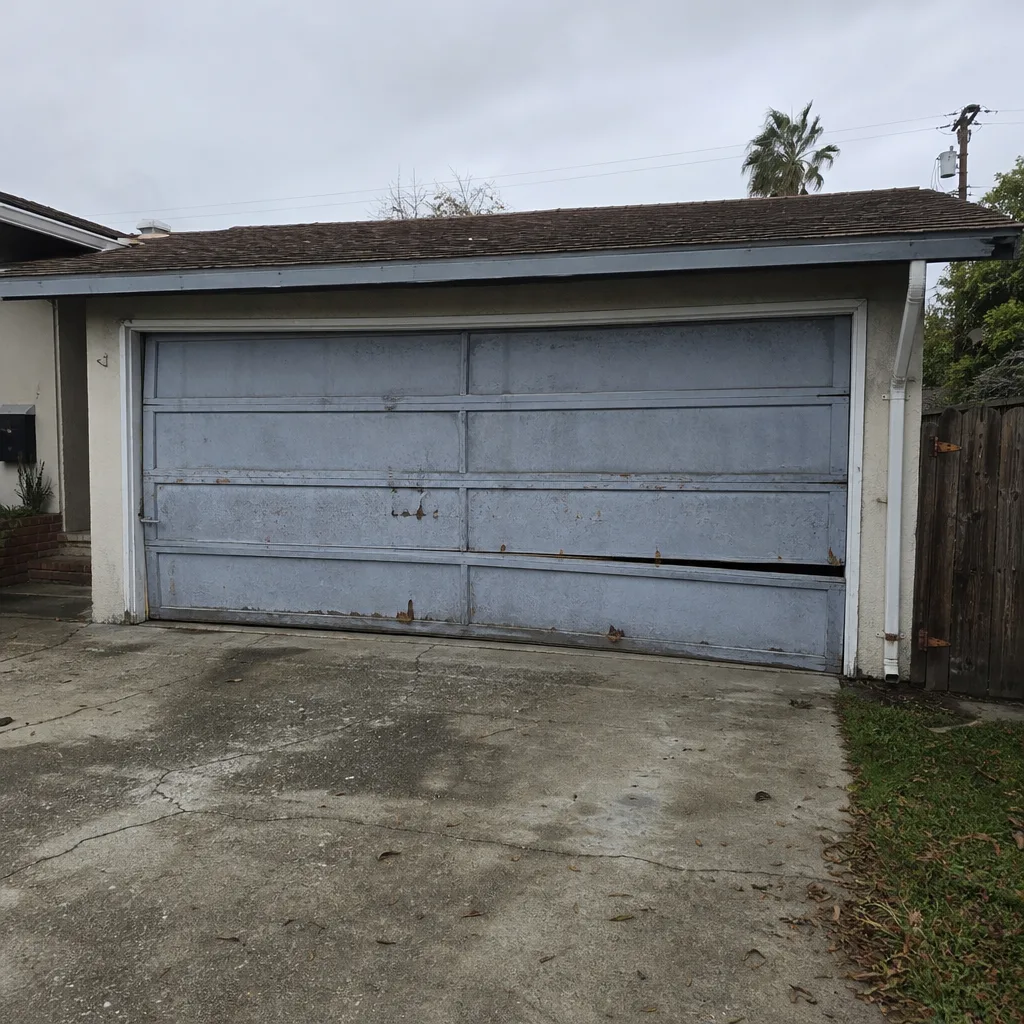 Before
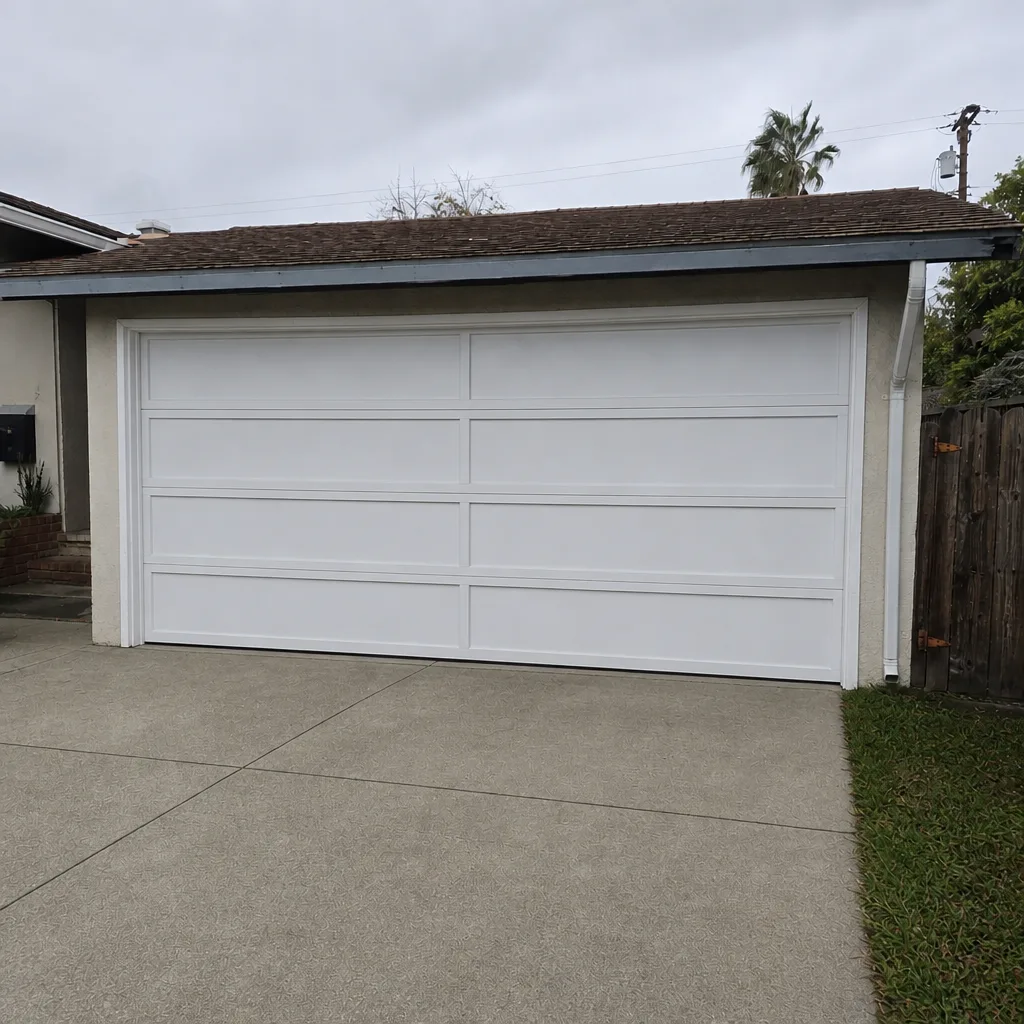 After
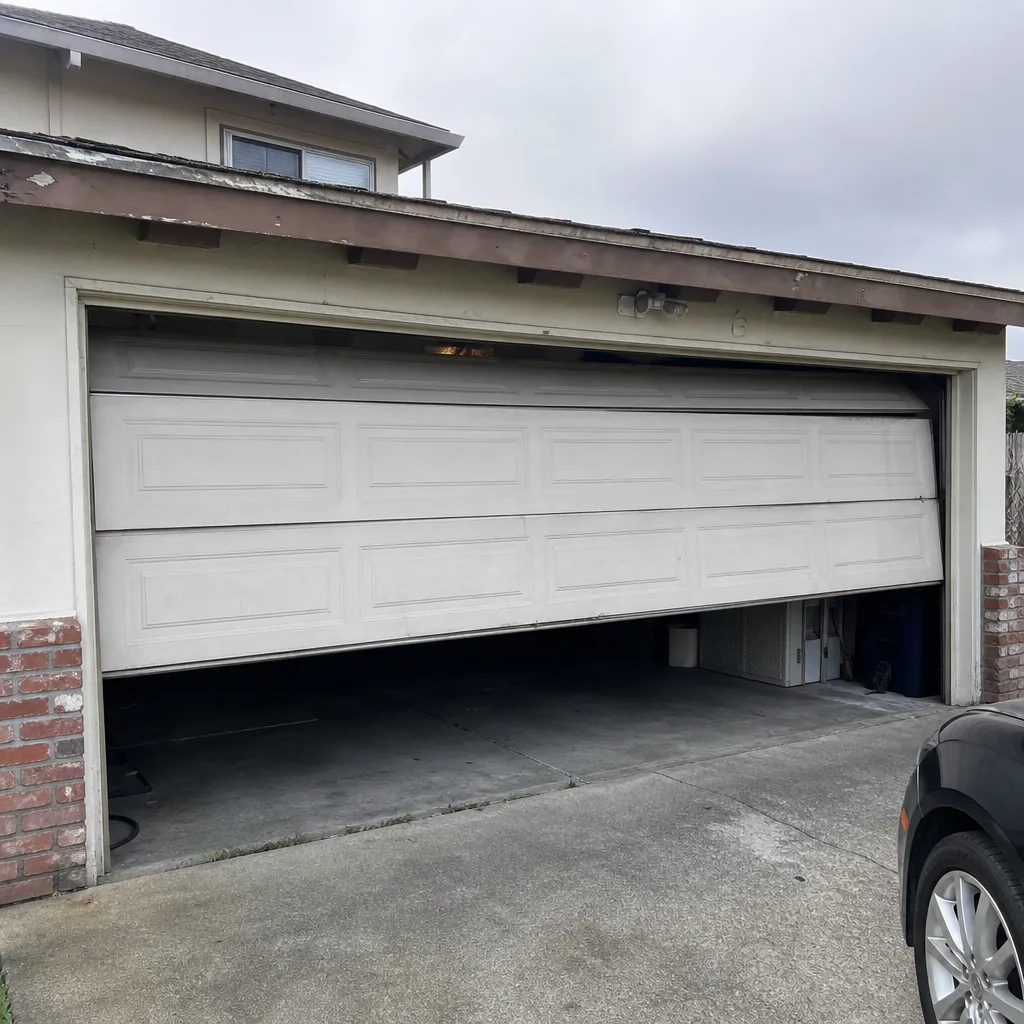 Before
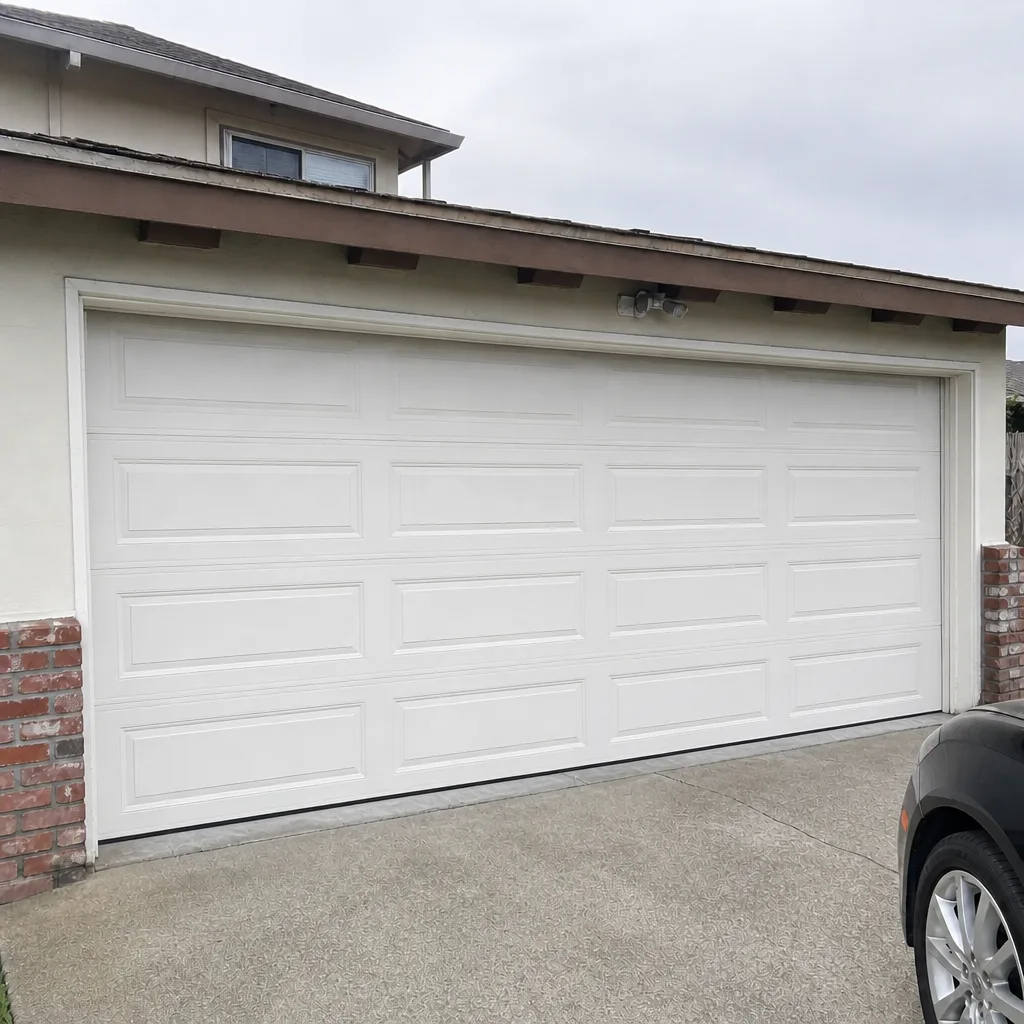 After
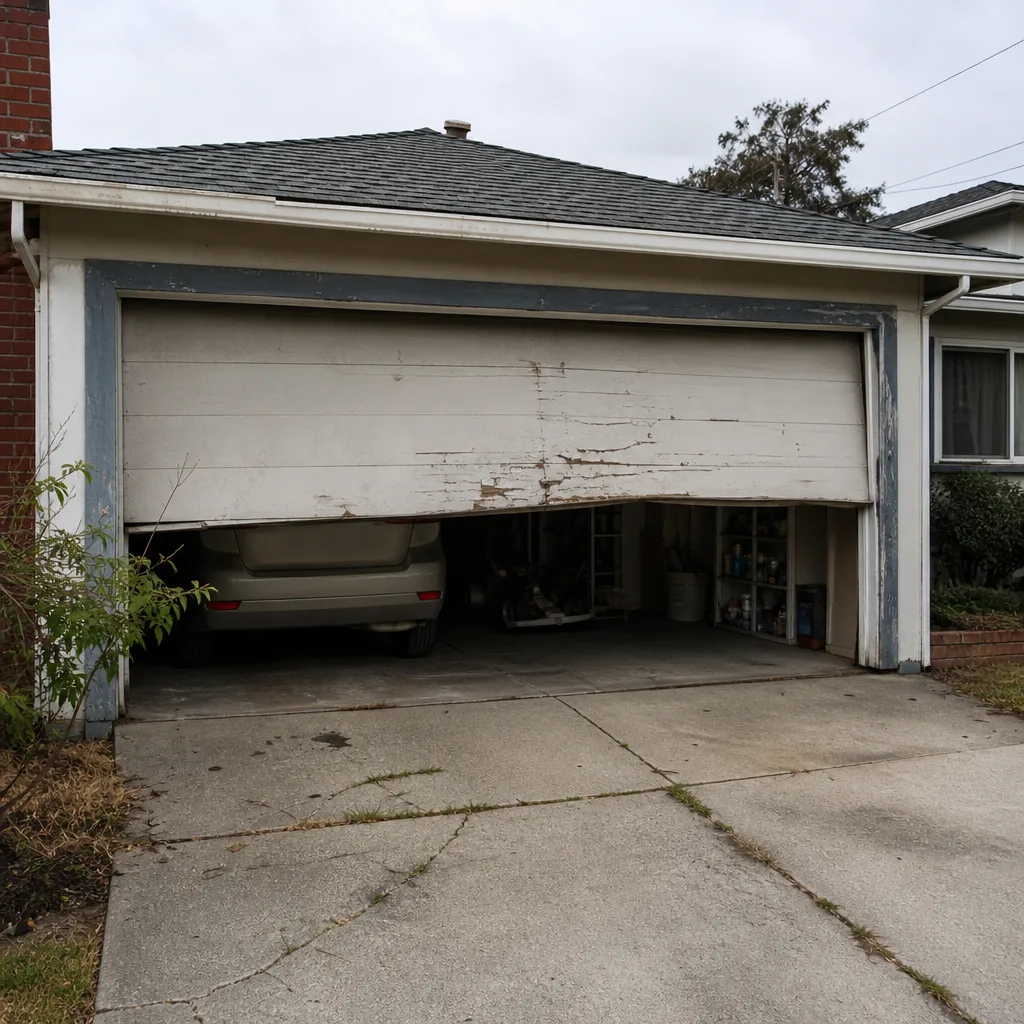 Before
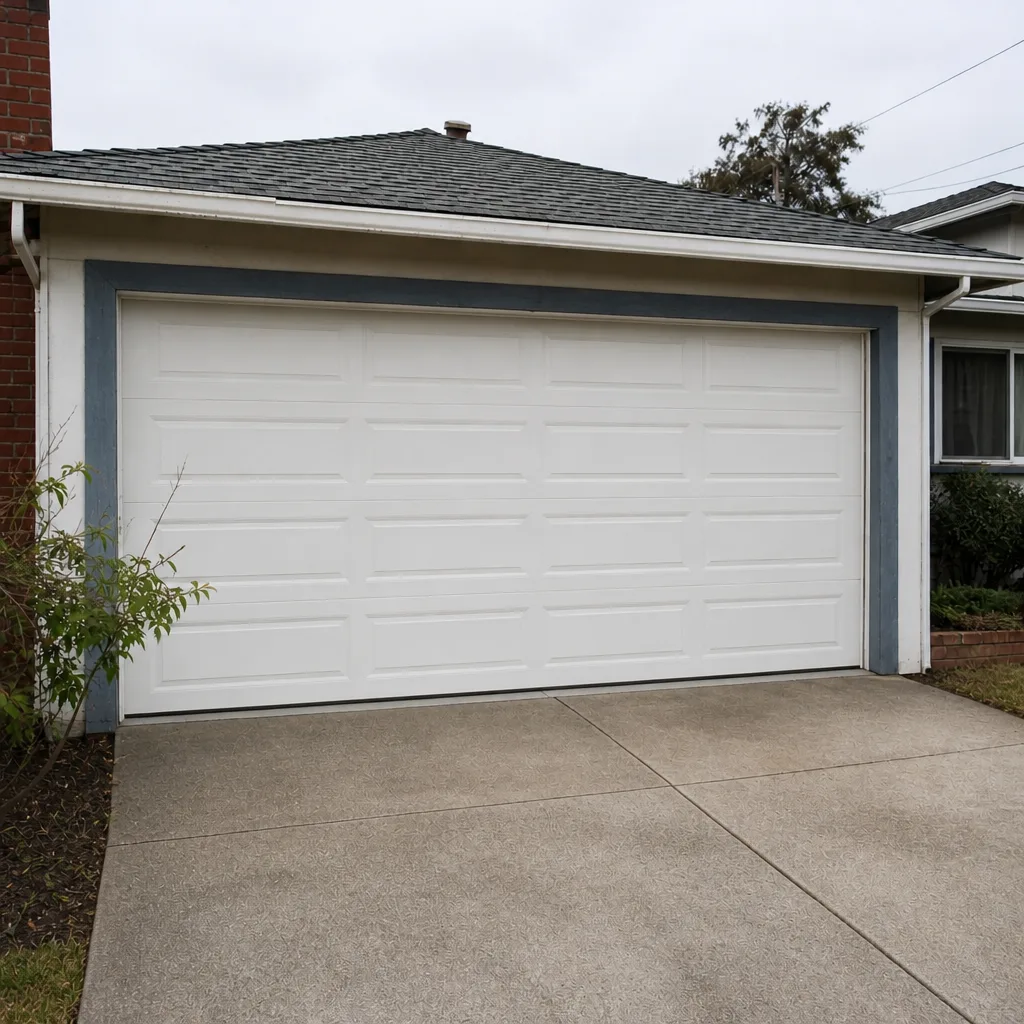 After